Invisible Threats, Visible Solutions — Corrosion-Free Water Systems
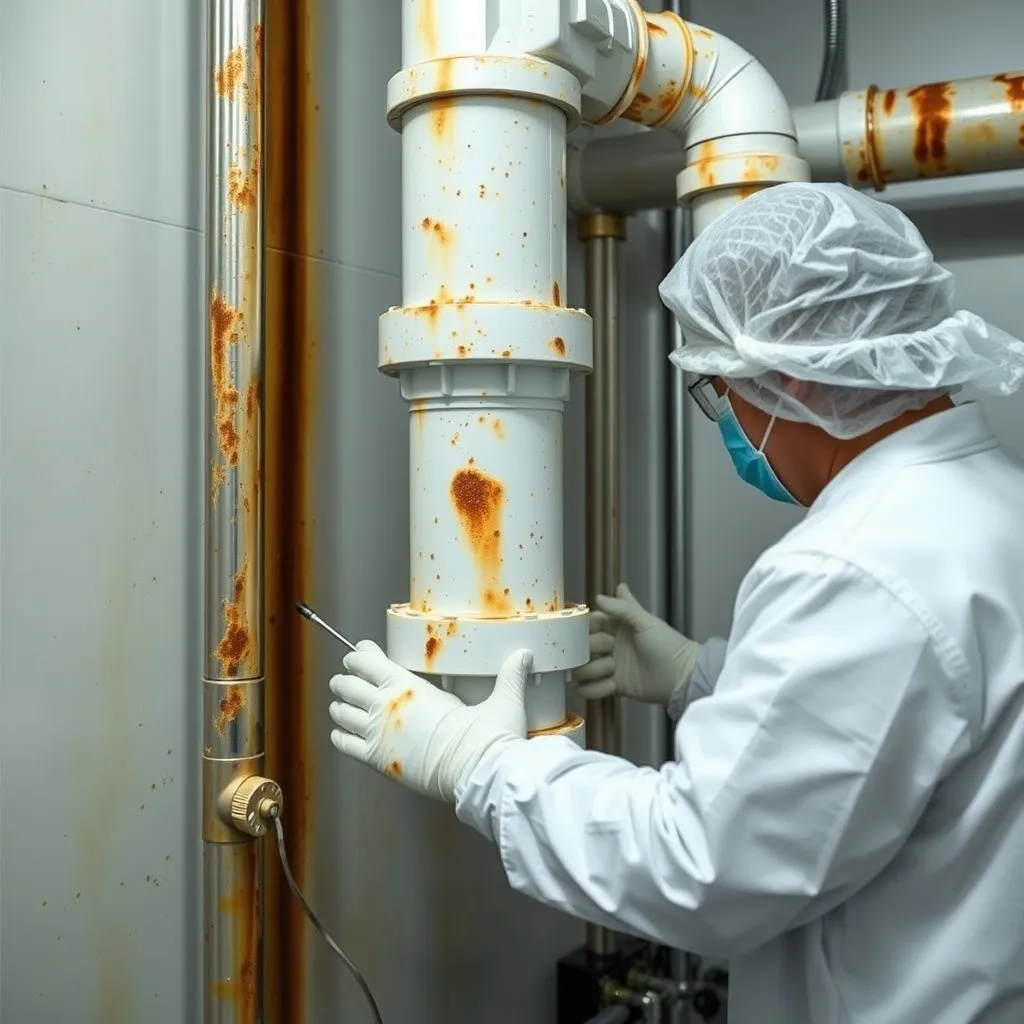
A leading pharmaceutical packaging facility located in Dandenong South, VIC, was facing a critical and mysterious issue: unexplained rust was forming within its closed-loop chilled water system. This corrosion not only posed a direct threat to HVAC system performance, but more importantly, it risked violating strict cleanroom compliance standards crucial for cosmetic-grade pharmaceutical packaging.
The facility had previously commissioned third-party water testing, but standard lab analyses failed to identify the root cause. Meanwhile, corrosion accelerated — leading to discoloration in pipes, elevated metal particle counts, and mounting concerns over the integrity of climate control systems essential to product quality.
Labsure conducted a comprehensive Ion Trace Analysis and discovered elevated chloride and copper ion levels, likely leaching from incompatible piping materials used in past facility upgrades. These aggressive ions were disrupting the delicate chemical balance of the chilled water loop.
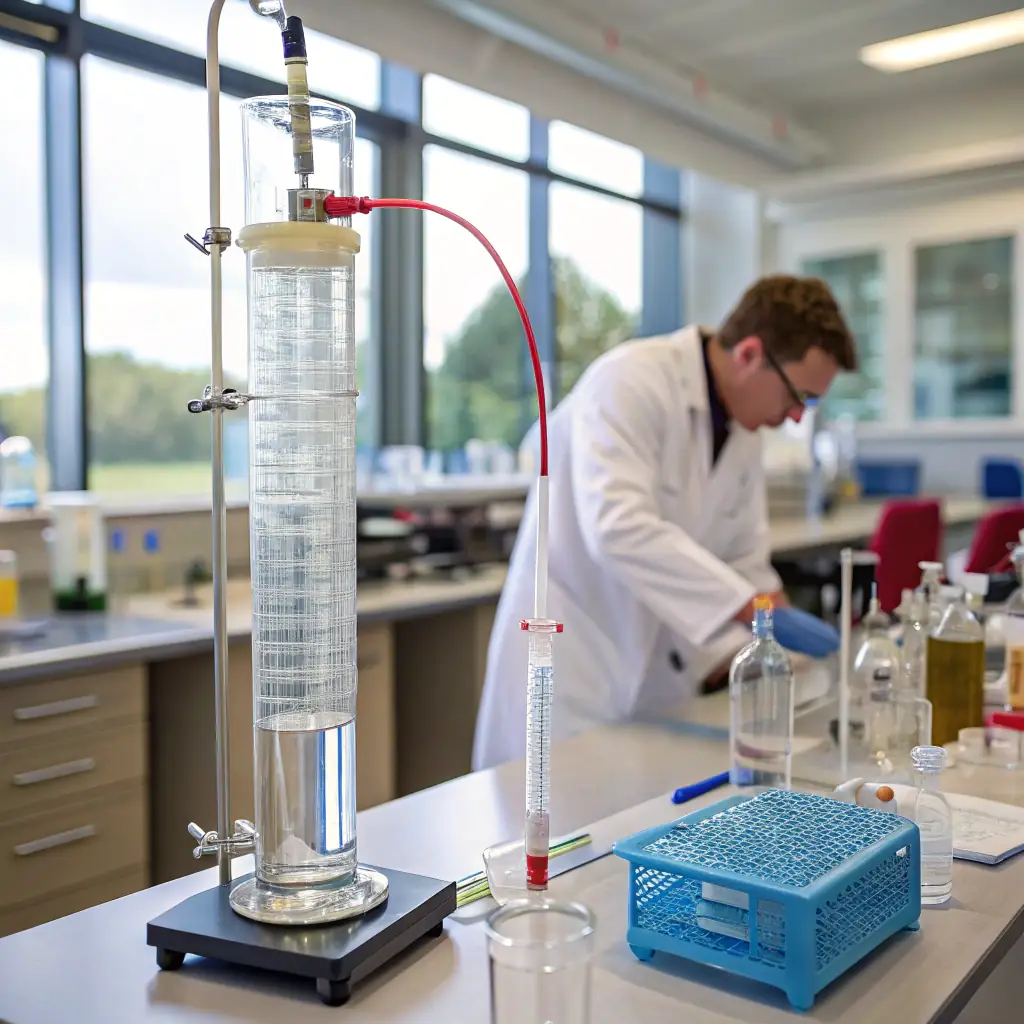
To address this, Labsure designed a custom inhibitor blend, specifically formulated for multi-metal compatibility while maintaining low toxicity — essential for operations adjacent to cleanroom environments. Additionally, an In-Situ Leak Check Protocol was implemented. This led to the identification of two key leaking valve joints, which were promptly replaced.
To ensure long-term system stability, Labsure provided onsite operator training and developed a precise dosing and monitoring schedule, empowering the client’s maintenance team to prevent future imbalances.
The result? A corrosion-free system, restored compliance, and significant savings.
Targeted Inhibitor Program for Cleanroom-Grade HVAC Systems
A tailored corrosion-inhibition solution was developed to safeguard a critical closed-loop water system operating under cleanroom conditions. Unlike generic treatments, this program accounted for unique metal profiles, ion interference, and facility-specific operational constraints — all while avoiding toxic additives.