Water Treatment Formulation Optimisation & Performance Analysis
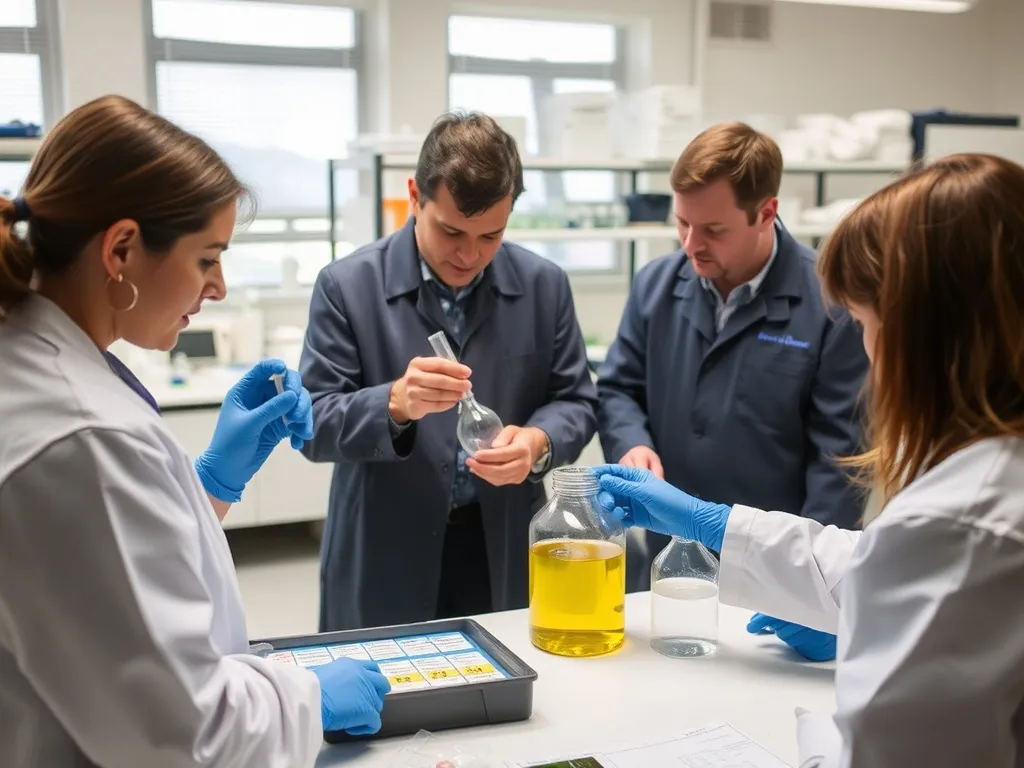
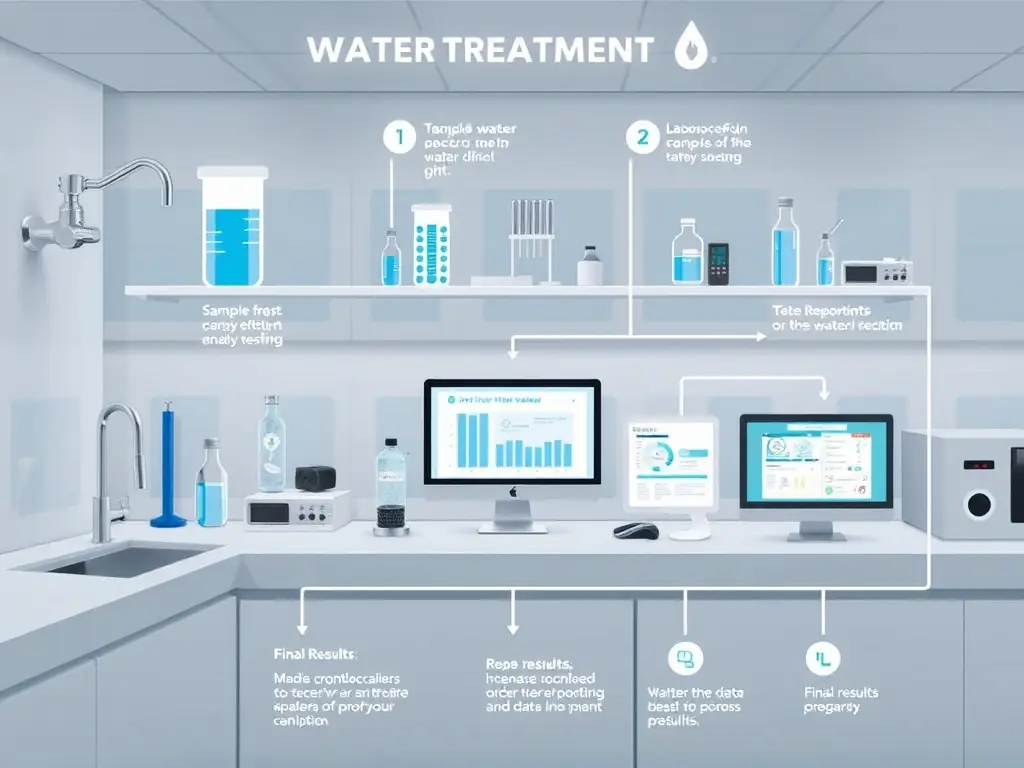
Reliable water treatment chemistry requires more than compliance — it demands stability under pressure. We support manufacturers and chemical suppliers with detailed compositional analysis and performance validation of inhibitors, dispersants and surfactant systems. From scaling and corrosion control to extreme-condition stability, we help you strengthen product durability, optimise dosing efficiency and benchmark competitive formulations for industrial, mining and infrastructure applications.
Scale & Corrosion Inhibitor Optimisation
Surfactant & Dispersant System Refinement
Stability Validation Under Extreme Conditions
Water Treatment Failure Analysis & Contaminant Profiling
When industrial water treatment programs underperform, the issue is rarely simple. We provide advanced compositional analysis and contaminant profiling to identify incompatibilities, hidden impurities, degradation products and biological interference affecting system stability. Our services support manufacturers and suppliers in diagnosing formulation failures, benchmarking competitor products and restoring performance in cooling towers, boilers and process water systems across Australia’s mineral-rich and high-temperature environments.
Sludge & Deposit Characterisation
Byproduct & Incompatibility Investigation
Microbial Interference & Biofilm Impact
Reverse Engineering & Water Treatment Performance Breakdowns
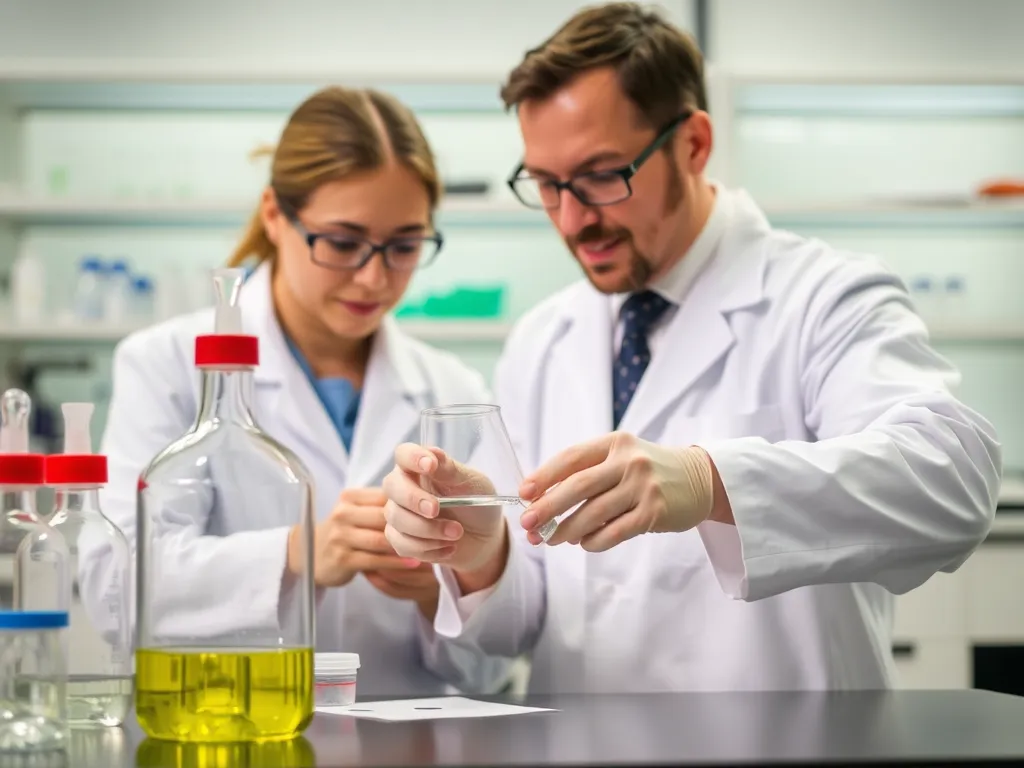
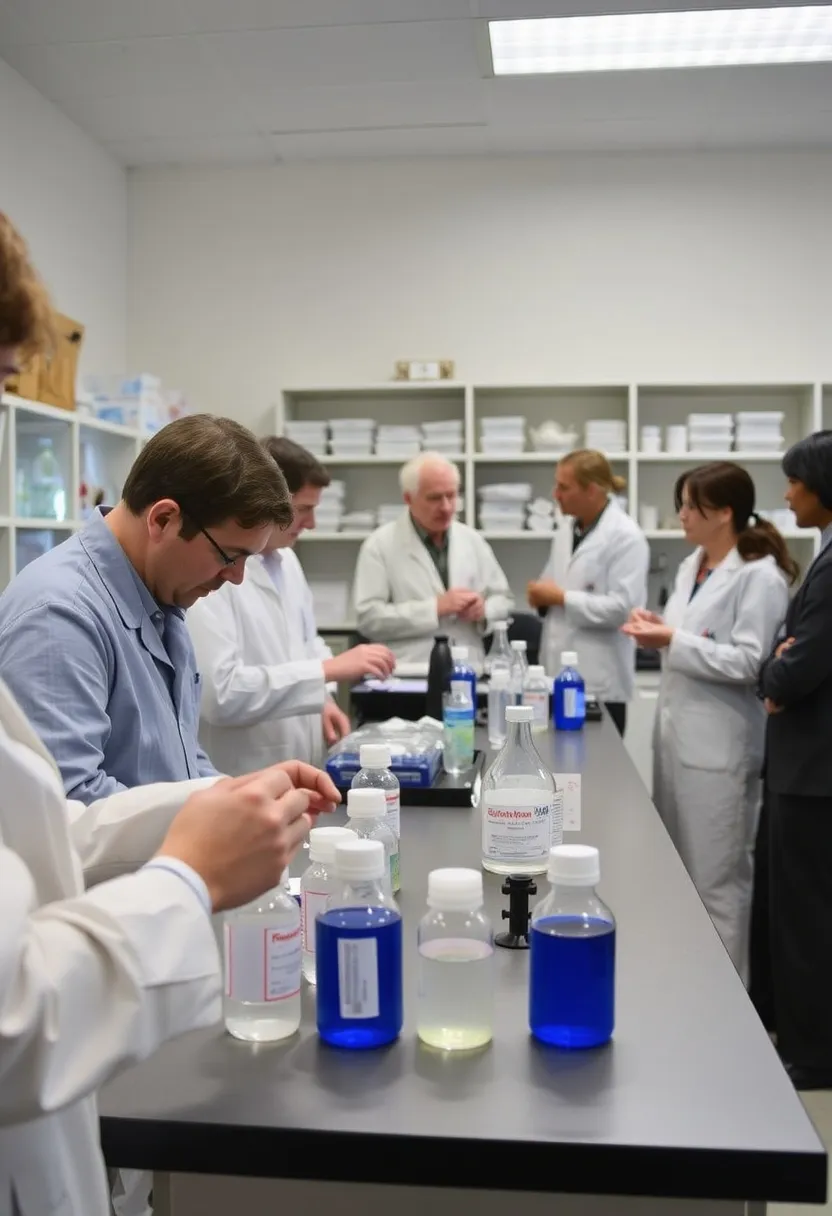
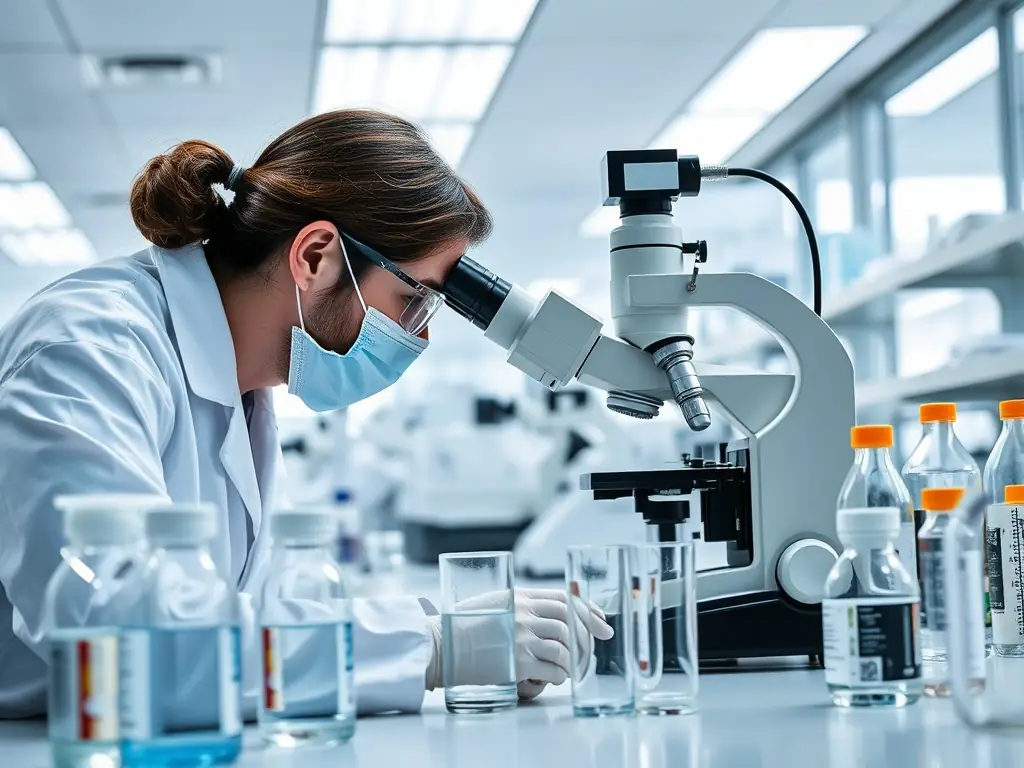
When imported inhibitors underperform, sludge forms unexpectedly, or dosing costs spiral, you need clarity — not guesswork. This gallery reflects real compositional analysis, failure diagnostics and formulation reverse engineering performed for Australian water treatment suppliers. From scale inhibitor benchmarking to byproduct identification and surfactant system optimisation, we decode complex water treatment chemistries to help you replicate, improve or stabilise high-value formulations in cooling towers, boilers and industrial process systems.
Our Expertise
Reverse Engineering in Action — Water Treatment Case Studies
When imported inhibitors fail in Australia’s mineral-rich water, when cooling towers scale faster than expected, or when biocide programs lose control, suppliers need technical clarity fast. Our case studies showcase real-world reverse engineering, contaminant profiling and formulation optimisation projects delivered for Australian water treatment companies.
From decoding competitor formulations to resolving sludge formation and corrosion instability, we help chemical suppliers restore performance, reduce claim risk and strengthen their position in cooling tower, boiler and wastewater markets.
Hard Water, No Hard Stops — Anti-Scaling That Works Without Shutdown
An industrial bakery in Wagga Wagga, NSW was battling severe scale buildup in its evaporative cooling tower. Scaling led to poor heat exchange, increased energy usage, and risks of biofilm development. The client had tried several off-the-shelf descalers, which either damaged metal parts or required system shutdown for application — both unacceptable for their 24/7 production.
- Water Chemistry Audit – Analyzed incoming water hardness and key ion ratios.
- Formulated Custom Chelating Agent – Non-corrosive and food-safe.
- In-Line Dosing Strategy – Continuous low-dose treatment with no downtime.
- Biofilm-Inhibiting Surfactants – Reduced microbial adhesion and improved energy efficiency.
Invisible Threats, Visible Solutions — Corrosion-Free Water Systems
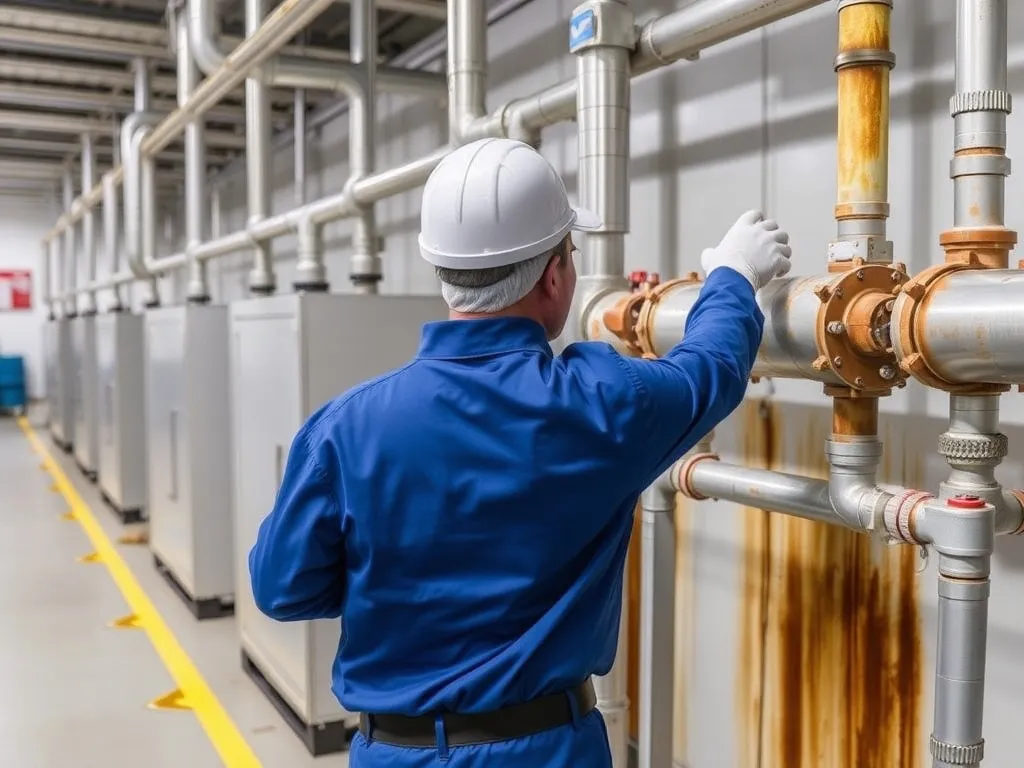
A pharmaceutical packaging facility in Dandenong South, VIC had unexplained rust formation in its closed-loop chilled water system. This threatened both HVAC efficiency and cleanroom compliance. Initial lab tests elsewhere had failed to isolate the cause.
- Ion Trace Analysis – Detected high chloride and copper ions from incompatible piping.
- Reformulated Inhibitor Blend – Targeted multi-metal system with low toxicity.
- In-Situ Leak Check Protocol – Identified and replaced two key leaking valve joints.
- Operator Training & Dosing Schedule – Prevented future imbalance and saved $40K/year in equipment costs.
From Waste to Water — Safe Irrigation Starts with Smarter Chemistry
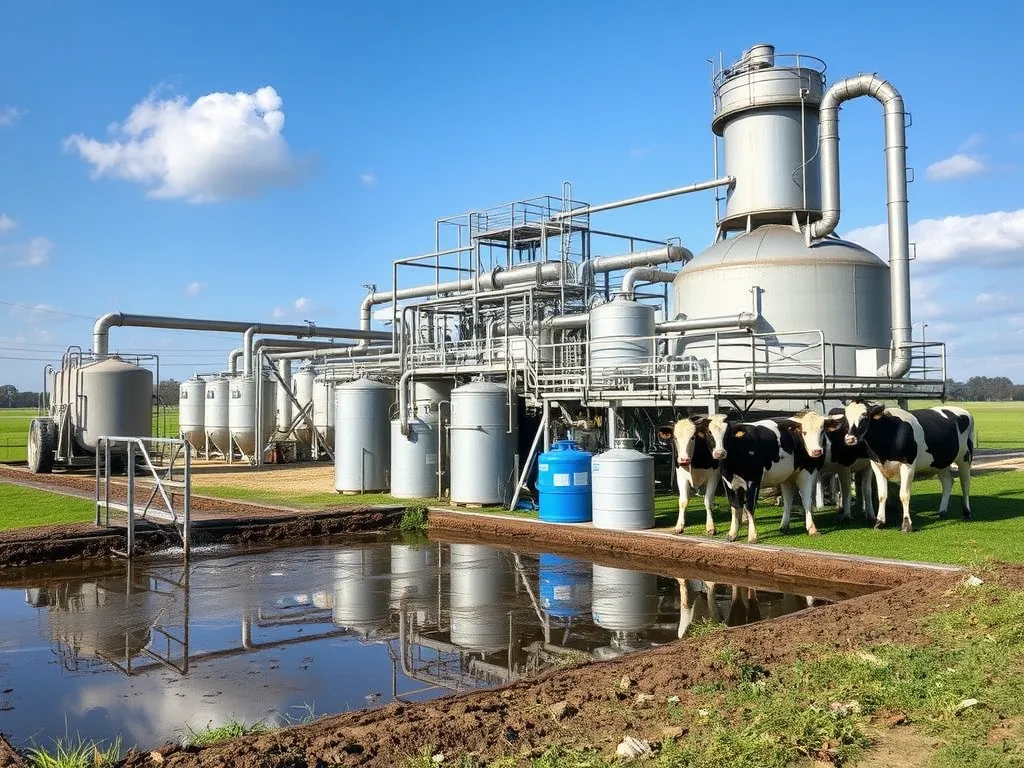
A dairy processor near Toowoomba, QLD needed to recycle greywater for nearby pasture irrigation, but failed E. coli and turbidity tests delayed approvals. They lacked the testing capability to pinpoint microbial persistence or optimize their disinfection stage.
- Biological Load Mapping – Identified biofilms as persistent microbial hotspots.
- Optimized Coagulation-Flocculation System – Improved solids removal and clarity.
- UV Dose Calibration – Matched dose curve to real-time water quality metrics.
- Regulatory Pathway Support – Delivered documentation for local EPA reuse approval within 4 weeks.