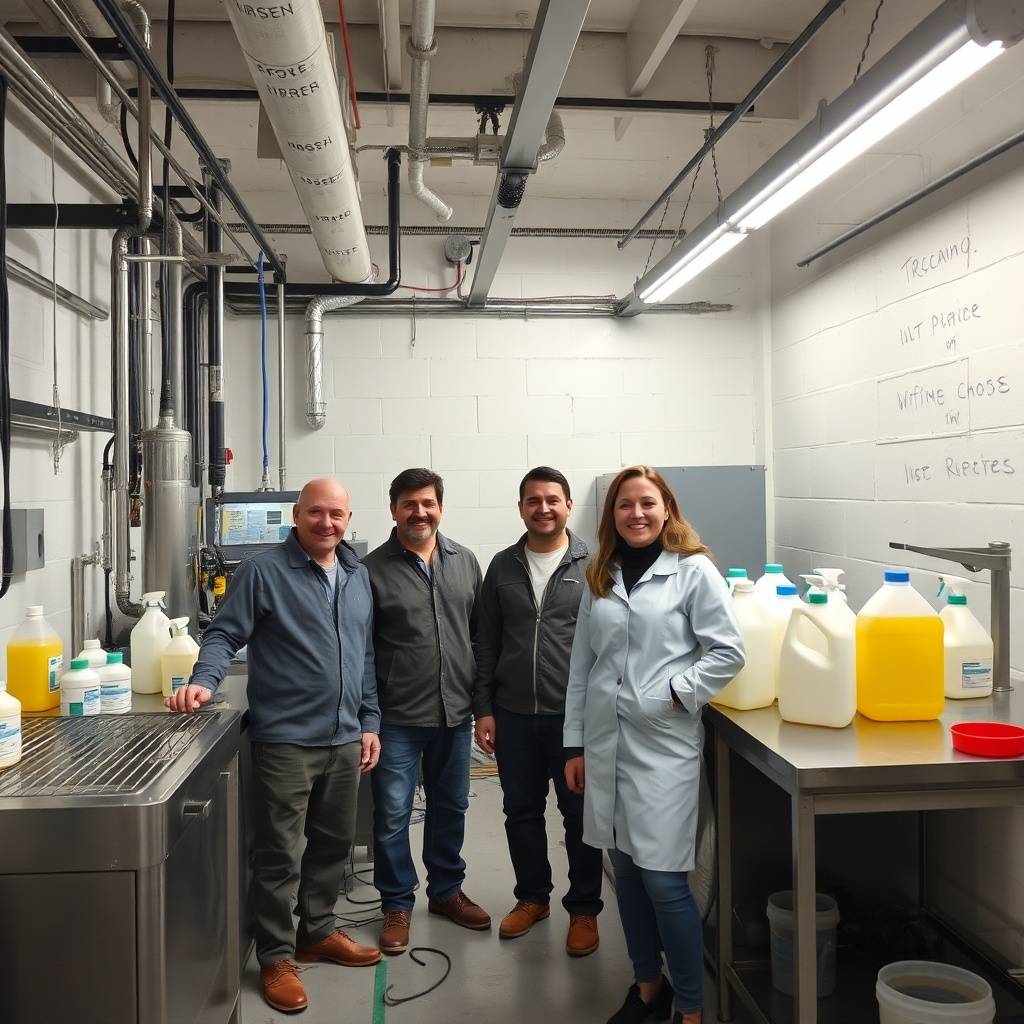
🌾 Introduction: The Foundation of Modern Agriculture (H2)
The modern agricultural landscape is defined by efficiency and precision. As global populations rise and arable land shrinks, farmers increasingly rely on specialized agricultural inputs—beyond standard fertilizers and pesticides—to maximize yield and sustainability. These inputs, often categorized as agricultural adjuvants and soil conditioners, play a pivotal role in enhancing the performance of primary treatments, improving soil health, and mitigating environmental stress.
The manufacture and import of these specialized products, however, presents unique challenges. The line between a highly effective, compliant product and one that is inconsistent or non-compliant is razor-thin. This is where formula analysis emerges, not just as a laboratory procedure, but as an indispensable business and regulatory imperative.
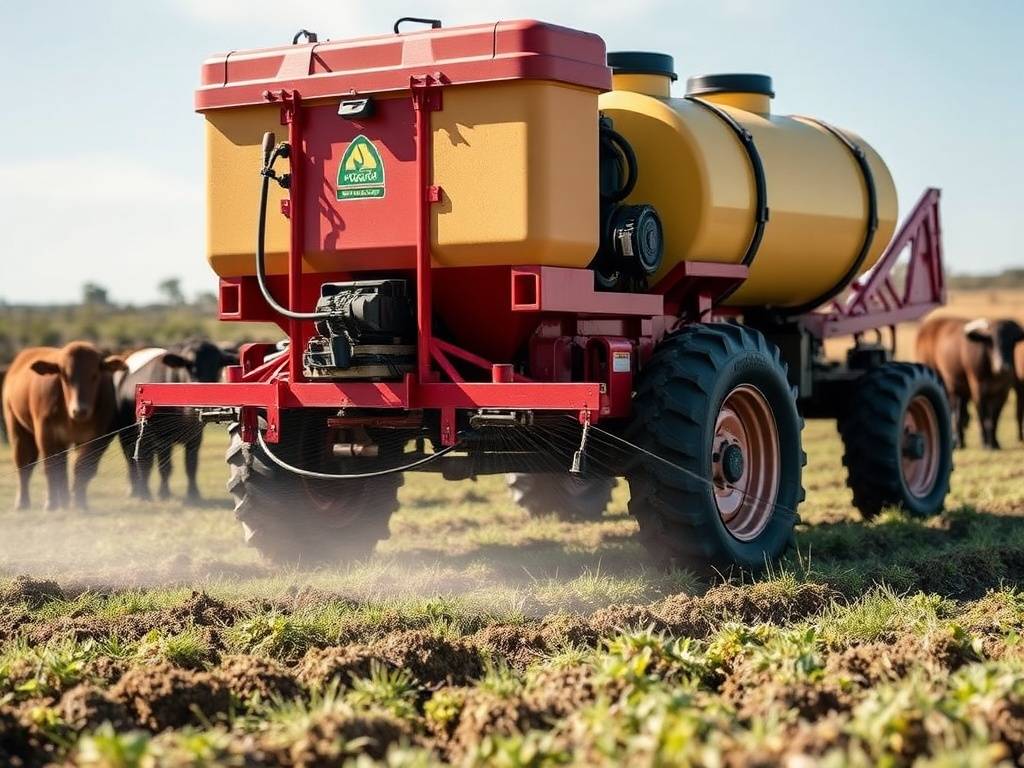
🔬 What is Formula Analysis in the Agrochemical Context? (H2)
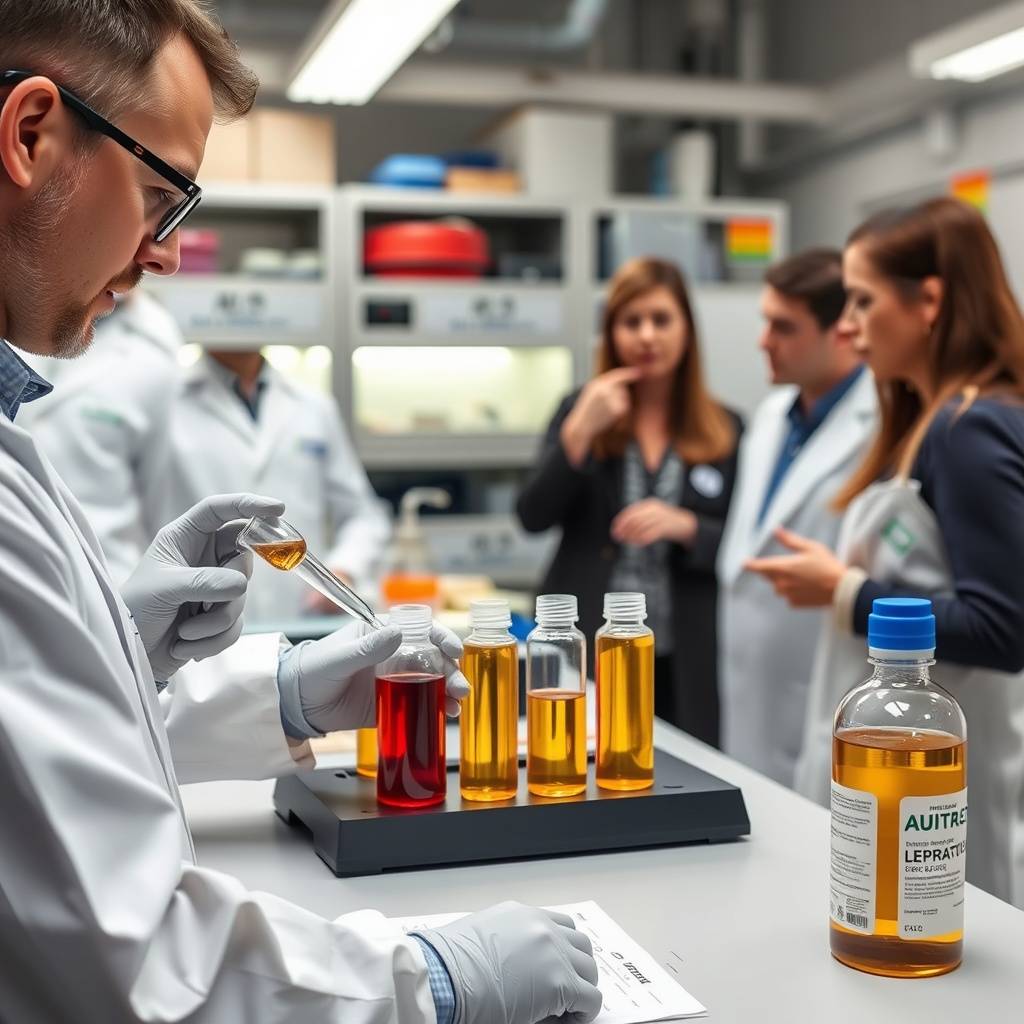
Formula analysis, sometimes referred to as chemical characterization or formulation deconstruction, is the scientific process of identifying and quantifying the chemical components within a formulated product. In the realm of agricultural adjuvants, this means moving beyond the basic “active ingredient” declaration to understand the entire matrix—including surfactants, solvents, stabilizers, inert carriers, and minor functional components.
It involves a suite of advanced analytical techniques, such as:
- Chromatography (HPLC, GC-MS): For separating and identifying volatile and non-volatile organic components.
- Spectroscopy (FTIR, NMR): For determining chemical structure and functional groups.
- Mass Spectrometry (MS): For precise identification and quantification of unknown compounds.
- Elemental Analysis (ICP-OES/MS): Crucial for analyzing mineral-based soil conditioners.
The resulting analytical report provides a comprehensive chemical fingerprint of the product, which is vital for quality, consistency, and compliance.
🛡️ The Crux of Compliance and Quality: Manufacturing and Importing (H2)
Whether you are manufacturing an adjuvant from scratch or importing a product for distribution, formula analysis addresses two non-negotiable pillars: Regulatory Compliance and Product Quality.
1. Ensuring Regulatory Compliance (H3)
Agricultural inputs are heavily regulated worldwide. Different jurisdictions (such as the EPA in the US, REACH in the EU, or local agricultural departments) have stringent requirements on product composition.
- Declaration Accuracy: Manufacturers must accurately declare the ingredients and their concentration on the product label and in safety data sheets (SDS). Analysis ensures the formulation precisely matches the declared specifications submitted to regulatory bodies.
- Prohibited Substances: Formula analysis rigorously screens for the presence of undeclared or potentially harmful contaminants or prohibited substances, such as heavy metals (critical in soil conditioners) or certain banned solvents/surfactants.
- Ingredient Limits: Many inert or ‘other’ ingredients are subject to use-pattern limits. Analysis confirms that the quantity of every component, including proprietary inerts, falls within permitted regulatory thresholds.
For importers, analysis is particularly critical as they take on the liability for the imported product. It serves as due diligence, verifying that the foreign manufacturer’s documentation aligns with the physical product and meets domestic registration standards, thereby mitigating the risk of customs seizure or product recall.
2. Guaranteeing Product Consistency and Quality (H3)
An agricultural adjuvant’s efficacy depends entirely on the precise ratio and quality of its components. A slight variation in the amount or type of surfactant, for example, can drastically reduce a spray application’s coverage and stability.
- Batch-to-Batch Consistency: Manufacturers use formula analysis for Quality Control (QC), testing samples from every production batch to ensure the formulation remains identical to the “master batch” standard. This prevents the costly and reputation-damaging issues arising from inconsistent performance in the field.
- Stability Assessment: By comparing the formula’s integrity over time (shelf-life testing), analysis helps identify potential degradation pathways for unstable components, leading to better packaging or storage recommendations.
- Raw Material Verification: Testing incoming raw materials against their specifications confirms they meet the required purity and quality, preventing faulty ingredients from compromising the final product.
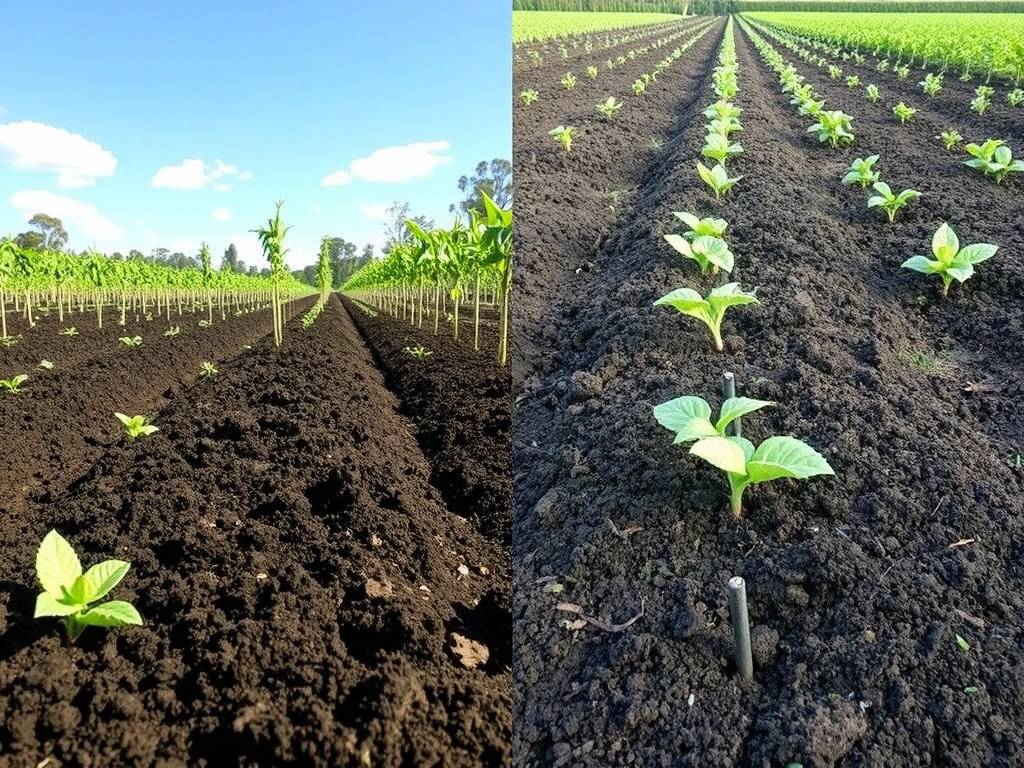
💡 Driving Innovation: Application in Reverse Engineering (H2)
While the primary use of formula analysis is quality control and compliance, it is also a powerful tool for strategic innovation—specifically through reverse engineering. This practice, when conducted ethically and legally (without violating patents or IP rights), is a cornerstone of competitive product development.
Competitive Benchmarking (H3)
Formula analysis allows R&D teams to chemically fingerprint successful, non-patented, or off-patent competitive products. This enables:
- Understanding Efficacy: Identifying the proprietary blend of inert ingredients that contribute to a competitor’s superior performance (e.g., identifying a novel humectant in a soil conditioner).
- Developing Cost-Effective Alternatives: Once the chemical profile is known, a company can formulate a new, legally distinct product using equivalent, more readily available, or cheaper raw materials, offering a competitive advantage on price.
- Gap Analysis: Pinpointing the unique attributes of a market leader to guide internal research towards developing an even better second-generation product.
For a company focused on soil conditioners, reverse engineering a competitor’s complex mineral or microbial blend can reveal the specific ratio of humic acids, fulvic acids, or beneficial microorganisms, enabling the development of a differentiated, high-performance product.
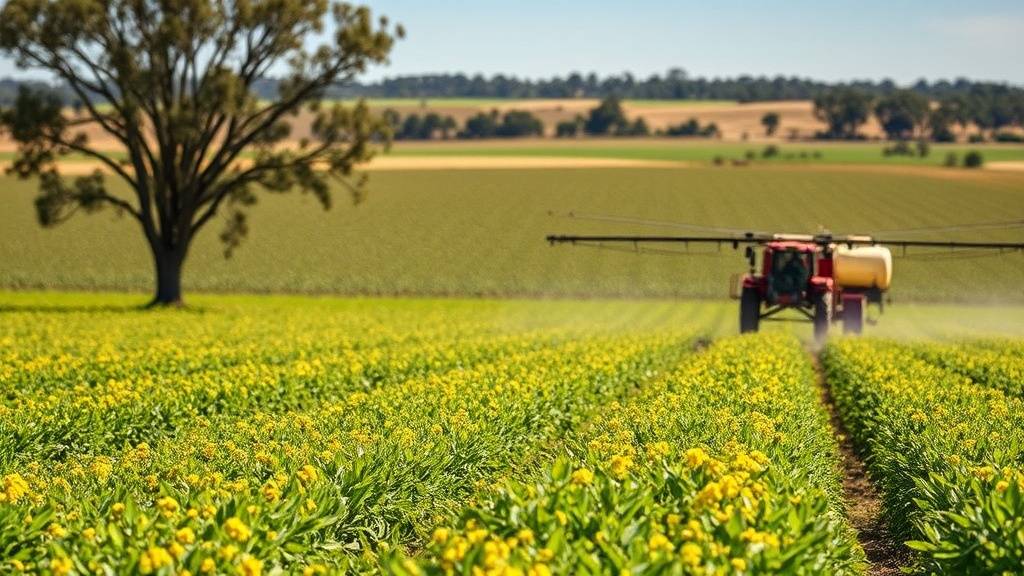
🌱 The Specifics: Formula Analysis for Soil Conditioners (H2)
Soil conditioners are a perfect example of a complex agricultural adjuvant. They often contain a diverse mix, including:
- Organic Matter: Humic and fulvic acids, compost extracts.
- Mineral Amendments: Gypsum, lime, sulfur, specific clay types.
- Microbial Components: Bacteria, fungi, and their growth media.
Formula analysis for these products must go deeper:
- Heavy Metal Screening: Due to their application directly to the soil, stringent testing for heavy metals (Arsenic, Cadmium, Lead, etc.) is absolutely mandatory for safety and compliance.
- Nutrient Mapping: Precise quantification of macro and micronutrients to ensure accurate labeling and effectiveness.
- Complex Matrix Deconvolution: Separating and quantifying the various organic and inorganic components, which is challenging due to the inherent complexity of natural extracts.
📈 Conclusion: The Investment in Certainty (H2)
In the high-stakes world of agricultural adjuvant manufacturing and importing, uncertainty is the enemy of success. A single failed batch, a customs detention, or a product recall due to non-compliance can cost millions and irrevocably damage a brand’s reputation with farmers.
Formula analysis is more than just a cost; it is an essential investment in business certainty. It is the scientific safeguard that ensures every single bottle, bag, or tanker of product meets the promised quality, adheres to every regulatory standard, and ultimately delivers on its promise to the agricultural community. For any company looking to compete effectively, responsibly, and successfully in the global market for agricultural adjuvants and soil conditioners, a robust formula analysis program is non-negotiable—it is the bedrock upon which trust and market leadership are built.