How Scientific Formulation Development Supports Safe, Effective and Market-Ready Whitening Solutions
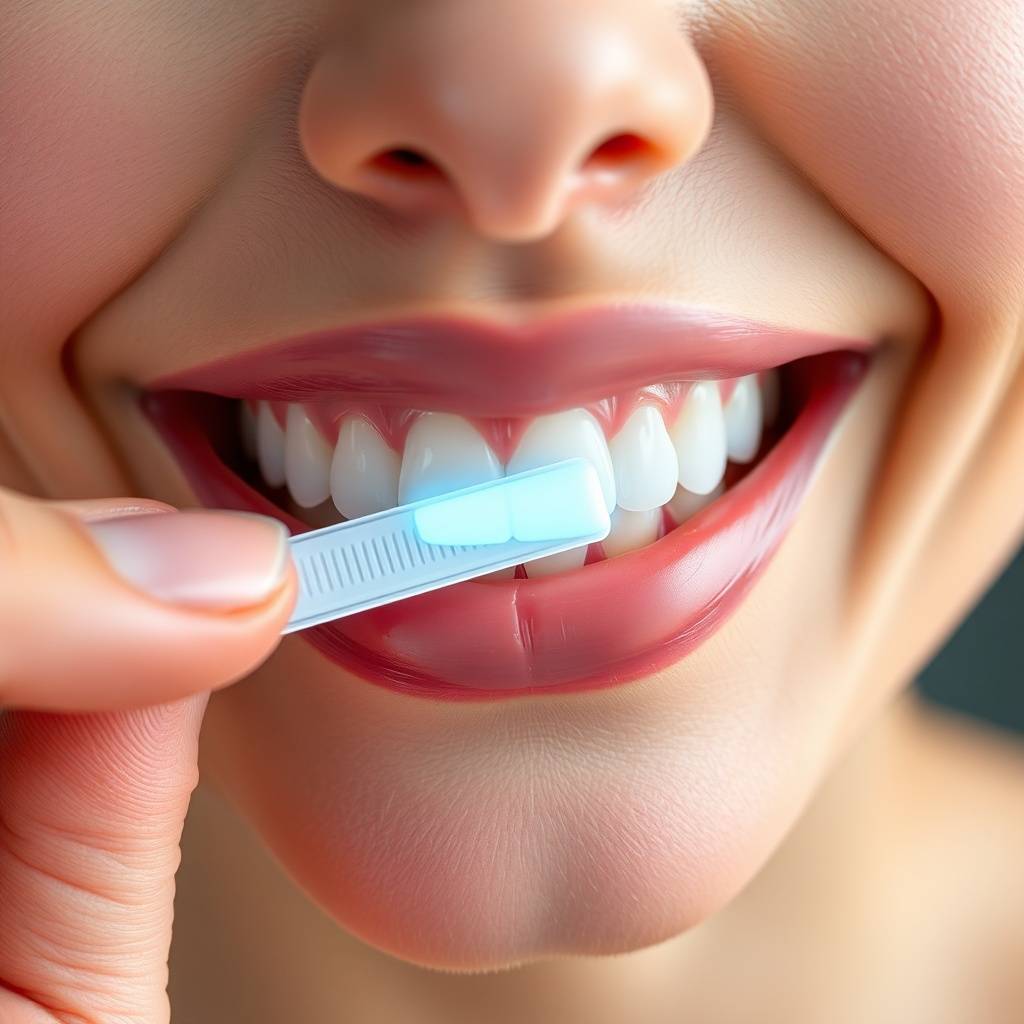
Oral whitening has become one of the fastest-growing segments in oral care, driven by consumer demand for brighter smiles, gentle daily whitening, and high-performance products that fit modern lifestyles. Across toothpaste, whitening strips, mousses, powders, pens, and rinse products, brands are seeking unique formulas that deliver visible results without irritation.
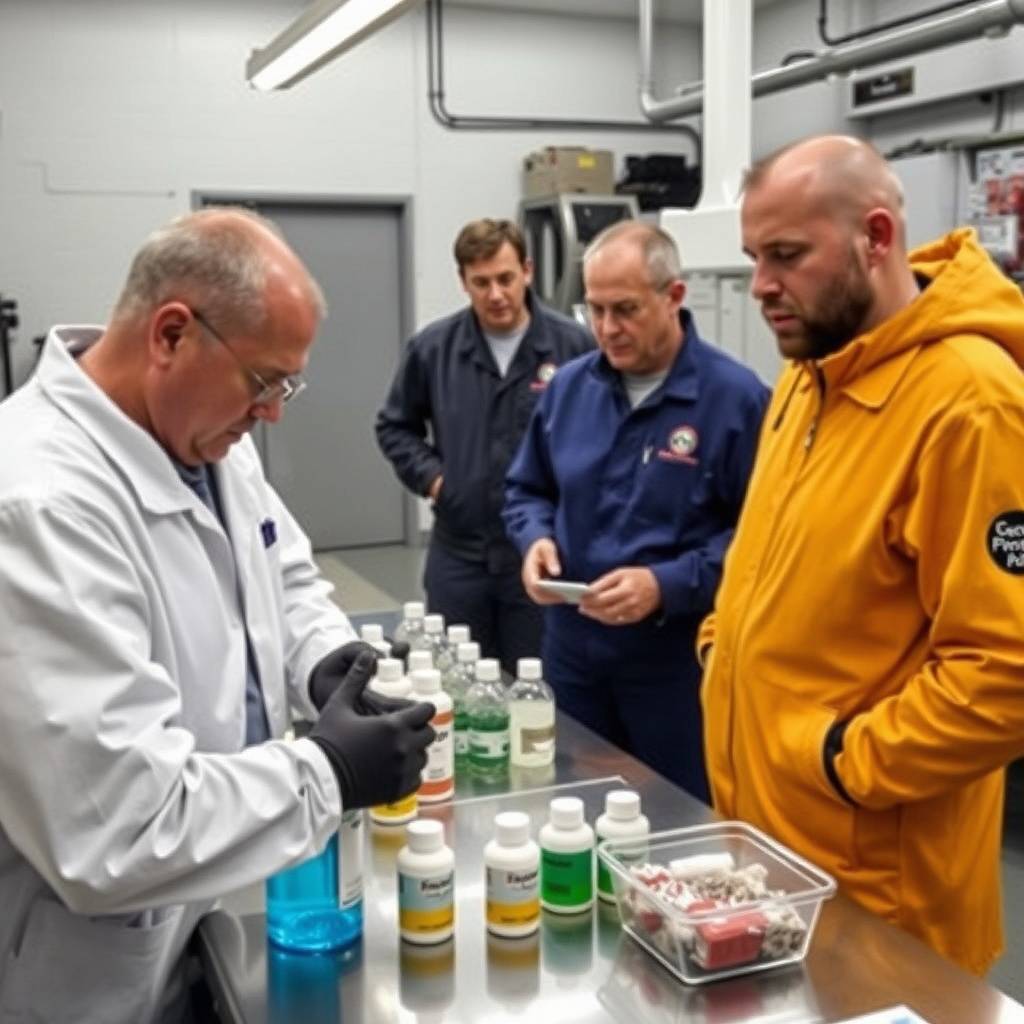
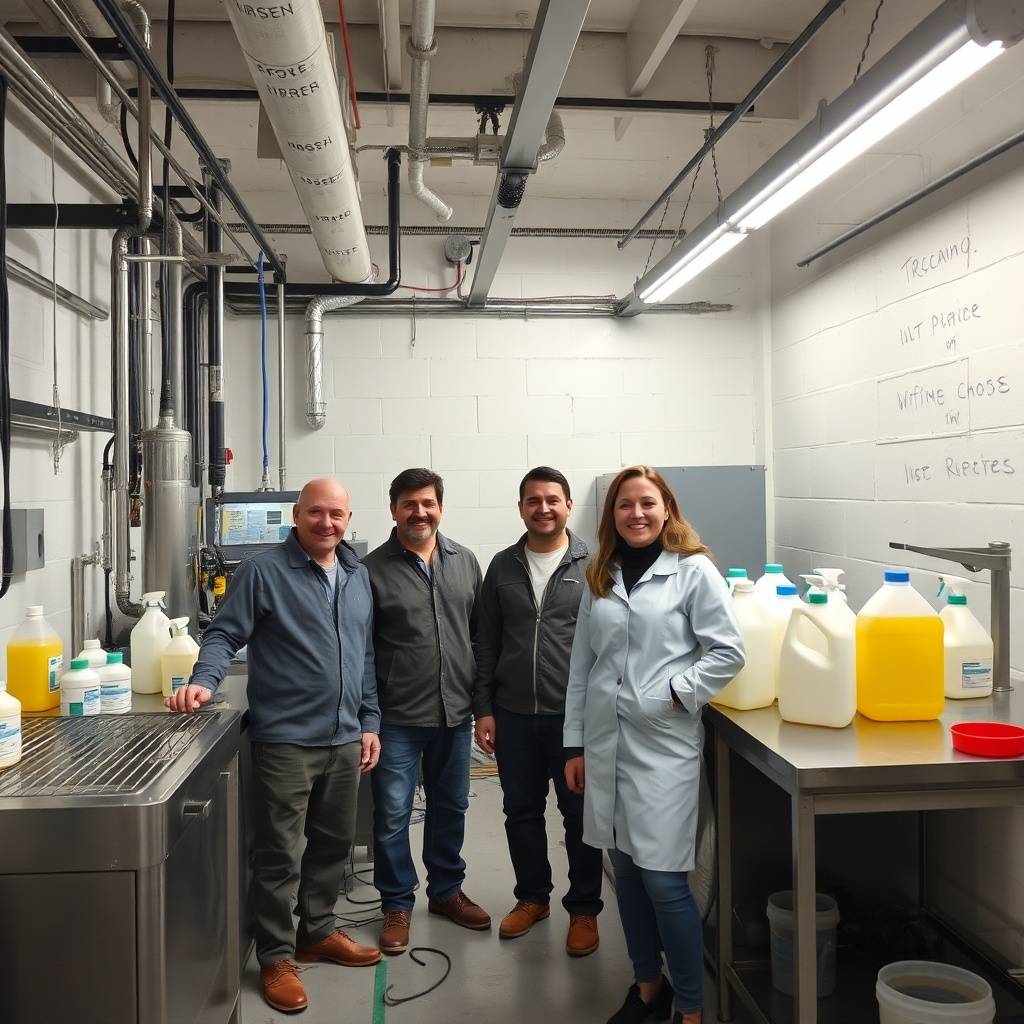
Behind every successful whitening product is a structured science-based workflow: formulation research, laboratory analysis, iterative development, stability assessment, and well-controlled OEM manufacturing. This blog explores how these components work together to help companies—especially small and medium enterprises—create competitive, differentiated oral whitening products that meet consumer expectations for safety, efficacy, and premium experience.
1. Why Formulation Research Matters in Oral Whitening
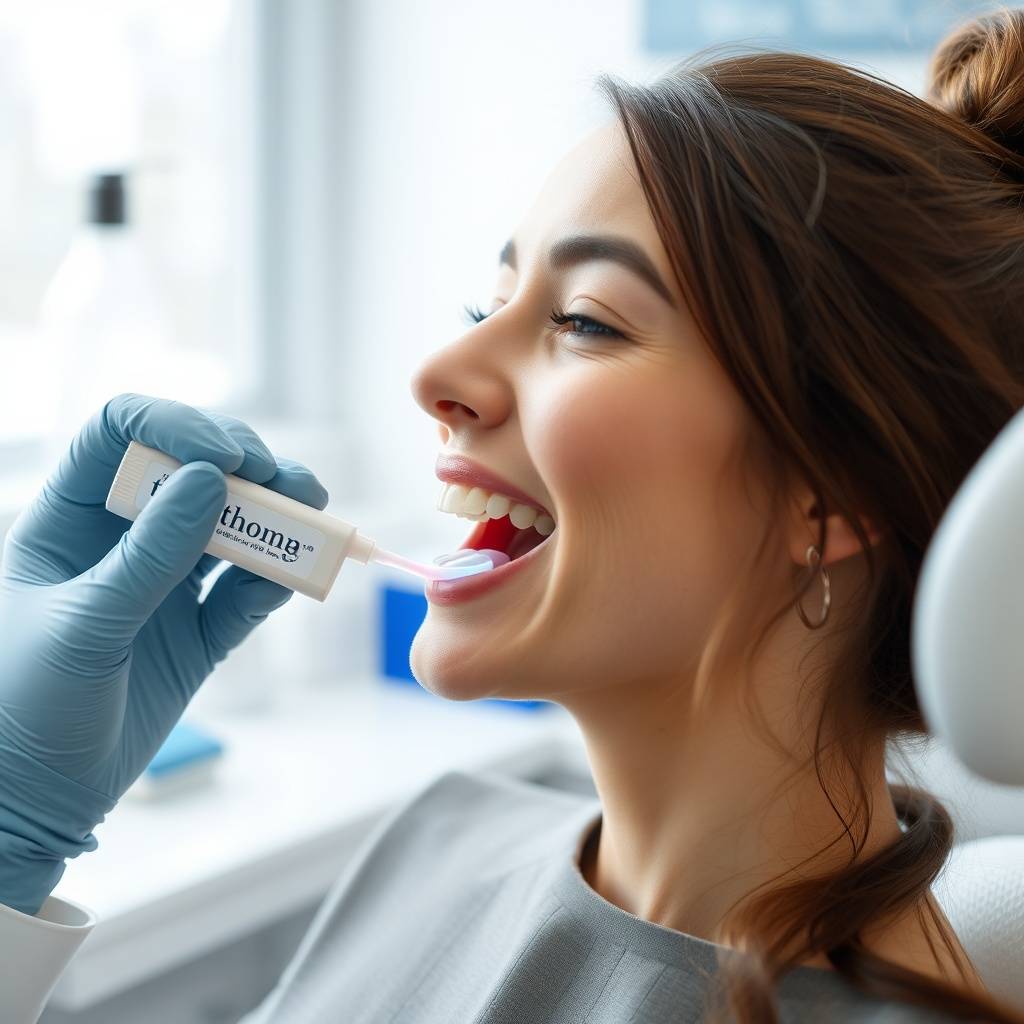
Oral whitening products operate in a sensitive physiological environment: the teeth, gums, and oral mucosa. Unlike skincare or haircare, whitening formulations must meet stricter expectations for:
- Gentle action on enamel
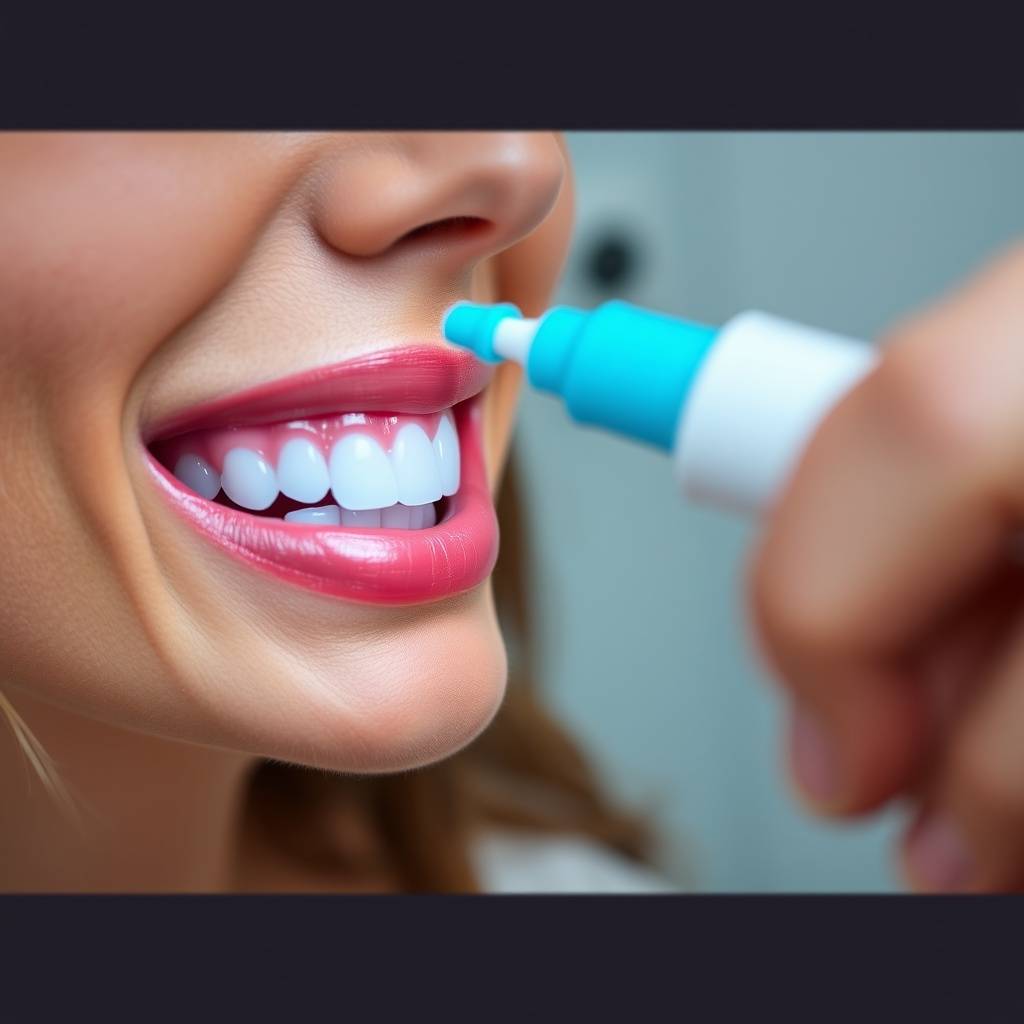
- Low irritation to soft tissue
- Safe exposure to salivary enzymes and pH
- Good flavour, mouthfeel, and foaming
- Chemical compatibility with toothpaste packaging, tubes, or pens
- Stability in a moisture-rich environment
These constraints mean that a scientifically-designed formula is essential.
Key Objectives of Modern Whitening Formulation Research
- Targeted whitening mechanism:
- Oxidative whitening (e.g., PAP, sodium percarbonate derivatives)
- Mechanical polishing (e.g., silica grades, calcium carbonate)
- Enzyme-based stain removal (e.g., proteases)
- Chelation-based stain lifting agents
- Safety profile suitable for daily use
- Mildness on enamel
- Low abrasivity (RDA/RDA-equivalent for powders)
- No harsh acidity or oxidative instability
- Sensory experience
- Clean, fresh flavour
- Smooth texture
- No lingering taste or sensitivity
- Shelf stability
- Whitening agents that remain active over time
- Prevention of oxidation, caking, or phase separation
- Manufacturing feasibility
- Formula that is reproducible and cost-efficient
- Ingredients that can be sourced consistently
Because the oral cavity is a complex biochemical environment, the whitening agent must work effectively without compromising enamel, dentin, or soft tissue. This balance is only achievable through rigorous formulation research supported by laboratory testing.
2. The Role of Laboratory Formulation Analysis
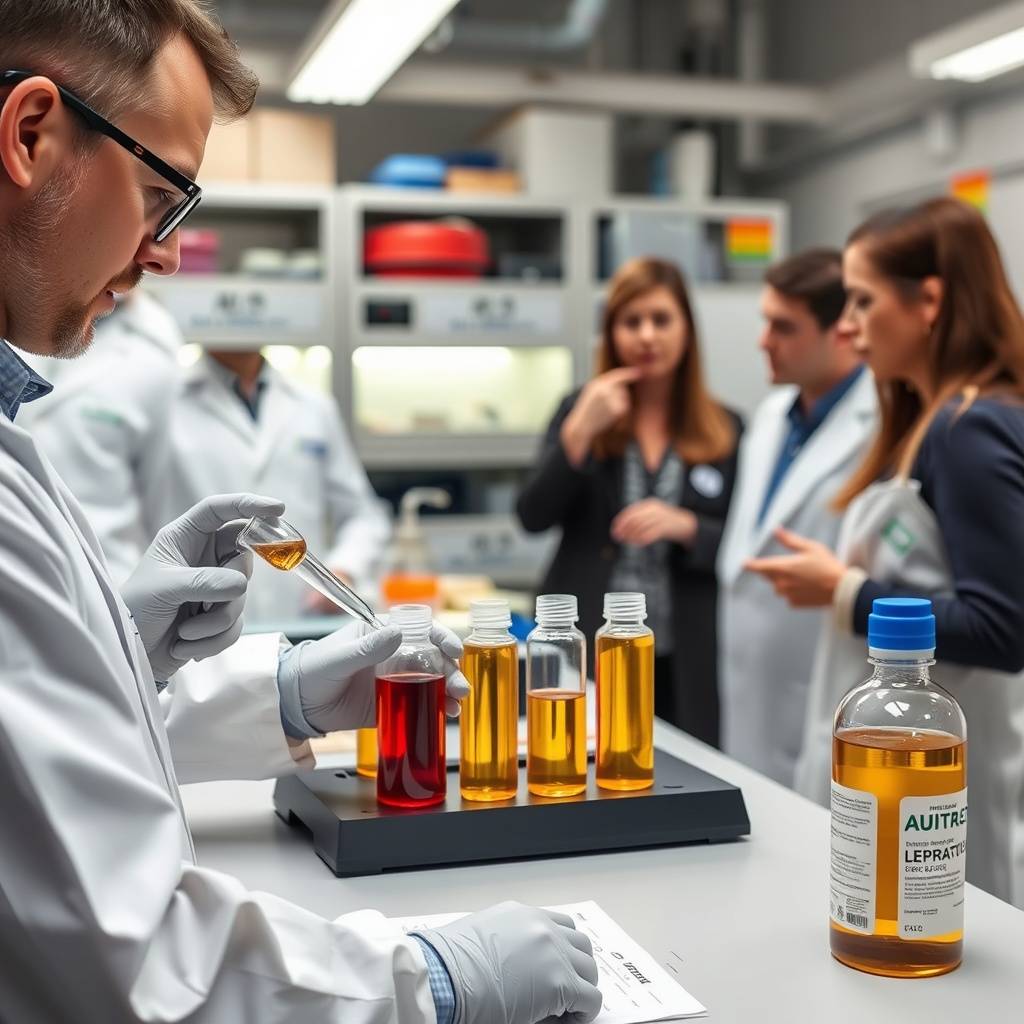
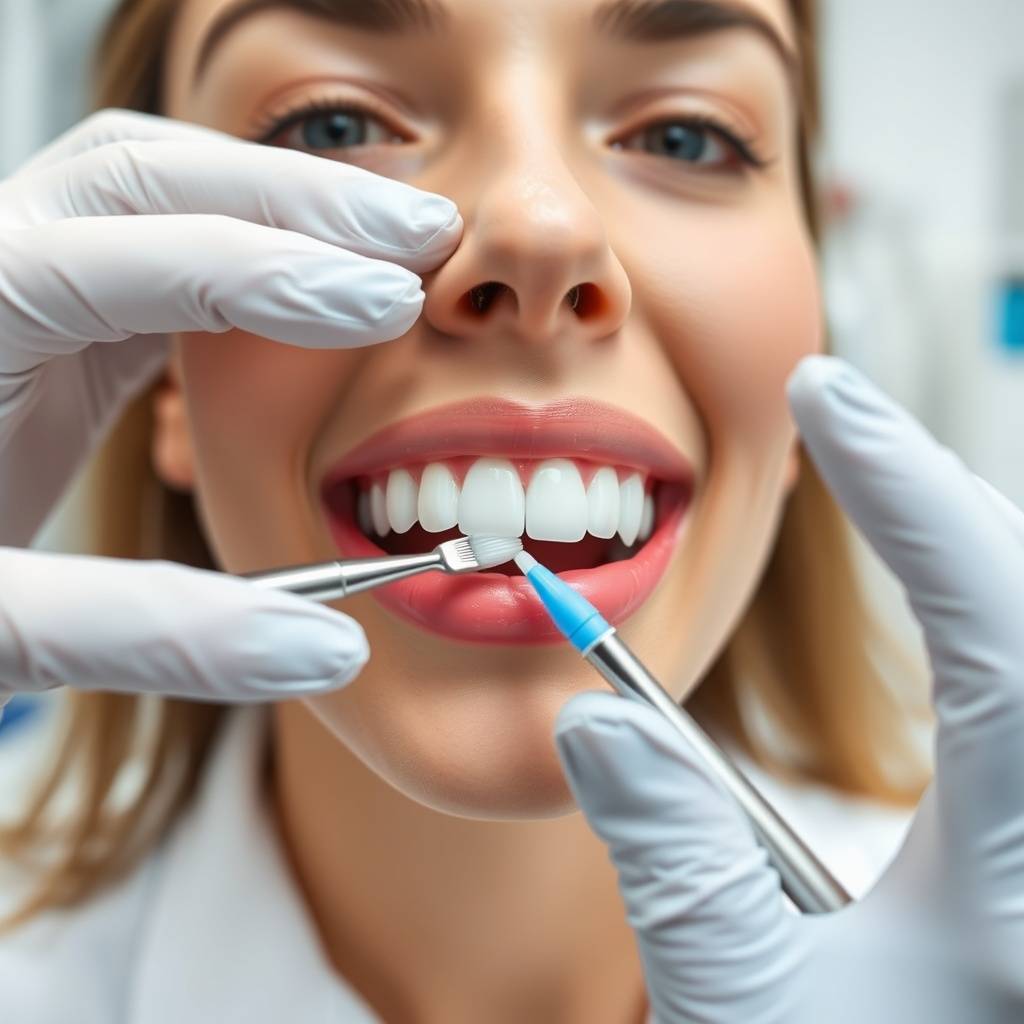
Laboratory analysis is the backbone of whitening product development. It gives brands scientific insight into how their formula works and where improvements are needed.
Below are the core categories of analytical work performed during whitening formulation development.
2.1 Ingredient Identification and Compatibility Assessment
A full analytical review includes:
- Identification of surfactants, abrasives, humectants, binders, flavours, and active agents
- Oxidative stability screening for whitening components like PAP or percarbonate salts
- pH and buffering analysis
- Enamel-safe particle evaluation (size distribution, shape, hardness)
Compatibility testing is particularly important for whitening actives, which may react with:
- Water
- Metal ions
- Flavours
- Gelling systems
- Packaging materials
A well-executed compatibility assessment prevents instability, colour changes, or loss of whitening performance across the product’s shelf life.
2.2 Performance Analysis
Performance tests assess whether a whitening formula works as intended. These include:
- Stain removal efficiency on enamel substitutes
- Whitening kinetics under simulated saliva conditions
- Enamel surface morphology (microscopy before/after use)
- Relative abrasivity (RDA or equivalent measurement)
- pH neutralisation curves
Such data allow developers to compare different formula concepts and select the most effective approach. For brands, performance data becomes a foundation for evidence-based marketing—without making therapeutic claims.
2.3 Safety Testing and Mildness Assessment
Although whitening products are designed for cosmetic use, safety is paramount. Key tests include:
- Oral irritation potential
- Enamel hardness preservation
- Stability under temperature cycling
- Flavour stability and aftertaste evaluation
- Microbiological safety and preservative efficacy
These assessments guide ingredient adjustments. For example:
- Reducing abrasivity while keeping stain removal good
- Adjusting humectant balance to improve mouthfeel
- Choosing stabilisers that reduce irritation
Safety-oriented formulation is also a strong selling point for consumers who are increasingly concerned about sensitivity and enamel protection.
3. Whitening Mechanisms and How R&D Helps Brands Choose the Right Approach
Different whitening mechanisms require different formulation strategies. Laboratory R&D helps match the desired whitening effect with the most suitable active system.
3.1 Oxidative Whitening (e.g., PAP-based formulas)
PAP (Phthalimidoperoxycaproic Acid) and similar oxidative systems are used internationally in cosmetic whitening products. R&D focuses on:
- Stabilising PAP in aqueous or semi-solid bases
- Preventing premature decomposition
- Combining with boosters (e.g., calcium lactate, citrate derivatives)
- Reducing potential sensitivity
Proper formulation avoids harshness while maintaining cosmetic whitening performance.
3.2 Abrasive-Based Whitening (Toothpaste and Powder)
Mechanical stain removal requires:
- Carefully selected silica grades
- Controlled particle shape and size
- Balance between cleaning power and abrasivity
Laboratory analysis ensures that the RDA value remains suitable for daily use.
3.3 Enzyme-Based Whitening
Enzyme whitening uses proteins that break down organic stain components.
Formulation analysis ensures:
- Enzyme activity remains stable
- Moisture control is adequate
- Flavours and surfactants do not deactivate enzymes
This approach is ideal for “gentle whitening” marketing.
3.4 Chelation and Anti-Stain Systems
Some innovative whitening products use chelators to lift metal-based stains such as tannins.
R&D work ensures:
- Chelators do not disrupt enamel minerals
- pH is maintained within a safe oral range
This is increasingly used in “daily brightening” products.
4. Turning R&D Insights Into Market-Ready Whitening Products
Once a stable and effective formula has been developed, the next step is transforming it into a commercial product through OEM manufacturing.
4.1 Translating Lab Formulas Into Scalable Manufacturing
OEM manufacturers rely on precise R&D inputs such as:
- Ingredient specifications
- Mixing sequences
- Temperature controls
- Processing tolerances
- pH and viscosity targets
A formula created in the lab must be modified to ensure:
- The product can be manufactured at scale
- Raw materials are economically viable
- Packaging and filling processes are compatible
- The formula remains stable across bulk production
OEM-ready formulations require stability and reproducibility, supported by robust technical documentation.
4.2 Quality Control Throughout Production
QC testing ensures that every batch meets specification. Typical QC elements include:
- pH, viscosity, colour
- Active content retention
- Microbial safety
- Abrasivity levels
- Tube/pump compatibility
- Accelerated stability testing
A strong QC process reduces product returns, improves brand reputation, and builds consumer trust.
4.3 Regulatory and Cosmetic-Category Positioning
Formulation research also helps brands position their whitening products correctly within cosmetic categories—not therapeutic ones—by:
- Avoiding therapeutic claims
- Selecting cosmetic-appropriate ingredients
- Ensuring safety and stability evidence supports cosmetic use
A science-based approach helps brands avoid regulatory complications while ensuring consumer-safe products.
5. Market Trends Driving Innovation in Whitening R&D
Several global shifts are shaping next-generation whitening formulas:
**A. Demand for “gentle whitening”
**
Consumers increasingly favour products that whiten without sensitivity. This drives interest in:
- PAP derivatives
- Non-abrasive whitening gels
- Enzyme-based systems
- Low-RDA toothpastes
B. Daily-use “maintenance whitening”
Consumers want solutions that preserve whiteness between professional treatments. R&D supports:
- Multi-mechanism formulas
- Fluoride-compatible whitening systems
- Whitening mouth sprays
- Whitening foams for fast use
C. Natural and clean-label whitening
Brands are requesting formulations using:
- Natural silica alternatives
- Plant-derived surfactants
- Biodegradable chelators
- Low-flavour, low-chemical sensory systems
D. Premium experience and brand differentiation
With rising competition, brands differentiate through:
- Unique textures (foams, gels, mousses)
- Faster visible results
- High-end flavours (mint blends, cool-sweet profiles)
- Sleek OEM packaging
Formulation analysis ensures these features do not compromise stability or performance.
6. How Small and Medium Brands Can Benefit From Professional Formulation Analysis
Professional formulation research supports smaller brands by providing:
- A clear technical path to developing market-ready products
- Confidence in ingredient safety and performance
- Ability to benchmark against existing whitening products
- Guidance on selecting the most suitable whitening mechanism
- Technical documentation needed for OEM manufacturing
- Flexibility in creating signature, exclusive formulas
This is especially valuable for companies expanding into:
- Whitening toothpaste
- Whitening gels and pens
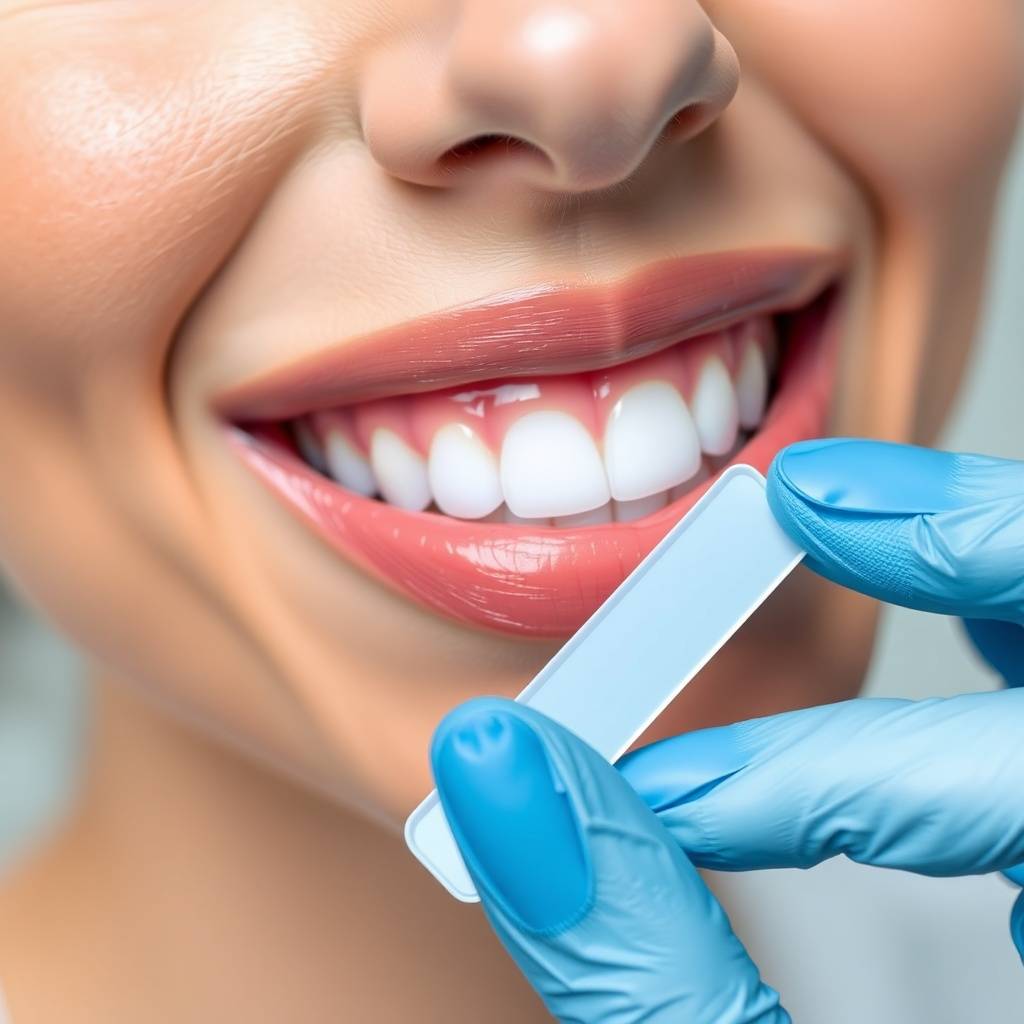
- Whitening strips
- Foaming whitening mousse
- Powder-based whitening systems
By combining laboratory expertise with manufacturing capability, brands can launch products that stand out in both performance and consumer experience.
Conclusion
The development of oral whitening products requires more than simply combining ingredients. It demands a structured process integrating scientific formulation research, thorough laboratory analysis, stability testing, and controlled OEM manufacturing.
Through this multidisciplinary approach, brands can create whitening products that are:
- Effective in removing stains
- Gentle on enamel and gums
- Stable throughout their shelf life
- Pleasant in flavour and sensory experience
- Scalable for commercial production
- Positioned correctly within cosmetic regulatory frameworks
As consumer expectations continue to rise in the oral whitening sector, companies that invest in scientific R&D and evidence-based formulation work will lead the market with safer, higher-quality, and more innovative products.