Introduction: Smarter Product Development for Australian Beauty Brands
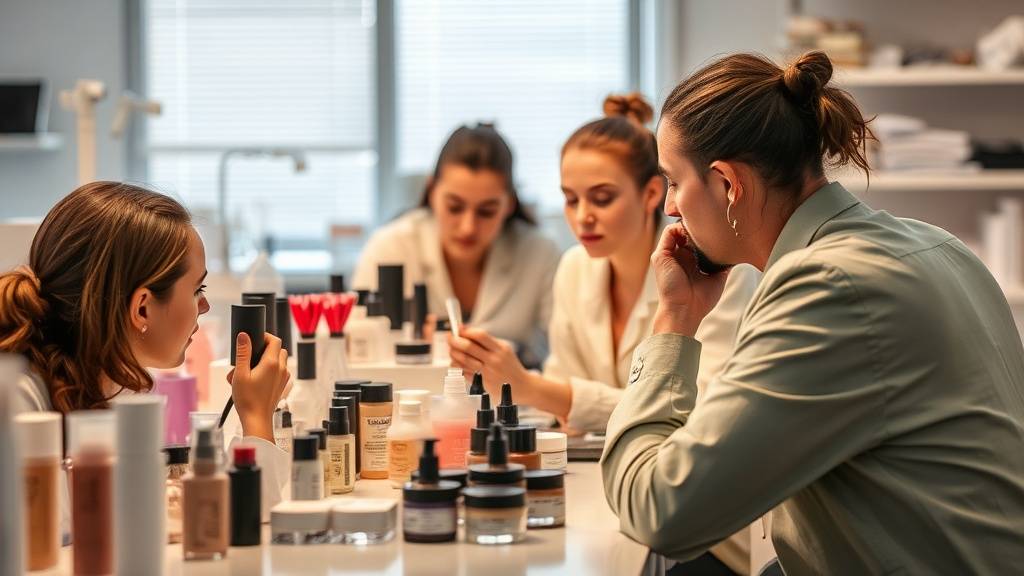
Australia’s beauty industry is rapidly expanding, with thousands of new skincare and cosmetic products entering the market each year.
For small and medium-sized brands, developing a high-quality product efficiently and responsibly is key to success.
That’s where cosmetic formula analysis comes in — a scientific process that helps businesses understand product composition, evaluate performance, and guide their own compliant innovation.
It’s not about copying; it’s about learning from market standards and improving through science.

What Is Cosmetic Formula Analysis?
Cosmetic formula analysis (sometimes called formulation assessment or compositional analysis) is a technical study of a product’s structure and ingredients.
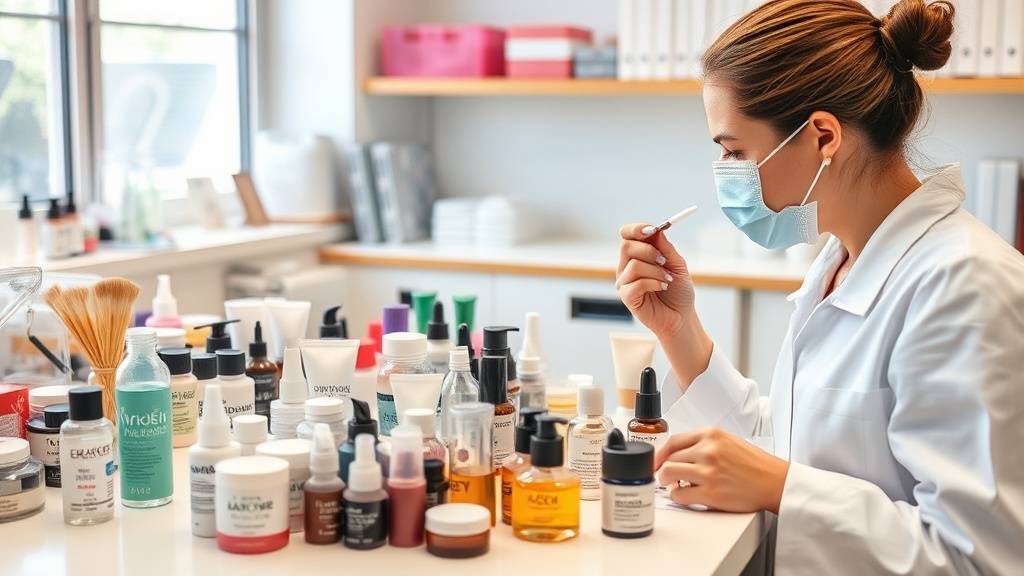
Laboratories use advanced analytical tools to identify the components that influence texture, stability, and overall performance.
This process supports:
- Benchmarking your product against market standards
- Identifying functional ingredients and formulation trends
- Improving safety, stability, and cost efficiency
- Supporting R&D documentation for compliance and innovation
It’s a research tool, not a duplication method — designed to help brands build original, compliant, and high-performing products.
Regulations for Cosmetic Products in Australia
Developing or testing cosmetics in Australia must comply with several key regulations:
- AICIS (Australian Industrial Chemicals Introduction Scheme) – Oversees ingredient safety and chemical introductions. All importers and manufacturers of cosmetics must ensure their ingredients are registered and permitted for use.
- ACCC (Australian Competition and Consumer Commission) – Enforces labelling standards and prevents misleading product claims.
- TGA (Therapeutic Goods Administration) – Regulates products that make medical or therapeutic claims (e.g. “treats acne”).
When performing formula analysis, it’s essential to confirm that all identified or intended ingredients comply with AICIS requirements and Australian consumer law.
Labsure assists clients in understanding analytical results — not legal or regulatory interpretation — and encourages every client to seek professional legal or IP advice before commercialisation.

How Formula Analysis Works
Here’s a simplified version of the process:
- Sample Assessment – A laboratory examines the physical and sensory properties (texture, colour, odour, pH).
- Analytical Testing – Using techniques such as GC-MS, FTIR, or HPLC to detect and quantify key components.
- Data Interpretation – Chemists interpret results to identify ingredient categories and functional groups.
- Reporting – You receive a confidential report summarising ingredient findings, analytical methods used, and potential directions for R&D improvement.
- Innovation Support – Based on the results, your team may pursue reformulation, optimisation, or new product development — ensuring compliance and originality.
Typical turnaround times range from 3 to 6 weeks, depending on complexity.
Example: Developing a Skincare Product Responsibly
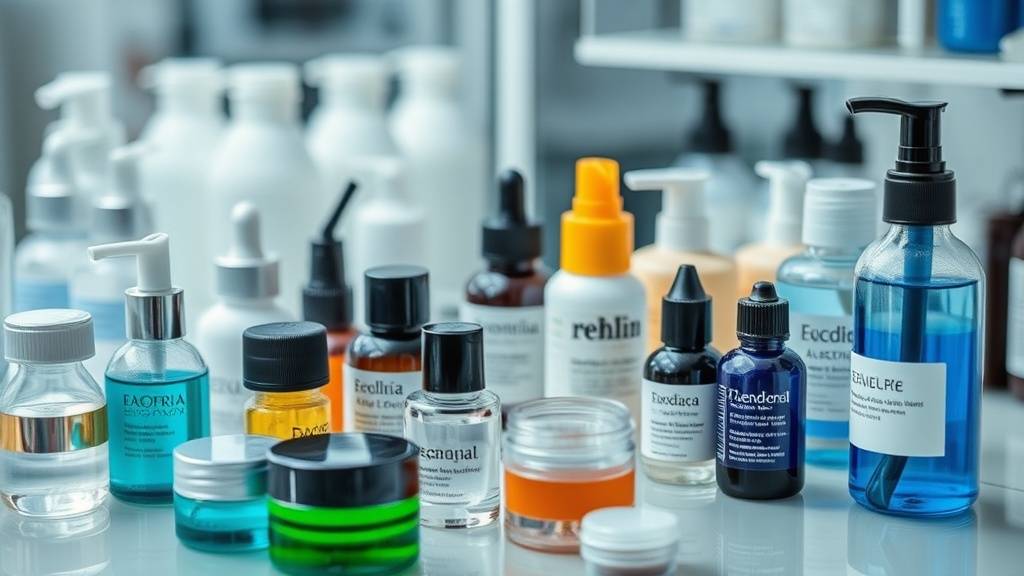
A Melbourne-based skincare company wanted to create a gentle, eco-friendly moisturiser suited to Australian climates.
Instead of starting from scratch, they worked with Labsure to analyse several market products for benchmarking — identifying the types of natural emollients, humectants, and stabilisers commonly used.
From this analytical insight, their formulation chemist designed a new, original formula with locally sourced ingredients and improved shelf stability.
The project took 8 weeks and met all AICIS and labelling requirements before launch.
This example shows how analytical understanding can accelerate innovation without imitation.

Why Formula Analysis Is Valuable for Australian Brands
- ✅ Shorter development timelines – Guided by data, not guesswork
- ✅ Reduced technical risk – Learn stability and performance insights early
- ✅ Better compliance – Confirm ingredient suitability for Australian regulations
- ✅ Improved quality – Create safer, more effective formulations through scientific validation
- ✅ Cost efficiency – Invest once in analytical clarity to avoid repeated reformulations
Important Legal and Ethical Notes
- Formula analysis is conducted for research and development purposes only.
- It is not intended for direct replication of existing commercial products.
- Any new formulation derived from analytical insights must be independently developed to ensure no infringement of intellectual property or trade secrets.
- Always perform patent and trademark searches before launching a product.
- Labsure provides analytical testing and technical data interpretation, not legal or IP advice.
Conclusion
Formula analysis empowers Australian businesses to innovate faster — but responsibly.
By understanding the composition and performance of existing products, you can make informed, compliant decisions about your own product development.
Labsure’s analytical services provide reliable data to support R&D, benchmarking, and regulatory compliance — helping your brand grow confidently within Australia’s legal and ethical framework.
📞 Contact Labsure
🌐 www.labsure.com.au
📧 info@labsure.com.au
📍 PO Box 1128 Oxley QLD 4075