Introduction
For small and medium-sized enterprises (SMEs) in the chemical and manufacturing industries, research and development (R&D) is both essential and expensive. Every new product idea — from cleaning agents to personal care formulations — requires testing, prototyping, and raw material validation before it can reach the market. However, limited budgets often force business owners to look for ways to reduce costs.
The good news is that lowering R&D expenses doesn’t have to mean lowering quality. With the right strategy, SMEs can streamline their development process, avoid waste, and still produce reliable, market-ready products.

1. Start with a Clear Product Objective
Before beginning any lab work, define exactly what problem your product is solving. Many small businesses waste resources by starting experiments too early, without a clear direction.
Ask these key questions:
- What customer pain point does this product address?
- What are the performance targets (e.g. cleaning power, skin feel, stability)?
- What certifications or regulations must it meet?
By outlining these criteria first, you can focus your testing on meaningful parameters and avoid unnecessary trials.
2. Leverage Existing Knowledge and Benchmarking
One of the most effective cost-saving approaches is building on existing formulations or technologies. Study successful products already in the market — their ingredient lists, performance claims, and consumer reviews. This benchmarking provides valuable insights into what works and what doesn’t, helping you design smarter trials.
You don’t have to copy or infringe — instead, use benchmarking as a learning tool to guide your own innovation path.

3. Choose Raw Materials Wisely
Raw materials can represent up to 60% of a formula’s cost. Many startups quickly discover that the same chemical name from different suppliers can mean completely different quality levels. Some materials are heavily diluted, contain excessive fillers, or have unstable active content that degrades over time.
From our experience working with various projects, we’ve seen all kinds of situations — expired materials, mislabeled ingredients, and low-purity batches that caused unstable results. These issues not only affect performance but also increase R&D costs through repeated testing.
Tips for smart material selection:
- Request Certificates of Analysis (COA) for every batch.
- Validate samples from multiple suppliers before purchasing in bulk.
- Build relationships with reputable distributors who can ensure stable supply.
- If a certain ingredient frequently causes quality issues or production delays, consider reformulating with an alternative that is easier to source and process.
Sometimes, paying slightly more for a reliable ingredient saves far more in the long run — fewer reworks, better stability, and smoother scale-up.
4. Use Small-Scale Trials Before Full Production
Conducting trials in smaller batches allows you to evaluate raw materials and formulation stability without wasting large quantities. Many SMEs make the mistake of scaling up too quickly, only to find that their formula fails during production.
Start small, document each test carefully, and identify which variables have the greatest impact on quality and cost.

5. Collaborate with External Experts
Not every SME can afford an in-house R&D team or a fully equipped laboratory — and that’s perfectly fine. Partnering with independent formulation labs or consultants can be more cost-effective than trying to build everything from scratch.
These professionals already have the analytical instruments, testing protocols, and technical expertise to help you:
- Analyze product composition and performance
- Identify potential formulation improvements
- Optimize ingredient ratios to reduce cost
Instead of hiring full-time chemists, outsourcing specific stages of development can significantly lower financial pressure while maintaining high quality.
6. Reuse and Optimize Test Data
Every experiment generates valuable data — even when the results are not ideal. Keeping detailed records of each test (formulation ratios, pH, stability, performance results) helps you identify patterns and avoid repeating the same mistakes.
When you reuse previous data effectively, your future R&D cycles become faster, cheaper, and more informed.
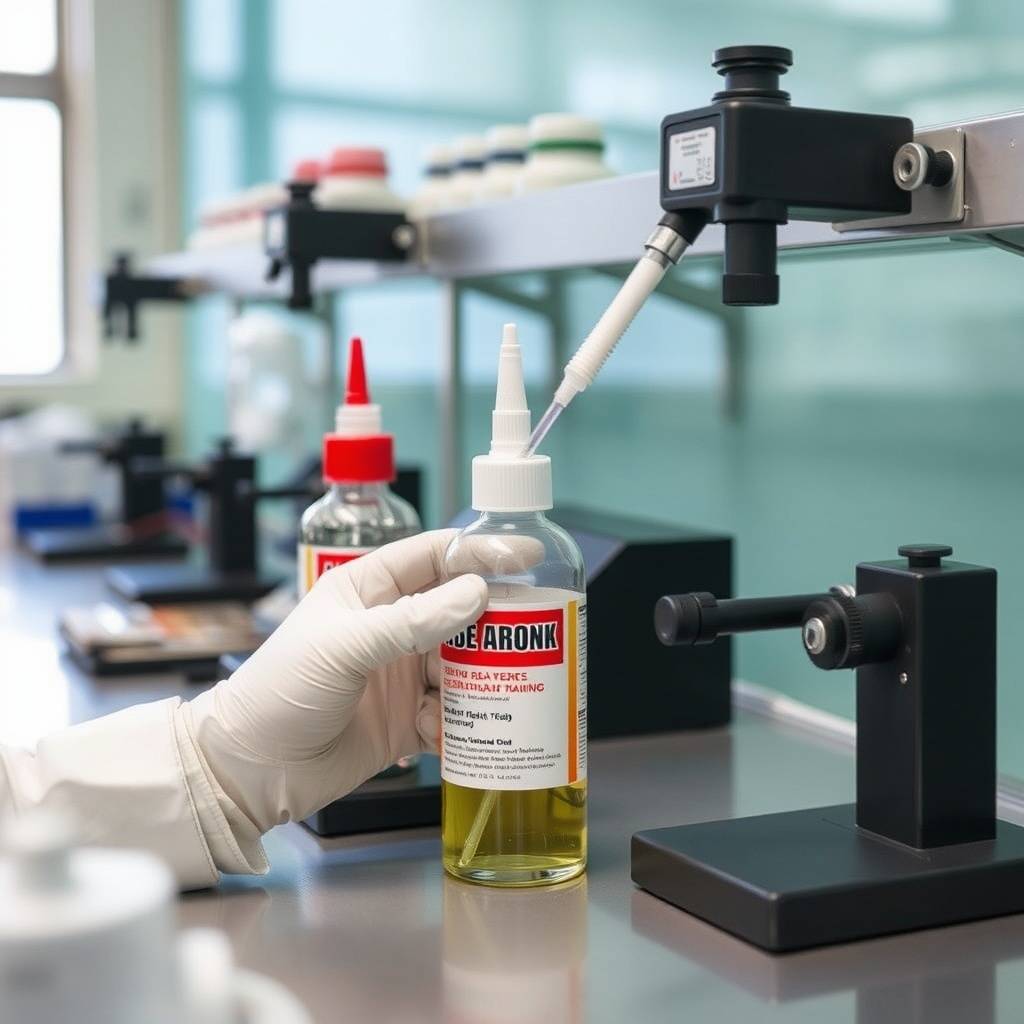
7. Plan for Scale-Up Early
One hidden source of R&D cost comes from scaling issues. A formulation that works in a 500 g lab sample might fail at 100 kg production scale due to mixing limitations, viscosity changes, or raw material inconsistencies.
To minimize risk:
- Simulate production conditions as early as possible.
- Choose ingredients compatible with your intended equipment.
- Discuss manufacturability with your production partner before finalizing the formula.
This foresight prevents expensive reformulation later on.
8. Focus on Continuous Improvement
Cost control in R&D is not a one-time activity. Market conditions, supplier availability, and regulatory requirements all evolve. Maintaining a habit of continuous improvement — reviewing formulations, monitoring supplier quality, and collecting customer feedback — helps SMEs sustain product quality while keeping costs stable.

Conclusion
Reducing R&D costs doesn’t mean cutting corners. With thoughtful planning, reliable material sourcing, and data-driven optimization, small businesses can develop high-quality chemical products on limited budgets.
By choosing dependable suppliers, starting with clear objectives, and leveraging external expertise when needed, SMEs can bring innovative, stable, and cost-effective products to market faster — without compromising performance or safety.