When businesses need to understand the composition and structure of a product — for benchmarking, quality improvement, or regulatory compliance — one of the most common questions is:
“How long will this take?”
The answer depends on several factors, including formula complexity, testing scope, and analytical techniques used.
In general, basic formulations can be analyzed within about 15 days, while complex systems may require 30 days or more to ensure accuracy and reliability.
Understanding the Formula Analysis Process
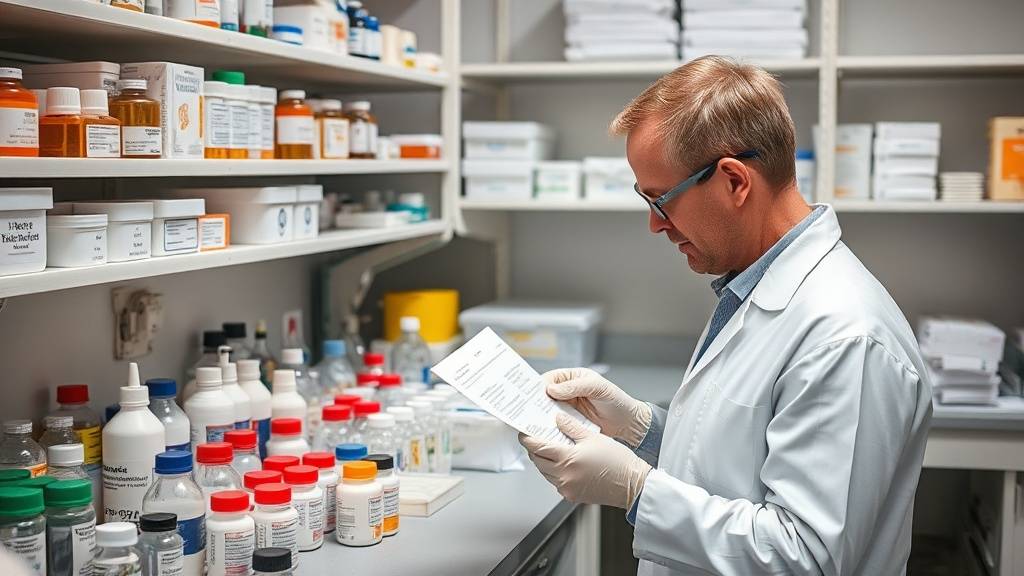
Formula analysis is a scientific evaluation process used to understand the composition, performance, and key characteristics of a chemical or cosmetic formulation.
It helps businesses make informed R&D and quality decisions — not to copy existing products, but to support independent development, quality benchmarking, or compliance verification.

Phase 1: Initial Consultation and NDA (1–2 Days)
The process begins with an initial discussion to understand your goals — whether quality review, performance optimization, or regulatory verification.
Before any samples are sent, both parties sign a Non-Disclosure Agreement (NDA) to ensure full confidentiality.
The NDA guarantees:
- Protection of all technical information shared
- Secure handling of samples and data
- Legal assurance for both parties

Phase 2: Sample Reception and Testing Agreement (2–3 Days)
Upon receiving samples, our technical team conducts a preliminary inspection to understand the product’s nature and complexity.
After this, we issue a detailed Testing Service Agreement outlining:
- Scope of testing and analytical methods
- Expected deliverables and timelines
- Responsibilities of both parties
- Payment terms and conditions
Testing begins only after both parties have signed this agreement.
Phase 3: Analytical Planning and Preliminary Tests (2–3 Days)
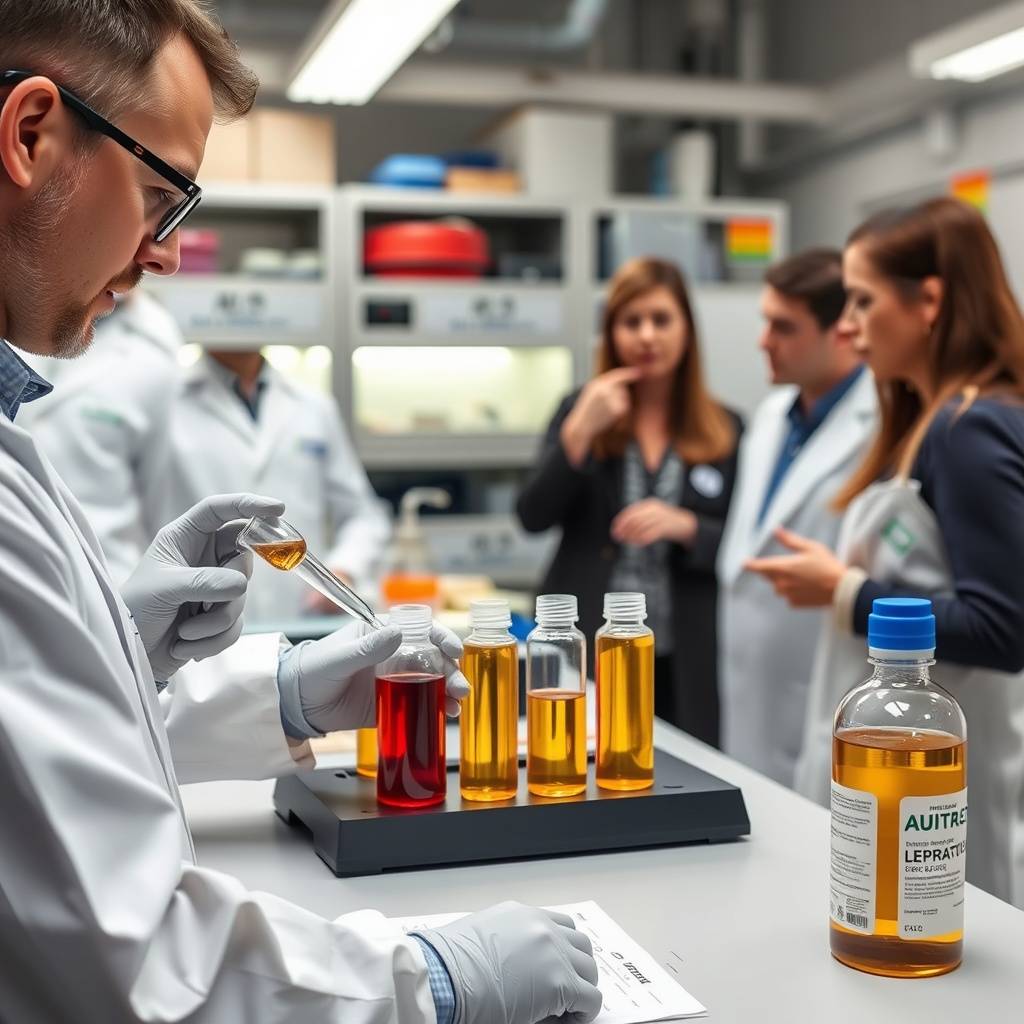
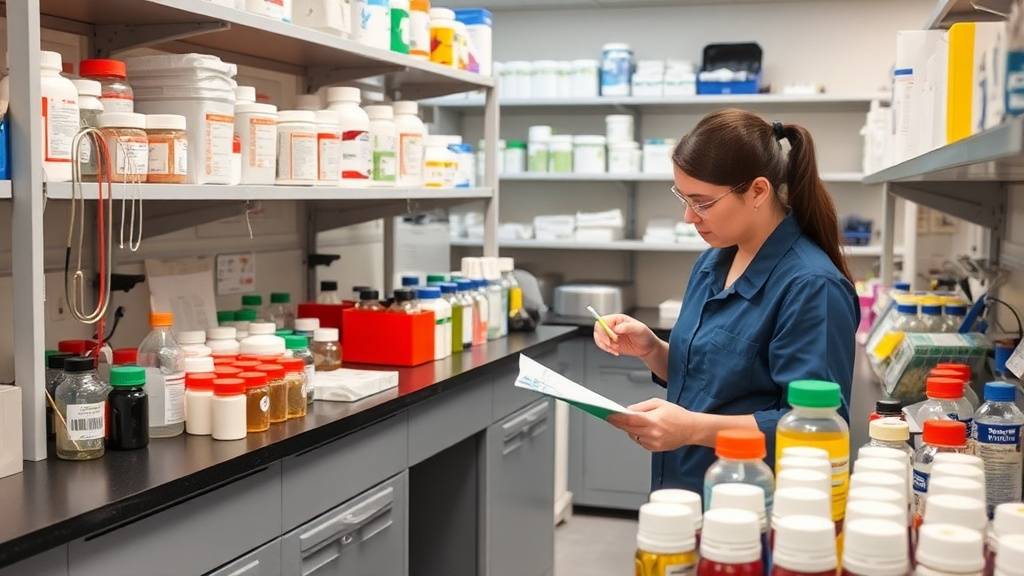
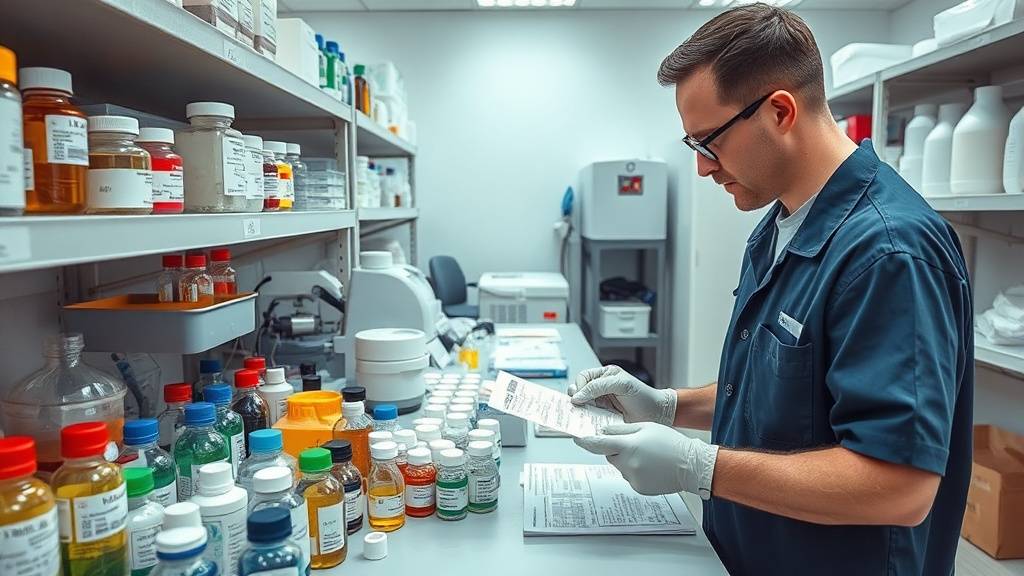
Chemists first measure physical and chemical parameters such as pH, viscosity, and density to determine suitable analytical techniques.
Every formulation type — whether skincare, coating, or cleaning agent — requires a customized testing strategy to ensure accurate results.

Phase 4: Comprehensive Instrumental Analysis (5–15 Days)
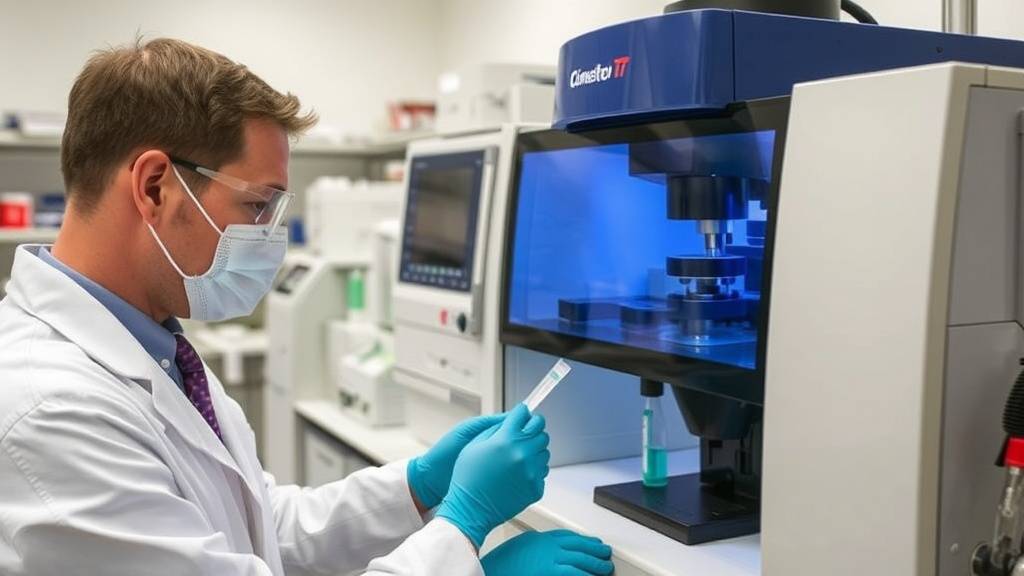
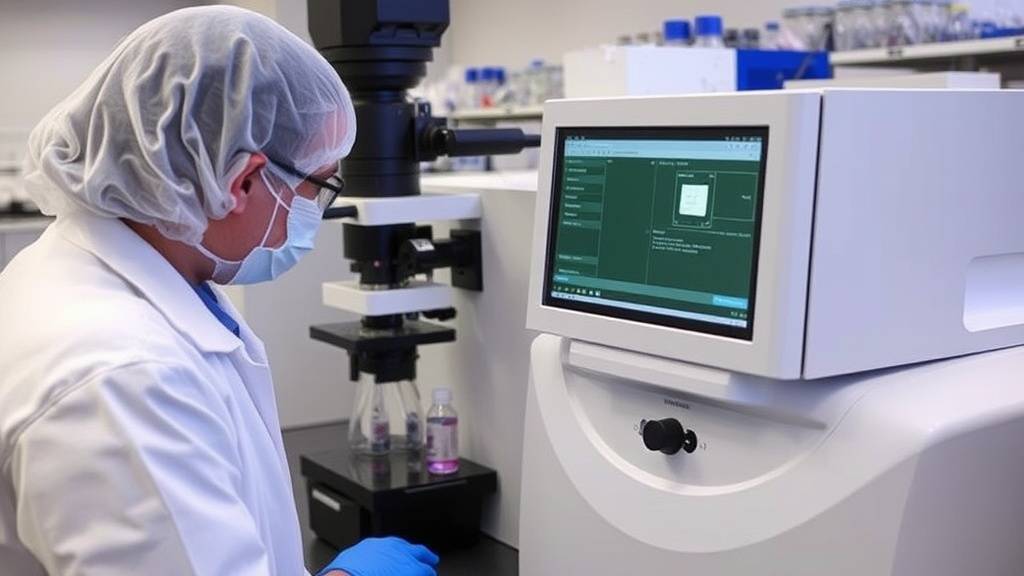
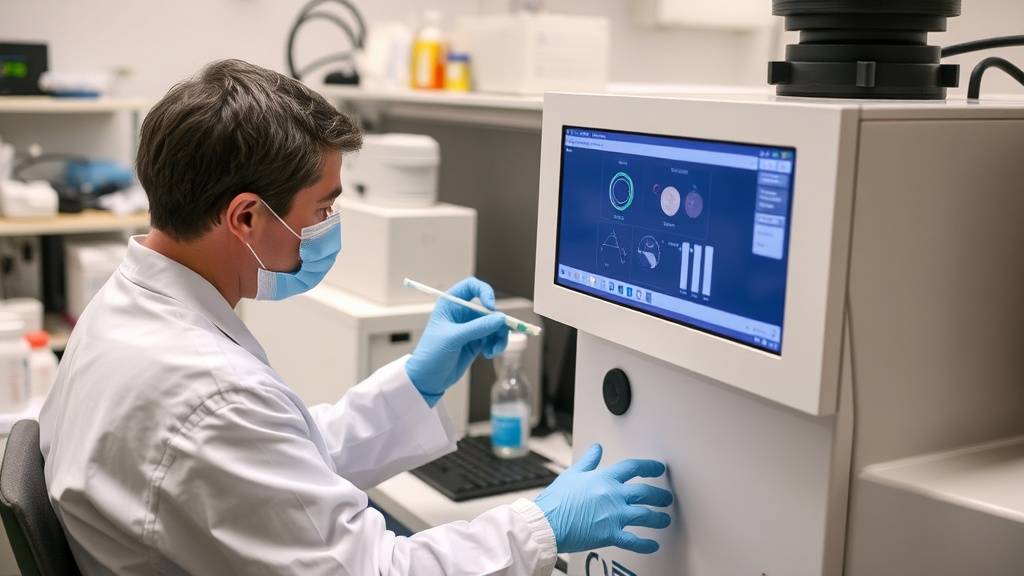
This is the most technical phase, where instruments such as GC-MS, FTIR, HPLC, and ICP-OES are used to characterize the formulation.
The analysis duration depends on complexity:
- Simple products: contain well-known ingredients with straightforward analysis pathways
- Complex systems: may involve multiple active substances, emulsions, or additives requiring advanced separation and verification
Phase 5: Data Interpretation and Quality Verification (2–5 Days)
All analytical data is cross-verified by experienced chemists.
This includes:
- Interpreting results from multiple techniques
- Validating ingredient identification
- Ensuring internal consistency of data
- Summarizing any analytical limitations
Phase 6: Report Preparation and Delivery (2–3 Days)
A professional report is then prepared, containing:
- Analytical findings and methodology used
- Concentration estimates and interpretation of results
- Notes on analytical uncertainty and sample-specific limitations
- Technical insights to assist R&D or compliance documentation
All reports are prepared for informational and research purposes only, and are not intended for replication of any proprietary formulation.
.
Phase 7: Post-Report Consultation
After the report delivery, our technical team remains available for clarification and discussion.
Clients may seek assistance in understanding test results, interpreting performance parameters, or planning further R&D based on their own product development goals.
Additional Technical Services
Depending on project objectives, follow-up support may include:
- Ingredient compatibility assessments
- Raw material sourcing advice
- Stability testing for local production
- Product safety and regulatory documentation support
These are conducted as independent R&D support projects, fully aligned with Australian IP and industrial chemical regulations.
Factors That Affect Turnaround Time
The total duration depends on:
- Product complexity and matrix type
- Availability of analytical reference materials
- Required testing depth and precision
- Regulatory or documentation requirements
- Optional accelerated testing requests
Conclusion
Formula analysis is a data-driven process balancing speed and scientific accuracy.
Simple formulations can be evaluated within two weeks, while more advanced products may require additional time for comprehensive verification.
By understanding each stage and its impact on timing, businesses can plan projects efficiently — ensuring accurate, compliant, and actionable results that support informed decision-making and long-term innovation.