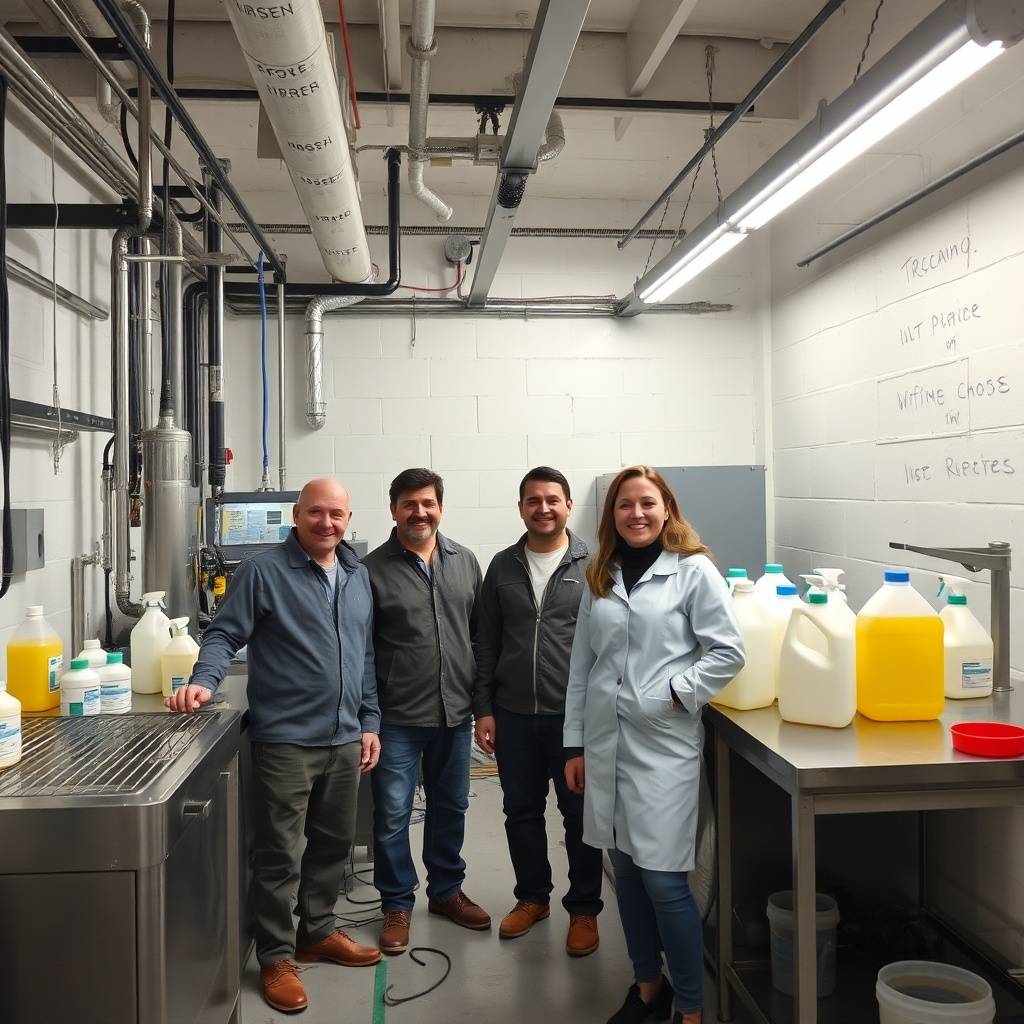
In the current global economic climate, Australian businesses are facing a quiet crisis. From the industrial hubs of Brisbane to the construction sites of Sydney, a common thread of frustration binds local entrepreneurs: the crippling reliance on expensive, imported chemical products.
Whether it’s specialized construction adhesives, high-performance cleaning agents, or agricultural adjuvants, the “Big Brand” monopoly has held the Australian market captive for decades. But the tide is turning. Today, a new generation of Aussie SMEs is realizing that they don’t need to be multi-billion dollar conglomerates to manufacture premium chemical products.
They just need the right technical key to unlock the door.

The Hidden Toll of Chemical Imports: Why the Current Model is Broken
For most Australian companies, buying imported chemical supplies feels like a safe bet. You get a recognized brand name and a consistent (albeit high) price. However, look beneath the surface, and the pain points are glaring:
1. The “Distance Tax” and Spiraling Logistics
Shipping heavy liquids or hazardous materials halfway across the globe is inherently inefficient. Australian businesses pay a massive premium for sea freight, port handling, and domestic logistics. When global supply chains stutter—as they frequently do—your project timelines are at the mercy of a container ship thousands of kilometers away.
2. The Brand Premium vs. Material Reality
When you buy an imported $60 bottle of specialized automotive detailer or a $300 pail of construction resin, you aren’t just paying for the chemistry. You are paying for the multinational’s marketing budget, their executive bonuses, and their global overheads. Often, the actual active ingredients account for less than 15% of the shelf price.
3. “One-Size-Fits-All” Doesn’t Fit Australia
Products formulated in Europe or North America are designed for their climates. A construction adhesive designed for a German winter may behave unpredictably in the humidity of a Queensland summer. Imported products lack the “local DNA” required for peak performance in our unique environment.
The Myth of “Impossible” Manufacturing
The biggest barrier preventing Australian businesses from self-manufacturing isn’t lack of capital—it’s a knowledge gap.
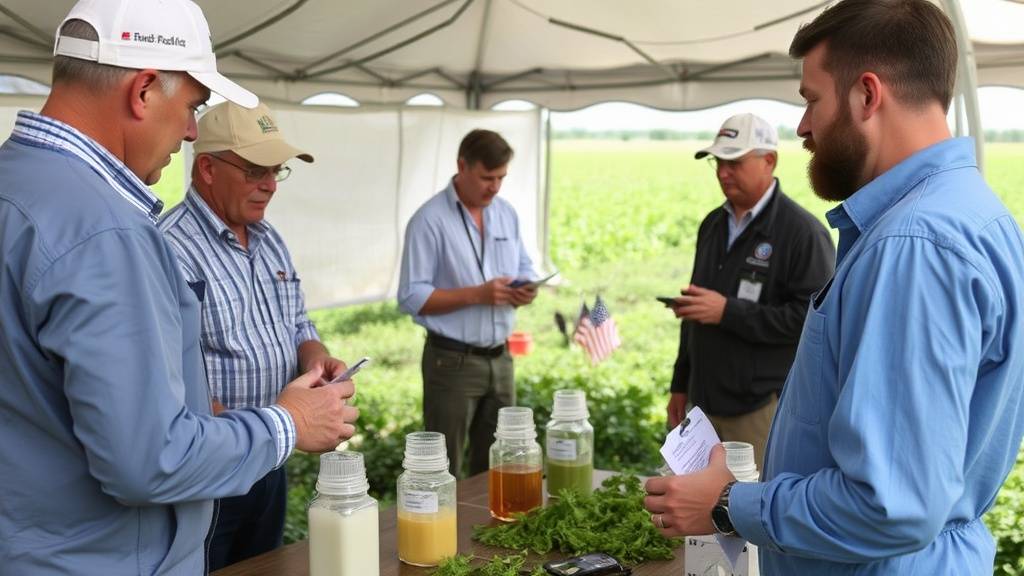
There is a persistent myth that producing high-quality chemicals requires a $50-million facility and a staff of thirty PhD scientists. The reality is far more encouraging. Many of the most profitable chemical products on the market—industrial cleaners, specialized coatings, agricultural boosters, and pool chemicals—are the result of relatively straightforward blending processes.
If you can follow a precise recipe and have access to basic mixing equipment, you can manufacture a product that rivals—or exceeds—the quality of any global brand.
What you are missing isn’t the factory; it’s the formula.

Reverse Engineering: The Smart Shortcut to Market Entry
How does a local business compete with a brand that has been in the market for 50 years? You don’t start from scratch. You start with market-proven benchmarks.
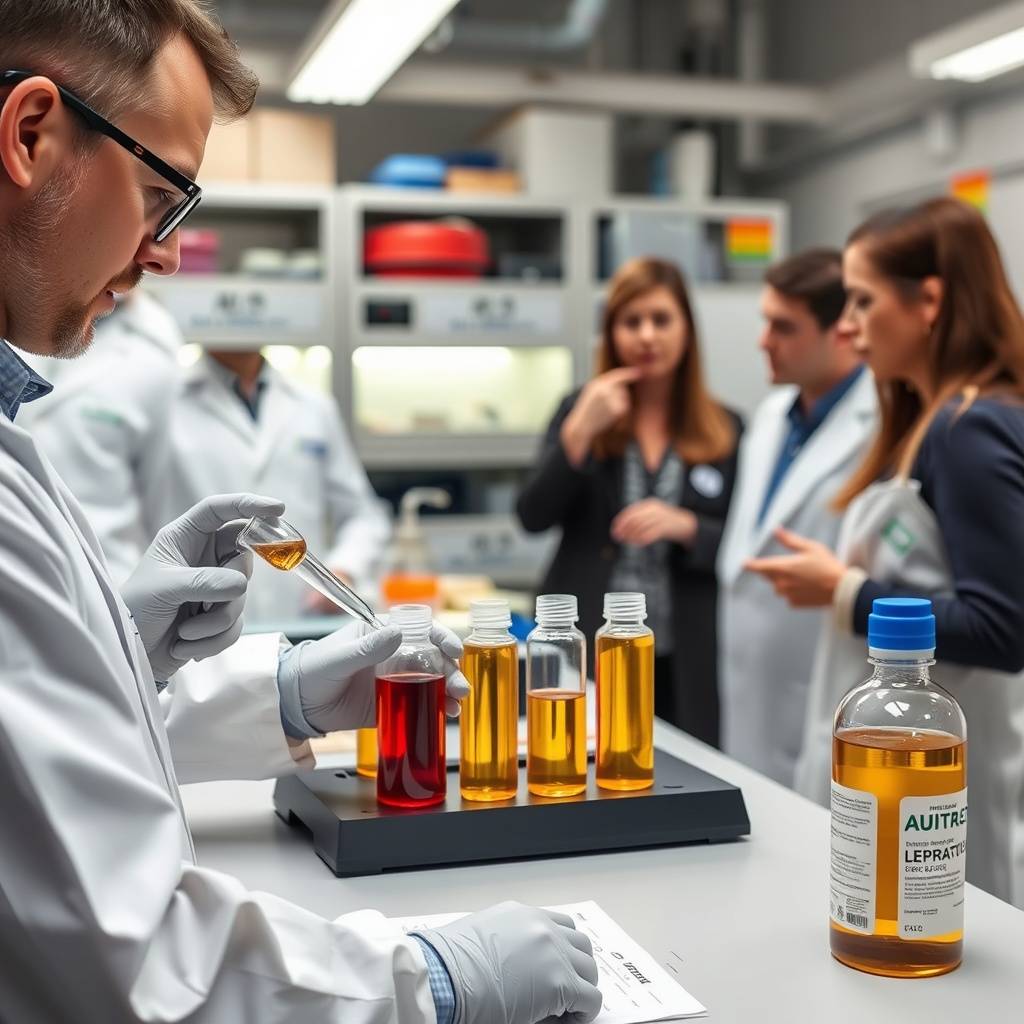
By utilizing advanced analytical chemistry, local businesses can deconstruct the most successful products on the market. Through high-resolution testing like GC-MS (Gas Chromatography-Mass Spectrometry) and FTIR (Fourier Transform Infrared Spectroscopy), we can identify the exact molecular “blueprint” of a leading product.
Why this is the Lowest-Risk Strategy:
- Market Validation: You already know the product works and that customers want it.
- Cost Efficiency: You skip years of “trial and error” R&D.
- Performance Optimization: Once you understand the base formula, you can improve it. You can make it more eco-friendly, more concentrated, or better suited for the Australian UV index.

Outsourcing the “Brain”: The Role of Third-Party Technical Partners
This is where the “Asset-Light” model comes into play. You don’t need your own laboratory. By partnering with a specialized technical consultancy, you outsource the complex R&D while retaining the intellectual property.
The Modern Formulation Journey:
- Target Selection: Identify a high-margin, high-volume product you currently buy from an importer.
- Fingerprint Analysis: A third-party lab breaks down the components and concentrations.
- Reformulation & Local Sourcing: The formula is adapted to use raw materials available from Australian suppliers to ensure supply chain stability.
- The Optimization Phase: We tweak the viscosity, the cure time, or the pH level to give you a competitive edge.
High-Growth Sectors Ripe for Australian Localization
Where should you look first? The opportunities are vast across several multi-million dollar Australian sectors:
1. Construction & Civil Engineering
From EPOXY INJECTION RESINS to CARBON FIBRE SATURANTS, the construction industry is desperate for local, cost-effective alternatives to European brands. If you can provide a locally blended adhesive with the same technical specifications, you win the contract on price and availability every time.
2. Industrial & Commercial Cleaning
The “Green” revolution is huge. By developing your own biodegradable, high-concentration degreasers or sanitizers, you eliminate the cost of shipping water and plastic, significantly increasing your margins.
3. Agricultural Adjuvants and Fertilisers
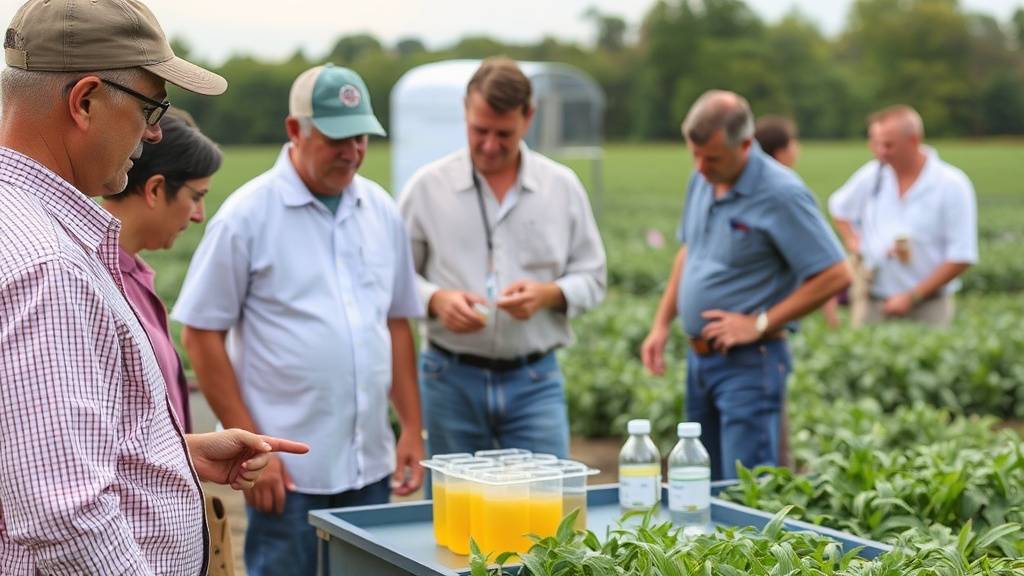
Australian farmers are increasingly looking for specialized surfactants and soil conditioners. Local production allows for rapid adjustment based on seasonal soil reports.
4. Automotive & Marine Care
High-end ceramic coatings and detailing chemicals carry some of the highest markups in the industry. These are prime candidates for local “boutique” branding.

The Path to 60% Margins: A Financial Reality Check
Consider this: An imported industrial adhesive might cost you $45 per liter at wholesale. By analyzing the formula and sourcing the raw resins and curing agents yourself, your production cost could drop to $15 per liter.
Even with the costs of a third-party lab and initial setup, the ROI is often achieved within the first few months of production. You aren’t just saving money; you are building an equity-rich business with your own IP.
Conclusion: Own Your Future
The era of being a passive consumer of expensive global brands is ending. Australian businesses now have the tools, the analytical technology, and the local raw material networks to reclaim their margins.
By focusing on Sovereign Capability, you protect your business from global shocks, provide better value to your customers, and keep the profits here in Australia.
Are you ready to stop buying and start building? The formula for your success is closer than you think.