Introduction — Why Advanced Compositional Analysis Matters
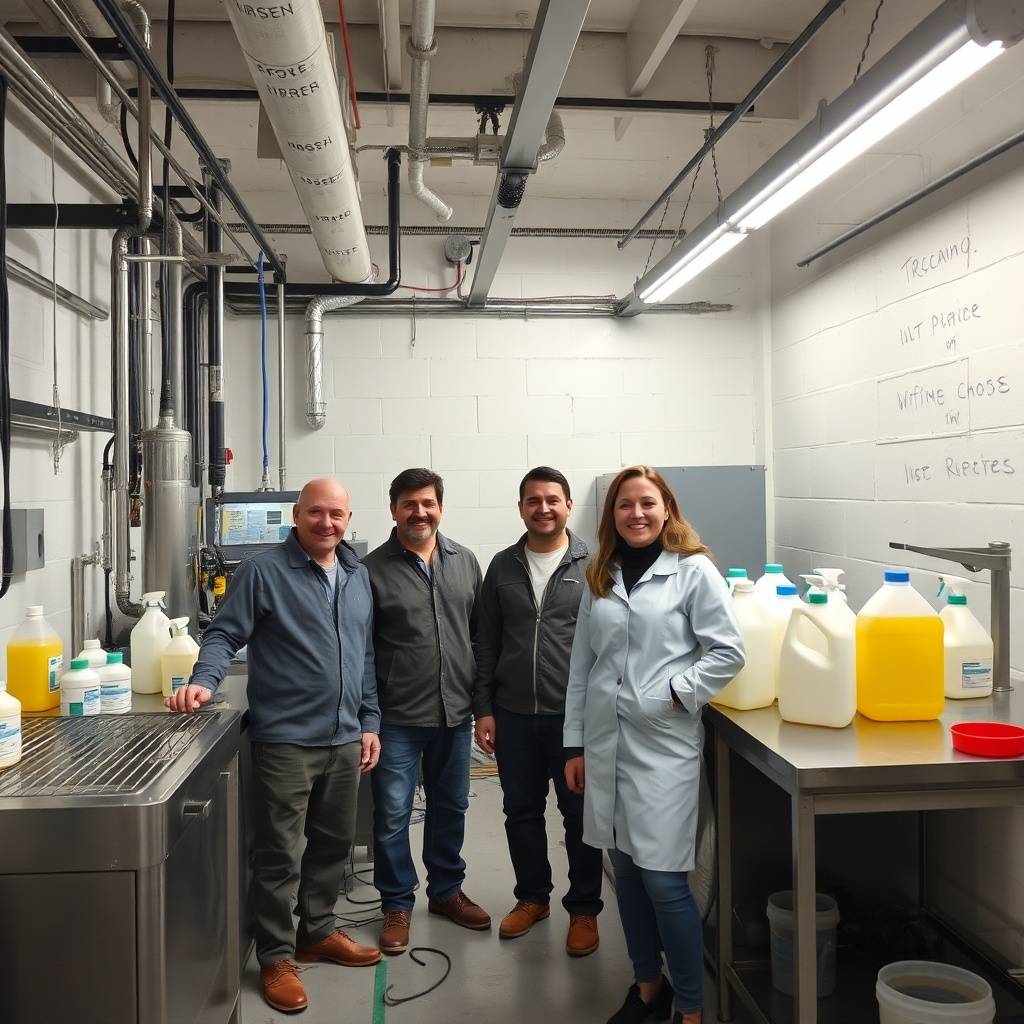
In today’s product-driven market, understanding what’s inside a successful product can give a brand a decisive advantage. Advanced compositional analysis lets manufacturers and brand owners learn the ingredients, concentrations, and functional roles within performance-leading products. For small and medium Australian businesses — from cosmetics and personal care to pet care, cleaning solutions, and industrial additives — advanced analysis cuts R&D time, reduces risk, and enables faster, more cost-effective product launches.
At Labsure (Brisbane), we specialise in deep compositional assessment and subsequent formula modification and optimization. We perform high-precision analytical testing, propose IP-risk mitigated modifications, and assist clients to scale to OEM production across Brisbane, Melbourne, Sydney, and nationwide.
Primary SEO Keywords: Advanced compositional analysis, formula modification, HPLC, GC-MS, ICP-MS, cosmetic formula analysis, pet shampoo formulation, cleaning product formulation, IP-compliant formulation.
Who Benefits from Advanced Analysis?
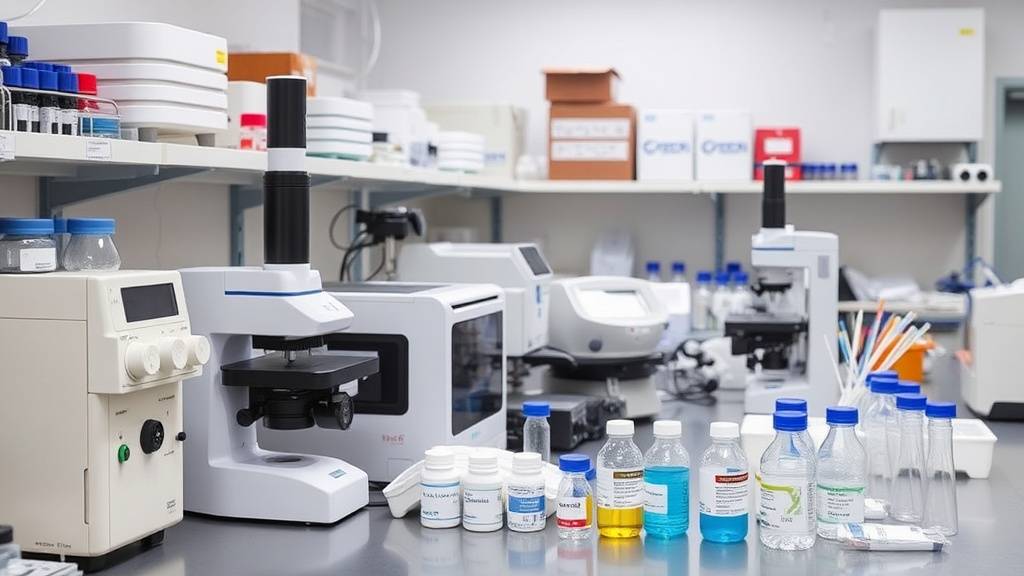
Compositional analysis is useful for a wide range of product teams and businesses:Cosmetic brands launching private-label skincare or haircare.
- Personal care and hygiene manufacturers (soaps, body lotions, serums).
- Pet care companies (shampoos, conditioners, grooming products).
- Cleaning and maintenance product suppliers (degreasers, anti-rust cleaners, industrial cleaners).
- Water treatment and agricultural additive suppliers.
- Coatings, adhesives, paints, and specialty industrial formulations.
If you’re trying to achieve a specific performance characteristic (foam, viscosity, spreadability, corrosion protection, aroma persistence) without starting from scratch, advanced analytical support is the right approach.

Core analytical techniques we use
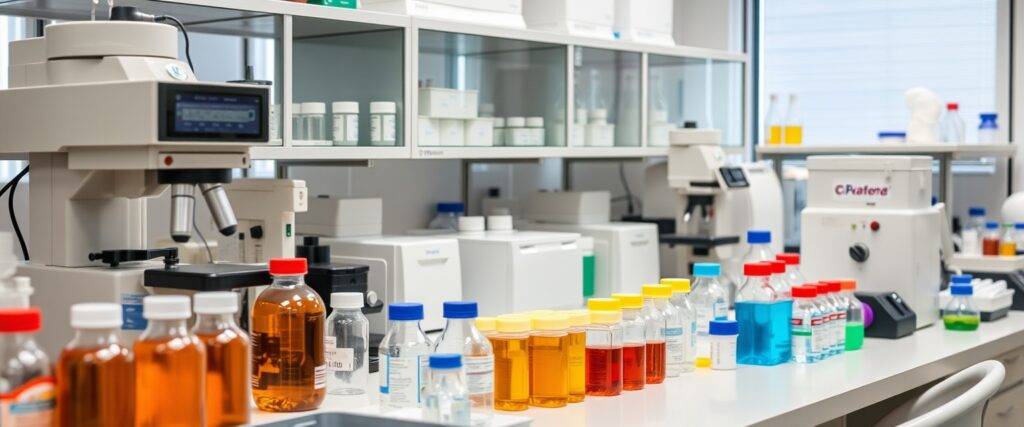
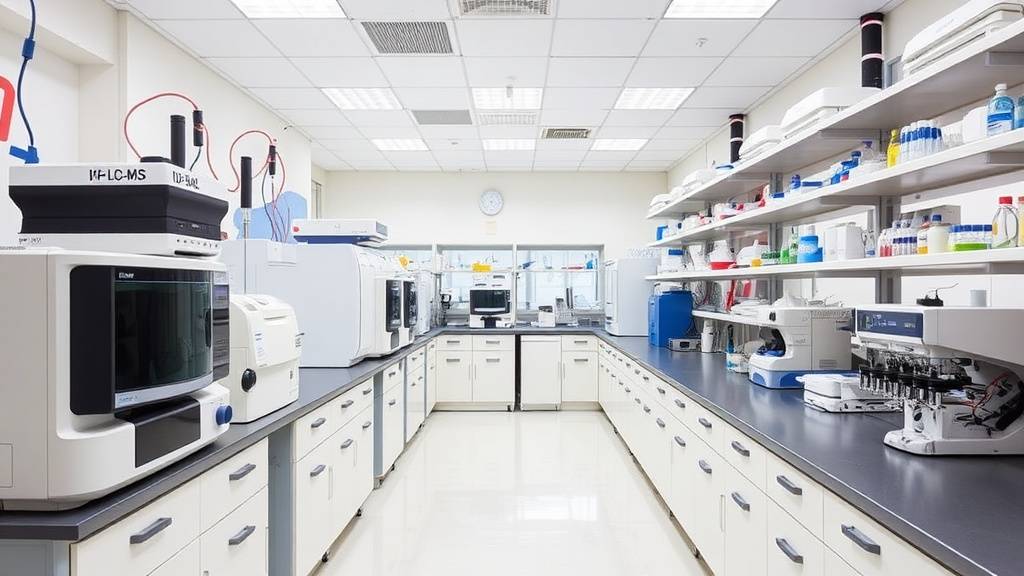
A scientifically rigorous compositional assessment integrates multiple analytical platforms. Each technique reveals specific information:
- HPLC (High Performance Liquid Chromatography)
- GC-MS (Gas Chromatography — Mass Spectrometry)
- ICP-MS & ICP-OES (Inductively Coupled Plasma — Mass/Optical Emission Spectrometry)
- IC (Ion Chromatography)
- NMR (Nuclear Magnetic Resonance)
- FT-IR (Fourier Transform Infrared Spectroscopy)
- XRF (X-Ray Fluorescence)
- Mass Spectrometry (High-resolution MS)
Why multiple techniques? No single method gives the full picture. Combining chromatography, spectroscopy, and elemental techniques builds a reliable, complete chemical structure map
Typical Analytical Workflow (Step by Step)
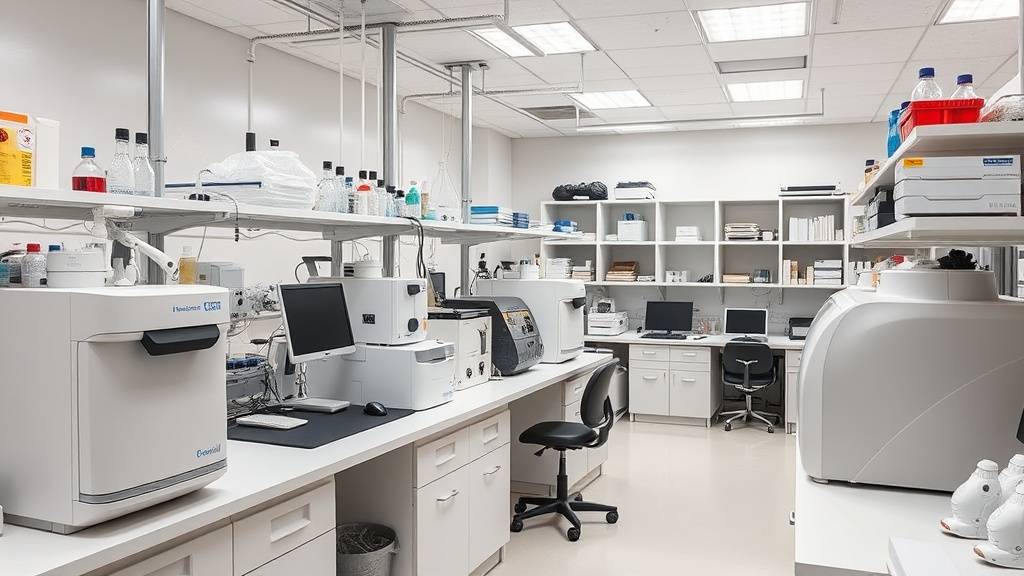
- Initial Consultation & Sample Intake: Discuss target product(s), performance goals, regulatory constraints, and whether the client wants a performance match, an IP-risk mitigated variant, or performance improvements.
- Sample Preparation & Screening
- Targeted Analysis (HPLC, GC-MS, IC, ICP-MS): Identify major components, actives, fragrance volatiles, solvents, preservatives, and inorganic ingredients.
- Quantitation
- Formulation Optimization Support: Establish a lab-scale formulation based on analytical findings, testing for appearance, rheology, foaming/stability, and performance endpoints.
- Performance & Stability Testing
- IP & Regulatory Review: Assess whether identified ingredients or combinations pose intellectual property risk ; propose modifications to maximize independent innovation while maintaining performance.
- Optimization & Final Spec: Fine-tune sensory, fragrance, shelf life, and processability; supply a full technical dossier and manufacturing recipe ready for OEM.
- OEM & Scale-up Support

What Labsure can (and cannot) do
We do:
- Full compositional identification and quantitative breakdown using HPLC, GC-MS, ICP-MS, NMR, FT-IR, XRF and IC.
- Technical formulation optimization to maximize independent innovation and improve sustainability, stability, or cost.
- Prepare manufacturing-ready specifications and assist in OEM sourcing and scale-up.
- Provide clear technical reports and consultation on regulatory considerations.
We do not claim:
- Regulatory certification or legal patent prosecution services (we can provide IP risk mitigation advice but not legal representation).
- Where specific third-party certification (e.g., organic certifiers, medical device regulation) is required, we can advise but certification must be sought through the appropriate bodies.
Note: Labsure operates from Brisbane and supports clients across Melbourne, Sydney and throughout Australia.

Legal & Ethical Considerations
Compositional analysis is powerful — but there are legal and ethical boundaries:
- Intellectual Property (IP): Reproducing a patented product may infringe patent rights even if the formulation is analytically derived. Labsure includes IP-risk assessment and proposes alternative ingredient strategies to mitigate infringement risk. Always consult IP counsel for binding legal advice. (Modified patent language).
- Trade secrets & confidentiality
- Label claims & compliance
Deliverables You Can Expect
A typical compositional assessment project yields:
- Detailed analytical report (component ID, concentrations, method summaries).
- Lab-scale prototype formula(s) with step-by-step preparation instructions.
- Stability and performance test results…
- IP-risk assessment and proposed ingredient substitutions.
- Manufacturing specification for OEM, including raw material grades, suggested suppliers and QC parameters.
Practical timelines & costs (what to expect)
Timelines depend on complexity:
- Simple water-based cleaner or hand gel: 2–4 weeks.
- Complex emulsion cosmetics (creams, serums): 4–8 weeks (includes stability testing).
- Industrial formulations with metal inhibitors or coatings: 3–6 weeks depending on required testing.
Costs vary widely by technique and depth of analysis. Projects requiring multiple quantitative techniques (HPLC quantitation, GC-MS profiling, ICP-MS elemental analysis, NMR confirmation) cost more than a basic screen. Labsure provides quotes after an initial scope discussion and sample review.
Measurable outcomes & KPIs (sample indicators)
When you commission analytical and formulation optimization work, useful KPIs include:
- Performance parity: Lab & field tests show the new formula achieves or exceeds original performance metrics
- Stability improvement
- Regulatory/environmental improvement
- Time to production
- Cost per litre
Each of these KPIs can be quantified in your technical dossier and used to measure ROI.
Case examples (anonymised)
- Pet care brand: analyzed three top-performing shampoos three best-performing shampoos, recommended natural fragrance replacements and produced OEM-ready specs. Result: private-label launch within three months and improved customer scent preference in consumer testing.
- Industrial maintenance group: decoded degreaser and rust-looseners, optimized formulation to lower VOCs and ensure local disposal compliance; outcome: reduced regulatory risk and new white-label product line for service centres.
- Cosmetics e-retailer: worked from performance-proven serums to produce a stable, more cost-effective formulation adapted for Australian climate and consumer feel.
How to prepare when engaging a lab for formulation analysis
To speed up the process and reduce cost:
- Provide clear objectives (e.g., the target performance standards you want to achieve or improve).
- Send representative product samples (including any batch codes). Multiple batches are helpful for variability checks.
- Share any regulatory, formulation, or sourcing constraints (e.g., “no animal-derived ingredients”, “must be ECOCERT-compatible”).
- Sign an NDA if confidentiality is important.
- Be prepared to discuss scale: small-batch proof vs large OEM runs.
FAQs
Q: Is advanced compositional analysis legal?
A: Yes, when done ethically. Analysing a commercial product for research and development is common practice. However, creating products that fall under existing patent claims without a license can infringe patents. Labsure helps assess intellectual property risk and provides mitigation strategies, but legal advice is always recommended for definitive counsel.
Q: Can you guarantee an exact match?
A: Our goal is to achieve functional parity with the desired performance standard. Exact matches of complex fragrance profiles or proprietary polymers can be difficult; we focus on delivering a manufacturable, compliant formula that meets your performance goals.
Q: Do you handle GMP/OEM manufacture?
A: Labsure prepares manufacturing-ready specifications and assists in OEM sourcing. We do not provide third-party certification ourselves, but we support clients through scale-up and supplier selection.
Q: Are your reports confidential?
A: Yes — work is conducted under client confidentiality agreements where requested.
Final thoughts — Is Advanced Compositional Analysis Right For You?
If you need speed to market, want to reduce R&D expenditure, or require clarity on the composition and function of performance-leading products — advanced compositional analysis is a strategic, technical, and cost-effective pathway. Combined with smart formulation optimization (to manage IP risk, improve sustainability, or optimise cost), it equips brands with the technical baggage to compete, innovate, and scale

Ready to take the next step?
Labsure is based in Brisbane and supports clients across Melbourne, Sydney and all of Australia. We specialise in advanced compositional analysis for cosmetics, personal care, pet care, cleaning agents, water treatment chemicals, agricultural additives, adhesives, and coatings. Our analytical toolset includes HPLC, GC-MS, ICP-MS, IC, NMR, FT-IR, XRF, and high-resolution mass spectrometry — enabling robust identification, quantitation, and formula optimization.
Get in touch:
📧 info@labsure.com.au
🌐 labsure.com.au
☎️ 1300 50 8536