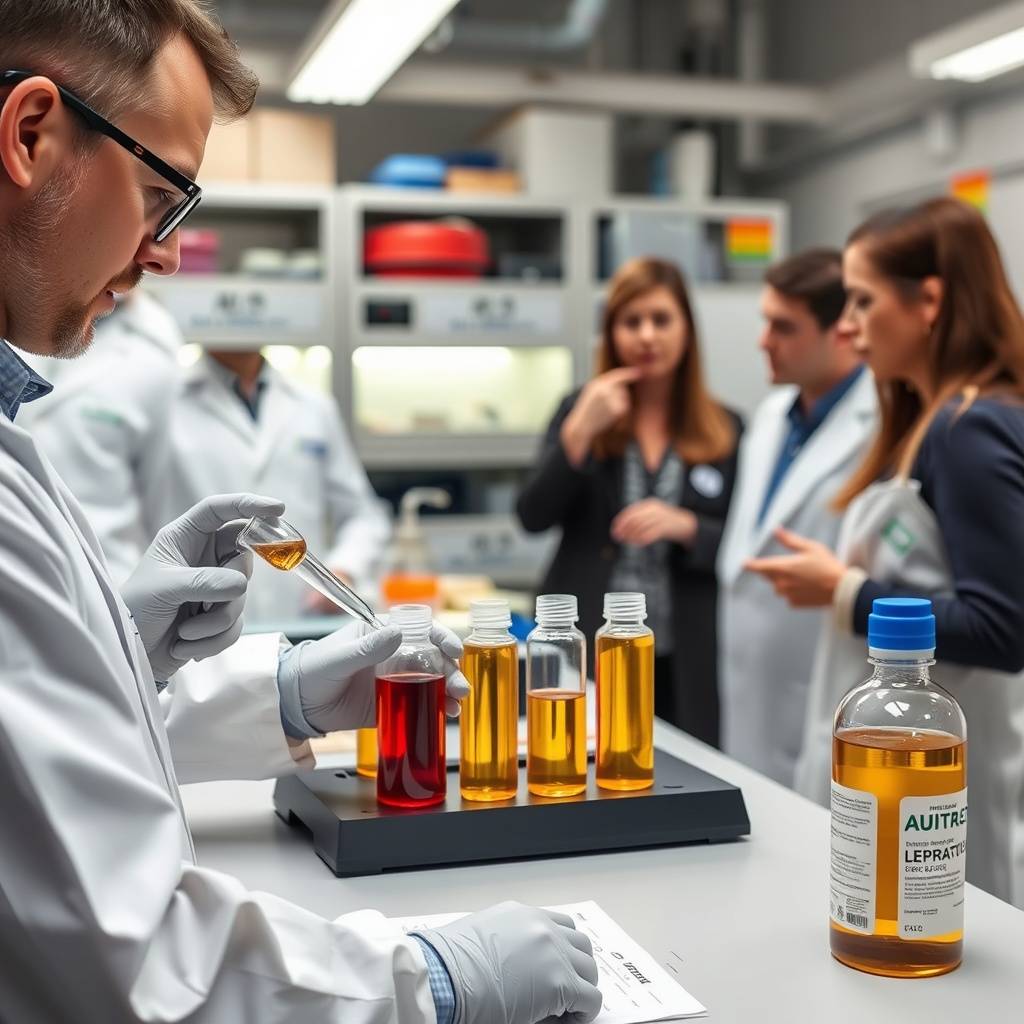
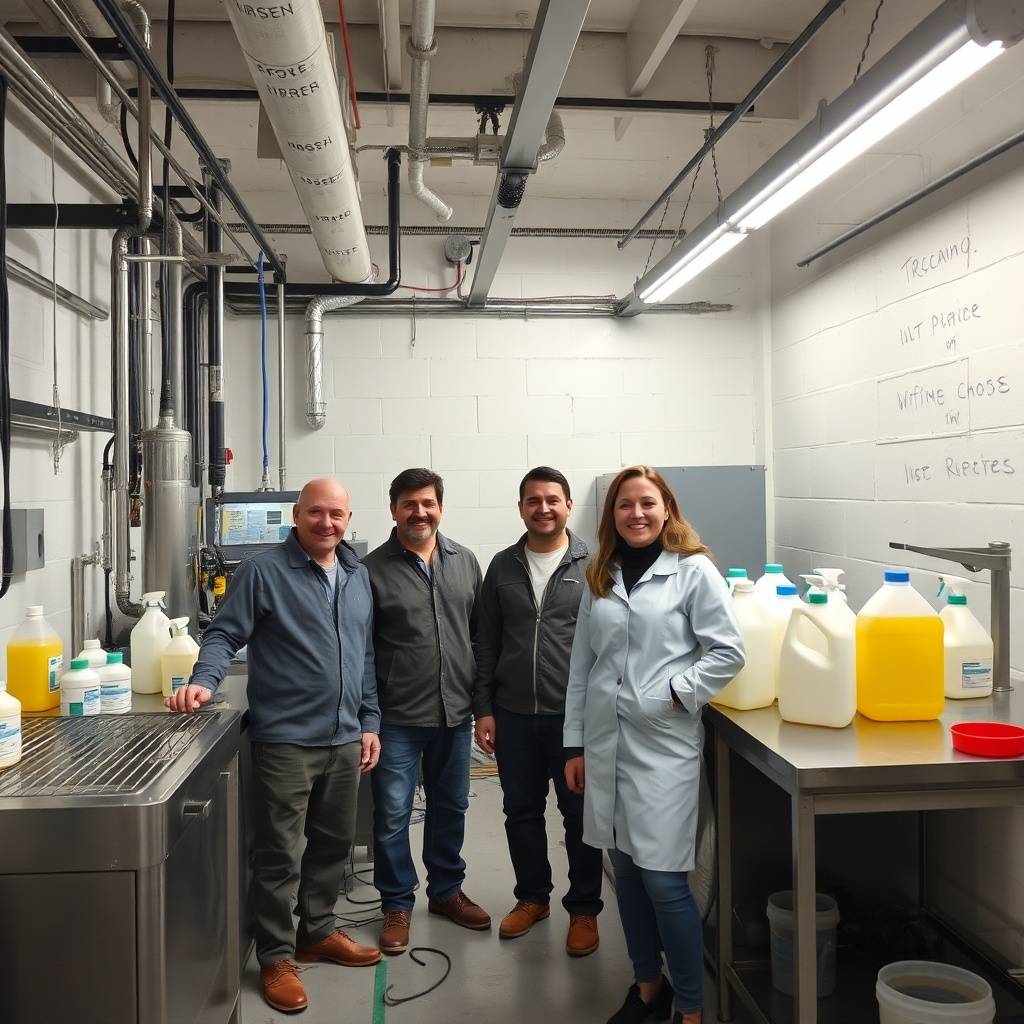
In the modern coatings industry, the gap between a boutique manufacturer and a global giant isn’t just about the size of the lab—it’s about the precision of the data. Whether you are developing high-performance Acrylic Polyurethane coatings, sustainable water-based architectural paints, or next-generation eco-friendly industrial finishes, the path to market leadership is often hidden within the chemical DNA of the industry’s most successful products.
For many SMEs, the traditional R&D cycle—years of trial and error, massive laboratory overhead, and unpredictable outcomes—is a barrier to entry. However, a smarter, leaner methodology is emerging: Strategic Deformulation and Optimization.

1. The Power of Competitive Benchmarking: Beyond Traditional R&D
Success in the coatings market rarely requires reinventing the wheel. The most efficient way to enter a niche is to understand what is already performing at the top of the market.
By utilizing comprehensive formulation analysis, a company can dissect a “gold standard” product to understand its exact chemical composition. This isn’t about mere imitation; it’s about Competitive Intelligence. When you understand the specific binders, pigments, solvents, and additives used in a market-leading Acrylic Polyurethane, you gain a blueprint for quality that would otherwise take years to discover through manual testing.
Key Benefits of This Approach:
- Drastic Risk Reduction: You start with a proven performance baseline.
- Cost Efficiency: No need for a multi-million dollar in-house testing facility.
- Speed to Market: Reduce development time from years to months.
2. Water-Based Coatings: Navigating the Complexities of Eco-Friendly Formulation
The global shift toward Low-VOC (Volatile Organic Compounds) and water-based systems has introduced significant technical hurdles. Formulating a water-based paint that matches the durability and gloss of solvent-based alternatives is a chemical balancing act.
Through Formulation Analysis, we help manufacturers identify the sophisticated surfactant packages and rheology modifiers that make top-tier eco-friendly coatings work.
- Resin Analysis: Identifying the exact latex or acrylic emulsions used for adhesion.
- Additive Profiling: Dissecting the anti-foaming agents and thickeners that provide that “premium” brush-feel.
3. Acrylic Polyurethane: Engineering Industrial Excellence
For industrial applications requiring high UV resistance and chemical durability, Acrylic Polyurethanes are the industry standard. However, the ratio of isocyanate crosslinkers to acrylic polyols is critical.
A professional deformulation report provides:
- Monomer Identification: Knowing exactly which building blocks are used.
- Pigment Volume Concentration (PVC): Understanding the balance between cost and performance.
- Crosslink Density: Ensuring your product lasts as long as the “Big Brand” competitors.
4. Turning Data into Innovation: The Optimization Phase
Analyzing a successful market product is only step one. The real magic happens during Optimization.
Once the “Analysis Phase” is complete, you have a solid foundation. From there, you can adapt the formula to better suit your specific market needs. Perhaps you need a version that dries faster in humid climates, or a version that is more cost-effective for the residential market.
“Data gives you the floor; innovation gives you the ceiling.” By starting with a known successful formulation, your R&D efforts are focused on improvement rather than discovery. This allows smaller manufacturers to produce coatings that are not just “as good as” the big brands, but specifically tailored to underserved market gaps.

5. Competing with Global Giants Without a “Mega-Lab”
The most significant myth in the chemical industry is that you need a 50-person laboratory to produce high-end coatings. By partnering with a specialized Formulation Analysis Laboratory, SMEs can access:
- GC-MS (Gas Chromatography-Mass Spectrometry)
- FTIR (Fourier Transform Infrared Spectroscopy)
- NMR (Nuclear Magnetic Resonance)
These tools provide a level of clarity that allows a small team to mix and manufacture professional-grade coatings in a standard blending facility. You don’t need to be the giant; you just need to know what the giant knows.
6. Conclusion: The Smart Path to Market Leadership
The coatings market is evolving rapidly. Whether you are targeting the DIY consumer with water-based eco-paints or the industrial sector with high-performance polyurethanes, the “Information First” approach is the most sustainable way to grow.
By leveraging Chemical Deformulation, you bypass the high-risk “guessing” stage of R&D. You gain a deep, molecular understanding of market success, allowing you to optimize, innovate, and out-maneuver larger, slower competitors.