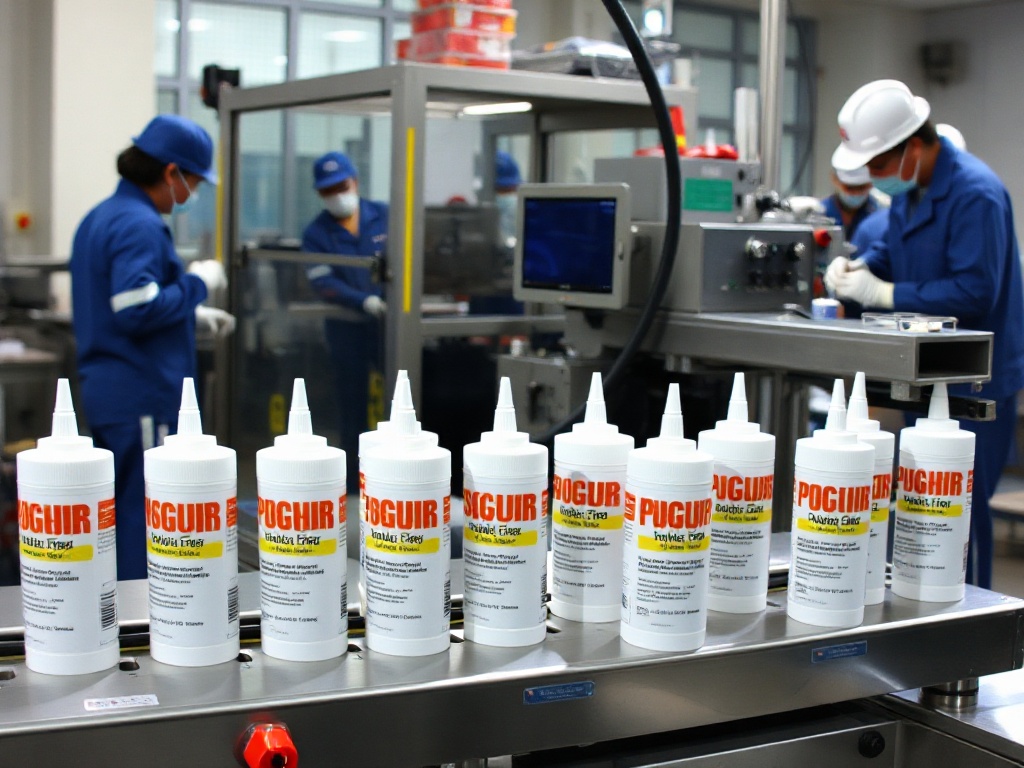
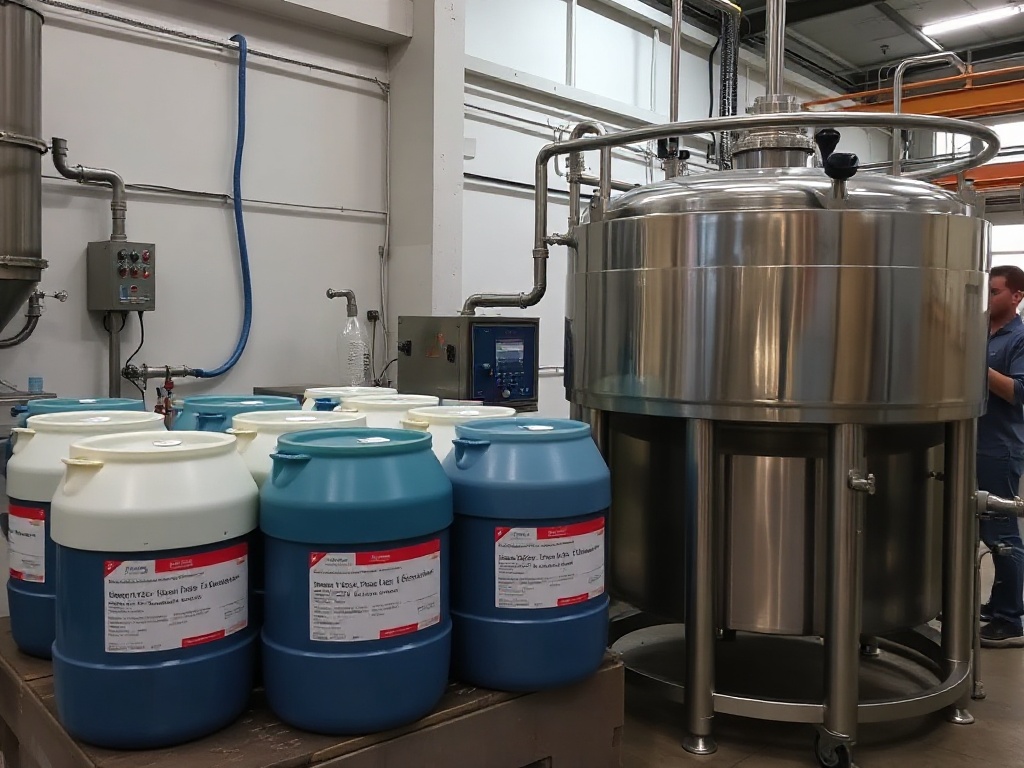
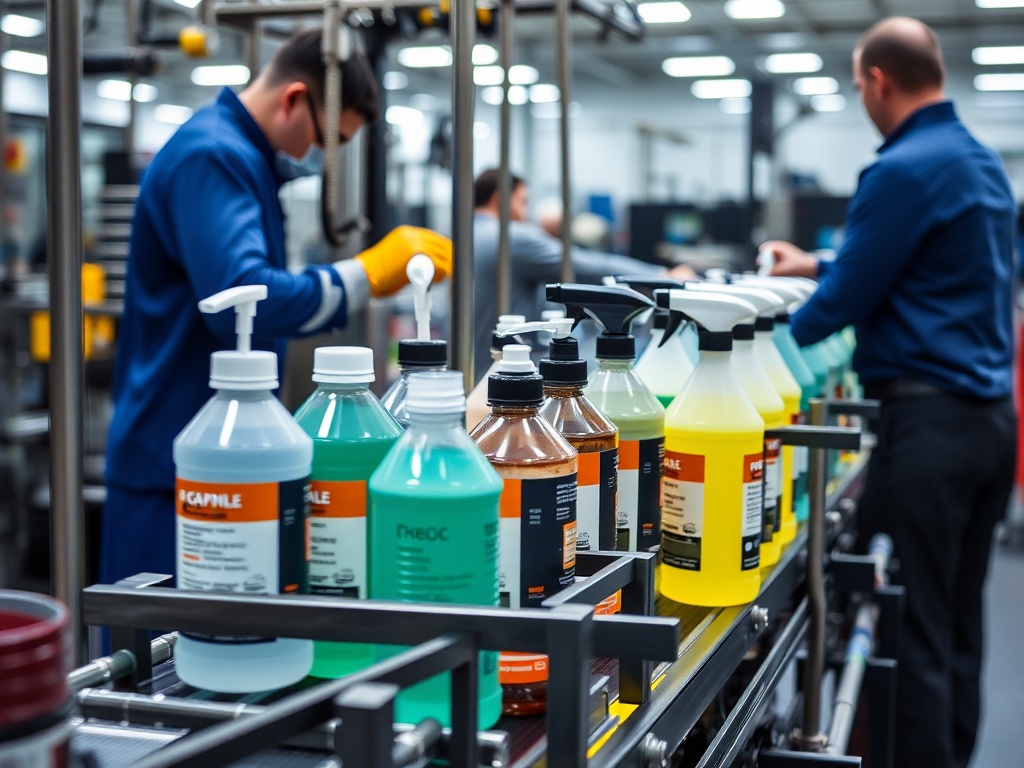
For many Australian entrepreneurs, developing a new cleaning, cosmetic, or specialty chemical product is exciting — but the upfront R&D and production costs can seem overwhelming. The good news is, with the right strategy, even small startups can successfully bring chemical products to market without spending a fortune. This guide explains how to minimize costs at every stage — from formulation to testing and production — while maintaining quality and compliance.
1. Understand Your Market Before Spending on R&D
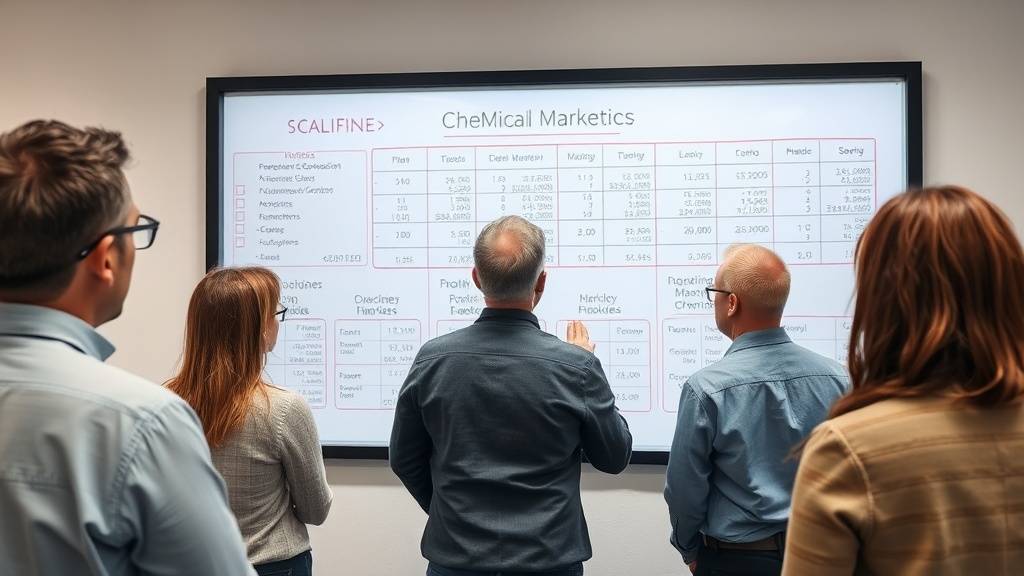
Before investing in lab work or materials, start with market validation. Research which segment your product will serve — for example, eco-friendly household cleaners, pet shampoos, or industrial degreasers.
- Identify customer pain points: Talk to potential users, browse competitors’ reviews, and understand what current products fail to deliver.
- Define a clear product promise: Whether it’s “longer-lasting fragrance” or “biodegradable performance,” one focused benefit can help you stay efficient with R&D resources.
- Use small-scale surveys or landing pages to test demand before you spend money on formulation.
This early validation can help you avoid developing a product no one needs — saving thousands of dollars later.
2. Start with an Existing Formula or Modify a Base
Creating a completely new formulation from scratch is expensive and time-consuming. Instead, consider:
- Adapting open or standard formulations that already exist in the public domain or supplier technical sheets.
- Working with formulation partners who can customize a base formulation to meet your target performance or marketing claims.
- Using off-the-shelf ingredients that are available locally in Australia to reduce lead time and freight costs.
By starting from a known formula base, you can drastically reduce trial-and-error work in the lab and focus your budget on testing and improvement.
3. Collaborate with Local or Remote R&D Partners
Many startups cannot afford a full-time chemist or an in-house laboratory. Outsourcing your R&D to specialized independent formulation service providers can help you:
- Access professional lab facilities without capital investment.
- Obtain data-driven formulation insights, such as ingredient compatibility and performance testing.
- Receive guidance on ingredient sourcing, stability testing, and product optimization.
Look for providers that offer tiered service packages — for example, initial formulation design, lab sample optimization, and scale-up support. Choosing the right service level can keep costs predictable while still achieving professional results.

4. Use Pilot Batches and Micro-Production to Test the Market
Instead of immediately jumping to mass production, start small.
- Pilot production runs (even 20–50 units) allow you to test packaging, labelling, and performance feedback from real users.
- Micro-manufacturing facilities or contract manufacturers in Australia can handle small batches for reasonable fees.
- Digital marketplaces such as Amazon Australia, Etsy, or your own Shopify store let you gather feedback without committing to high inventory.
This approach lets you refine your formula, positioning, and price point before scaling up — minimizing both waste and financial risk.
5. Source Smartly — Local Suppliers and Bulk Sharing
Chemical ingredients and packaging can consume much of your initial budget. To save costs:
- Buy from local distributors who stock raw materials commonly used in cleaning, cosmetic, or industrial formulations.
- Compare suppliers’ sample pack options — many offer small-quantity orders for startups.
- Join startup or maker communities to share bulk purchases with other small producers.
Choosing Australian suppliers not only cuts shipping costs but also reduces delays and compliance risks associated with importing chemicals.

6. Focus on Compliance and Quality from the Start
Even with a limited budget, your product must still meet Australian safety and labeling requirements. Failing to plan for compliance can lead to costly rework later.
- Keep accurate formulation records, including ingredient names, percentages, and CAS numbers.
- Follow local labeling guidelines, such as proper hazard symbols and precautionary statements when applicable.
- Partner with testing labs that provide basic safety or stability tests suitable for small runs.
Prioritizing quality and transparency builds trust with customers and retailers — helping your brand stand out even with a modest marketing budget.
7. Leverage Digital Tools to Build Brand Visibility
You don’t need a big marketing budget to build awareness. Simple, consistent online activity can attract potential customers:
- Create a professional website with clear product descriptions and keyword-optimized content.
- Share behind-the-scenes development updates on LinkedIn or Instagram to build authenticity.
- Offer free samples or trials to small distributors or niche stores for word-of-mouth promotion.
Focus on SEO-friendly keywords such as “Australian cleaning product manufacturer,” “eco-friendly formula,” or “custom formulation services.” These help your site appear in relevant local searches.

8. Plan for Scale — Step by Step
Once your product gains traction, you can gradually reinvest profits into scaling:
- Refine and stabilize the formulation after user feedback.
- Negotiate better pricing with suppliers as order volumes increase.
- Upgrade packaging and branding for wider retail appeal.
- Outsource larger production runs to contract manufacturers.
A phased approach prevents cash-flow pressure and ensures you grow sustainably, with each step supported by real sales data.
9. Key Takeaway: Innovation Doesn’t Always Require Big Budgets
Launching a chemical product in Australia no longer means you need a corporate-sized lab or million-dollar funding. With market research, smart outsourcing, and digital tools, startups can develop, test, and commercialize innovative chemical products on lean budgets.
The core principle is focus and flexibility — focus on solving a specific market problem, and remain flexible in how you develop and source your product.
When you combine creativity with careful financial planning, your startup can move from idea to product launch faster — and with far less risk — than you might imagine.