For small and medium-sized businesses developing new products—whether in cosmetics, personal care, pet care, adhesives, cleaning agents, coatings, agricultural adjuvants, water treatment, or even plastics—research and development (R&D) is the foundation of innovation and growth. However, one critical question often arises early in the journey:
Should you build your own R&D team or outsource formulation development to a specialist lab?
This decision has major implications for your costs, speed to market, and long-term competitiveness. In this article, we break down the real costs of in-house R&D, the advantages of outsourced formulation services, and how small businesses can use outsourcing to launch high-quality products faster and with lower risk.

Why R&D Matters for Product Success
Every successful product starts with a well-designed formulation—the recipe that determines its performance, stability, safety, and user experience. Whether it’s a gentle shampoo, a high-performance industrial cleaner, or a durable adhesive, your formula defines your brand’s quality and reputation.
Without proper formulation work—ingredient compatibility testing, stability studies, process optimization, and regulatory checks—your product may face:
- Separation or instability
- Customer complaints
- Short shelf life
- High manufacturing waste
- Compliance or labelling issues
This is why R&D is not a cost—it’s an investment. But how you structure that investment depends on your business size, budget, and stage of development.

The True Cost of In-House R&D
Setting up an internal R&D lab might seem appealing—complete control, confidentiality, and quick testing cycles—but it comes with significant hidden costs and operational challenges.
1. Equipment and Facility Investment
Creating even a small-scale R&D lab requires:
- Mixers, homogenizers, and precision scales
- Ovens, incubators, and temperature-controlled storage
- Glassware, safety cabinets, and ventilation systems
- pH meters, viscometers, and other instruments
These upfront investments can easily exceed AUD $30,000–$100,000, depending on the complexity of your products.
2. Ingredient and Sample Costs
You’ll need to purchase small quantities of raw materials—often at retail prices rather than wholesale—and pay for packaging, test containers, and consumables.
3. Skilled Personnel
Hiring an experienced chemist or formulator can cost between AUD $70,000–$120,000 per year in Australia, excluding superannuation and insurance.
4. Compliance and Safety
In-house labs must follow strict safety, storage, and waste management regulations, particularly for chemicals. Setting up documentation systems and Material Safety Data Sheets (MSDS) adds more time and cost.
5. Trial and Error
New teams often face steep learning curves. Early mistakes—unstable samples, incompatible ingredients, or inaccurate measurements—can waste time and materials.
Bottom line:
In-house R&D offers long-term control but demands heavy upfront investment and ongoing management. For small brands, it can slow down product launch and consume cash flow.

The Advantages of Outsourced Formulation Services
Outsourced formulation—working with a professional lab or formulation service provider—allows you to leverage scientific expertise without the cost of building your own facility. For small businesses, this model provides flexibility, speed, and access to advanced technical capabilities.
Here’s how outsourcing can help across different industries:
1. Cosmetics and Personal Care
For skincare, haircare, or body products, outsourced R&D can:
- Develop stable, safe, and appealing formulations
- Match or improve existing benchmark products
- Select compliant ingredients for global markets (e.g. AICIS, EU, FDA)
- Conduct stability and compatibility testing
- Provide full documentation for contract manufacturers
This allows your brand to focus on branding, packaging, and marketing while experts handle the chemistry behind the scenes.
2. Pet Care Products
Professional formulators understand the safety limits for animals and can create:
- Shampoos and conditioners with gentle surfactants
- Odour-control sprays and wipes
- Skin-soothing balms and grooming solutions
- Pet-safe cleaning agents
They ensure the formula is effective yet safe for both pets and their owners.
3. Adhesives and Sealants
Outsourced labs can:
- Design formulations with optimal bonding strength and drying time
- Adjust viscosity for different applications
- Improve heat and solvent resistance
- Test against industrial standards
These improvements can make your product more competitive without building a full chemical lab.
4. Industrial and Household Cleaning Products
An external formulation team can:
- Develop high-efficiency surfactant systems
- Reduce production costs through raw material optimisation
- Improve foaming, rinsing, or biodegradability properties
- Create concentrated or eco-friendly versions
- Troubleshoot existing formulation issues (e.g. sedimentation, separation)
This allows small manufacturers to compete with large brands using professional-grade formulas.
5. Agricultural Adjuvants and Water Treatment Products
Outsourcing R&D helps you:
- Design dispersants, wetting agents, or emulsifiers for agricultural use
- Optimise formulation stability with different active ingredients
- Adjust pH and viscosity for better field performance
- Ensure compatibility with local regulations and water quality
For water treatment chemicals, labs can test and refine formulas for anti-scaling, corrosion inhibition, or biocidal performance.
6. Coatings and Paints
External labs can help with:
- Pigment dispersion stability
- Resin compatibility and curing optimisation
- Gloss, adhesion, and hardness testing
- VOC compliance and performance evaluation
Outsourcing helps small coating companies produce professional-grade finishes without heavy R&D investment.
7. Plastics and Polymer Products
Formulation specialists can:
- Recommend additives, stabilizers, and plasticizers
- Improve UV resistance, flexibility, or flame retardancy
- Evaluate process compatibility and long-term stability
This shortens the time from idea to production and improves consistency across batches.
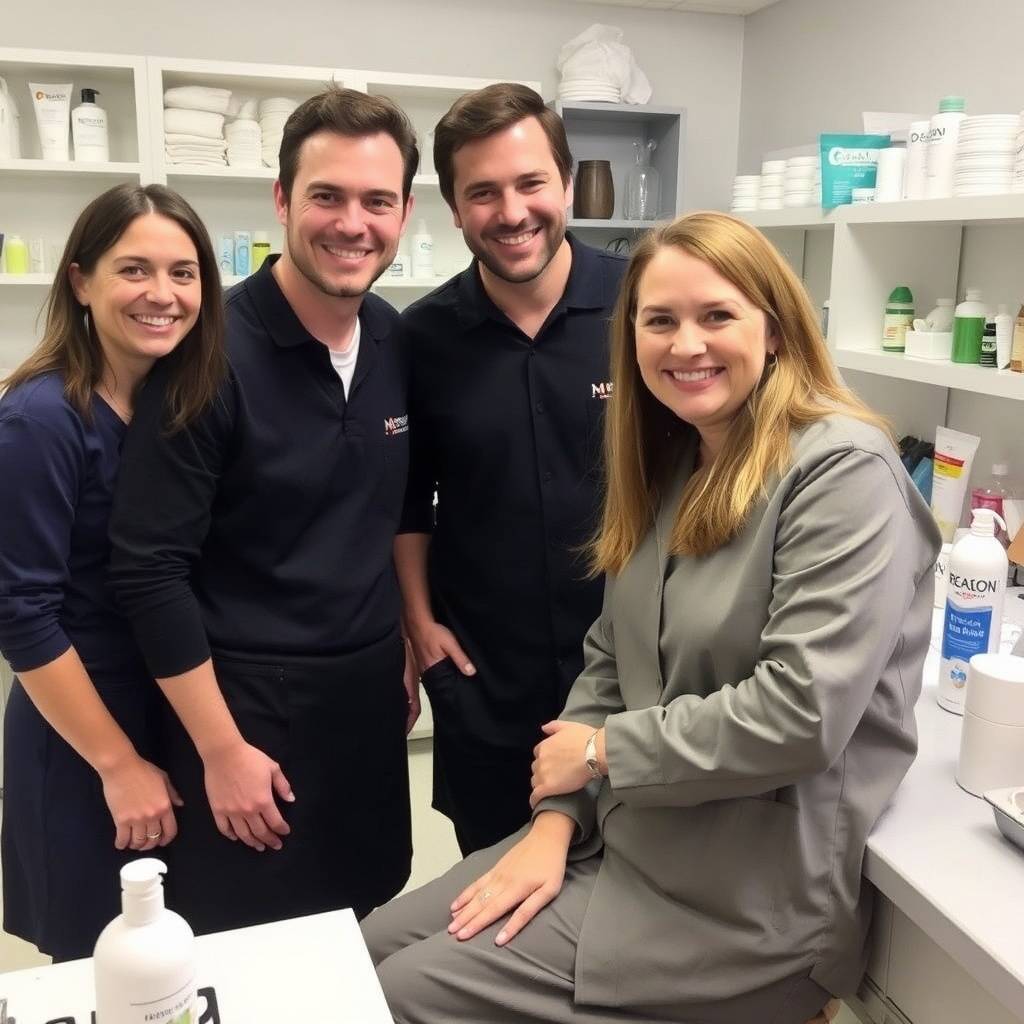
Cost Comparison: In-House vs Outsourced R&D
| Cost Factor | In-House R&D | Outsourced Formulation |
|---|---|---|
| Initial setup | High (equipment, lab fit-out, compliance) | None |
| Personnel | Full-time chemist(s) | Pay per project |
| Speed | Slower startup | Faster turnaround |
| Flexibility | High control, but slower scaling | Scalable based on project size |
| Cost predictability | Fixed salaries and overheads | Clear project-based pricing |
| Expertise | Depends on your hire | Access to experienced formulation chemists |
| Risk | Higher due to inexperience | Lower—handled by professionals |
For most small to mid-sized businesses, outsourcing can reduce R&D costs by 50–70%, while delivering higher technical quality and faster results.
When to Choose In-House R&D
In-house R&D becomes practical when:
- You have stable sales and recurring projects
- You need frequent product iteration or confidential innovation
- You can afford long-term investment in lab infrastructure
- You want to protect proprietary technology fully
If your company has reached this stage, building internal capability can make sense strategically.
When to Choose Outsourced Formulation
Outsourced R&D is ideal if you are:
- A startup or growing brand entering the market
- Launching a new product line with limited budget
- Unsure which formula concept will work best
- Needing to reformulate an existing product to improve quality or reduce cost
- Expanding into new categories or compliance zones
Outsourcing gives you technical strength and flexibility without the financial risk of setting up your own lab.
How to Work Effectively with an Outsourced Formulation Partner
- Define your product goals clearly – target performance, look, texture, or use environment.
- Share as much detail as possible – reference samples, ingredient preferences, or known issues.
- Request clear documentation – ingredient list, process steps, and QC specifications.
- Keep communication open – feedback loops speed up formulation optimisation.
- Start small – begin with one or two key products before scaling up.
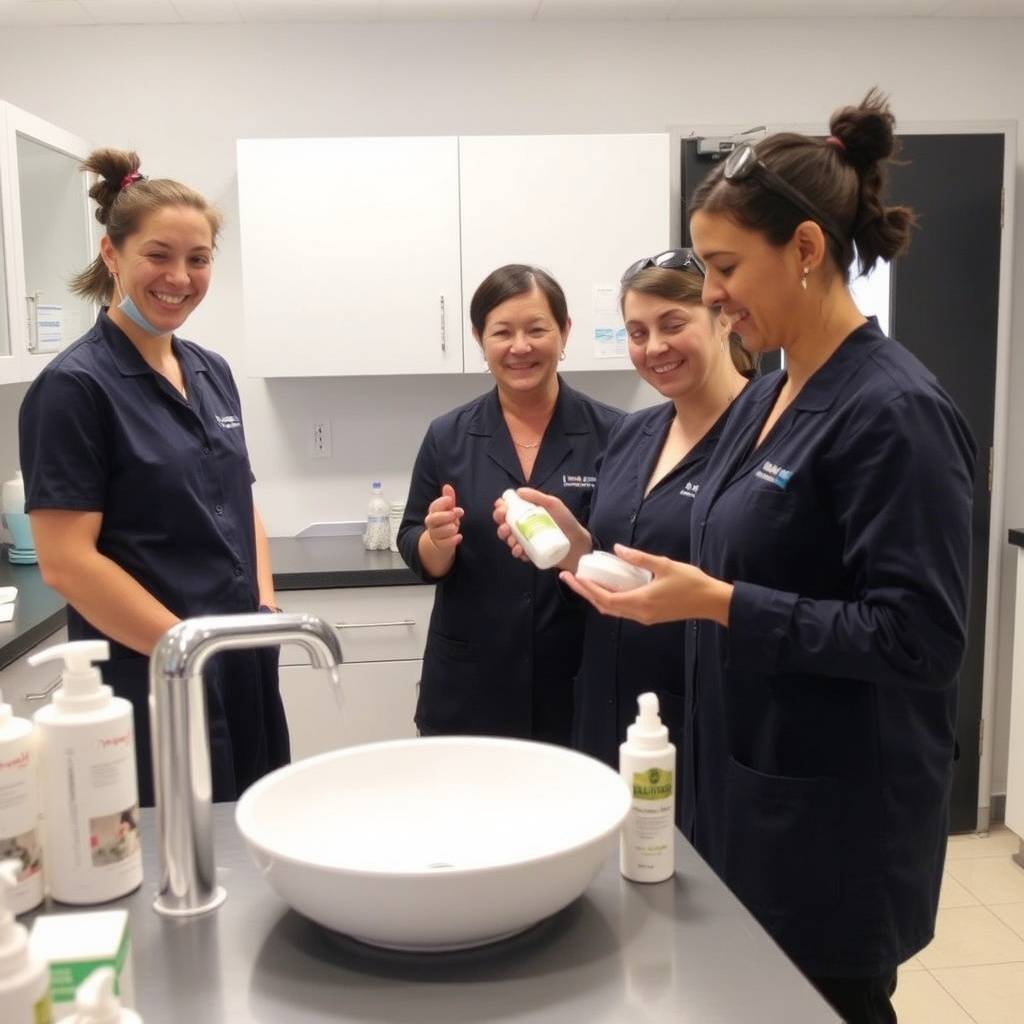
A professional formulation partner can guide you through every step, from concept validation to production-ready formulas.
Final Thoughts
For small and medium-sized manufacturers, outsourced formulation services are a powerful shortcut to professional R&D. You gain access to experienced chemists, proven testing methods, and regulatory insights—without the cost and complexity of running your own lab.
While in-house R&D offers full control, it also demands heavy investment and expertise. For most growing brands, especially those in cosmetics, cleaning, coatings, or specialty chemicals, outsourcing formulation is the smartest and fastest way to move from idea to market-ready product.
No matter which model you choose, your formulation is still the heart of your product. Investing in sound formulation work ensures your product performs reliably, meets compliance standards, and strengthens your brand’s reputation in any market.