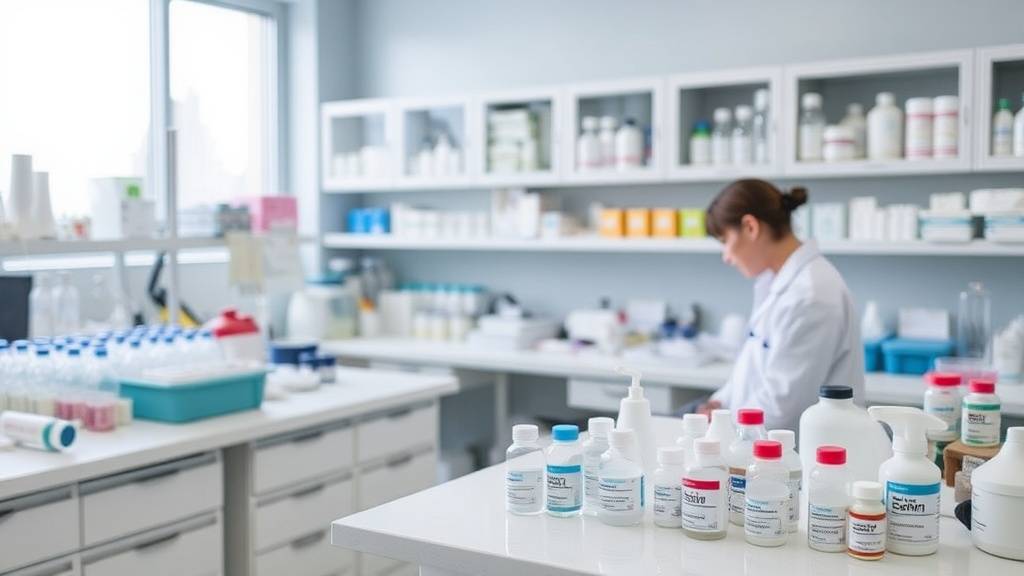
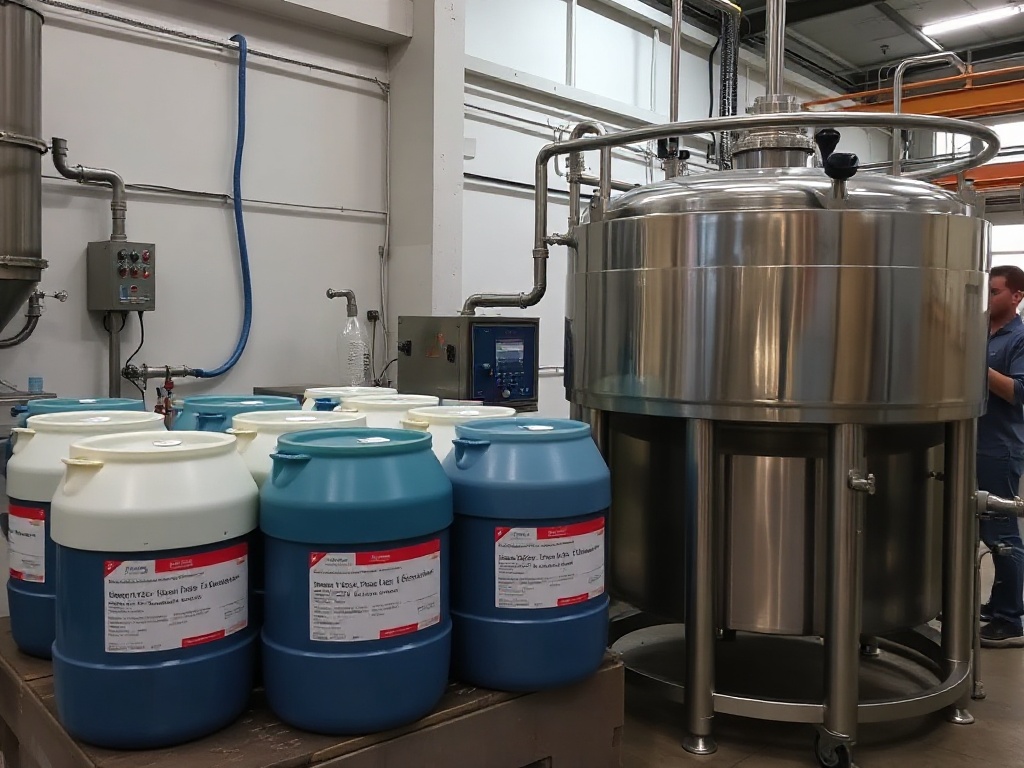
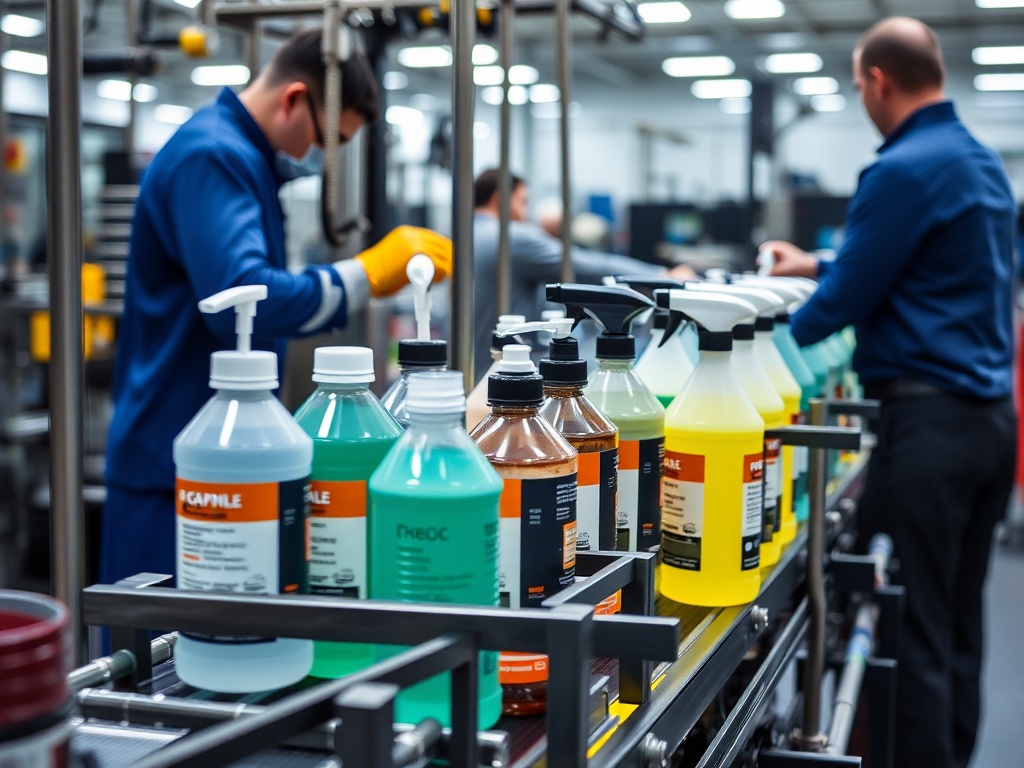
The Australian chemical manufacturing landscape is changing rapidly. Local demand for sustainable, high-performance, and compliant chemical products is growing across industries—from cleaning and coatings to personal care and agricultural solutions.
For small and medium-sized enterprises (SMEs), this presents both an opportunity and a challenge: how to innovate effectively without exceeding limited budgets or risking compliance issues.
This article explores practical, low-risk strategies that Australian SMEs can use to develop competitive chemical products—without needing a full-scale R&D department.

1. Start With a Clear Market Insight
Many SMEs begin product development by focusing on the formula itself, but true innovation starts with understanding market needs.
Ask:
- What specific performance gap exists in your industry?
- Are customers looking for greener ingredients, better stability, or cost-effective replacements?
- What are the unmet needs your competitors haven’t solved yet?
Gathering this data through customer feedback, distributor conversations, or industry reports helps ensure every R&D effort has commercial value.
When you align technical innovation with real demand, you reduce the risk of wasted resources and ensure your new product finds a solid market position.

2. Innovate Through Analytical Insights, Not Guesswork
Innovation doesn’t always mean reinventing the wheel. Often, it’s about understanding what makes products effective and using analytical data to build something uniquely your own.
Modern analytical testing—such as formulation profiling, stability testing, and performance comparison—allows SMEs to learn from existing benchmarks and identify improvement opportunities.
Independent service providers like Labsure offer analytical and formulation analysis services to help companies gather this essential data. By evaluating component interactions, physical properties, and performance behavior, you can make evidence-based improvements without infringing on anyone’s intellectual property.
This approach encourages informed innovation, not imitation—helping SMEs create reliable, compliant, and original chemical products.
3. Focus on Safety, Compliance, and Documentation
No product can succeed in the Australian market without meeting regulatory standards.
Before full-scale production, ensure your formulation complies with:
- AICIS (Australian Industrial Chemicals Introduction Scheme) registration rules,
- GHS classification and labelling, and
- Workplace and environmental safety guidelines.
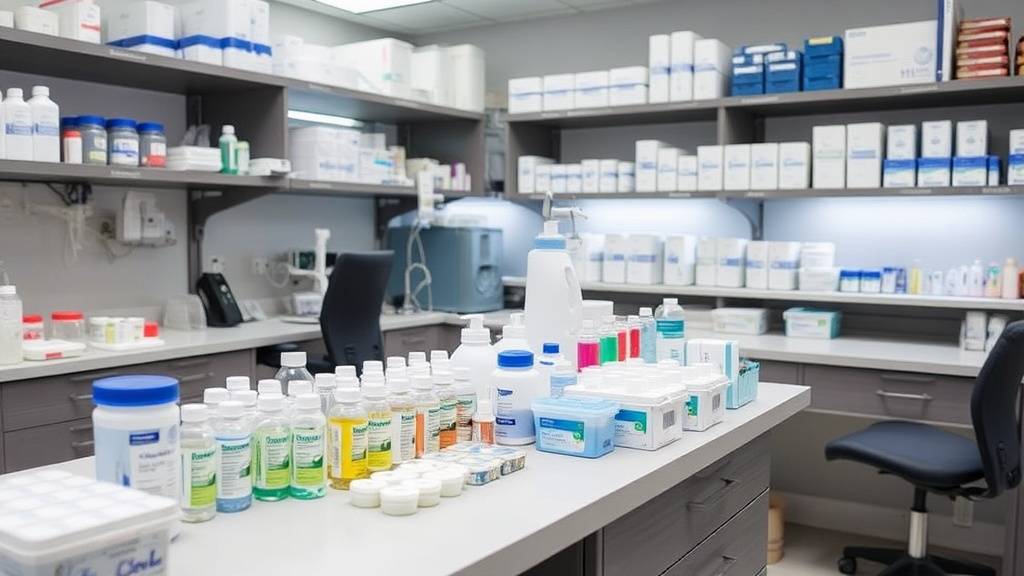
Keeping clear technical documentation—including Safety Data Sheets (SDS), quality control results, and analytical summaries—also helps protect your business from future liability.
SMEs can seek support from testing partners or consultants familiar with AICIS and related frameworks to streamline this process. The result is faster approval, fewer compliance risks, and stronger credibility when dealing with clients or distributors.
4. Optimize Raw Materials for Performance and Cost
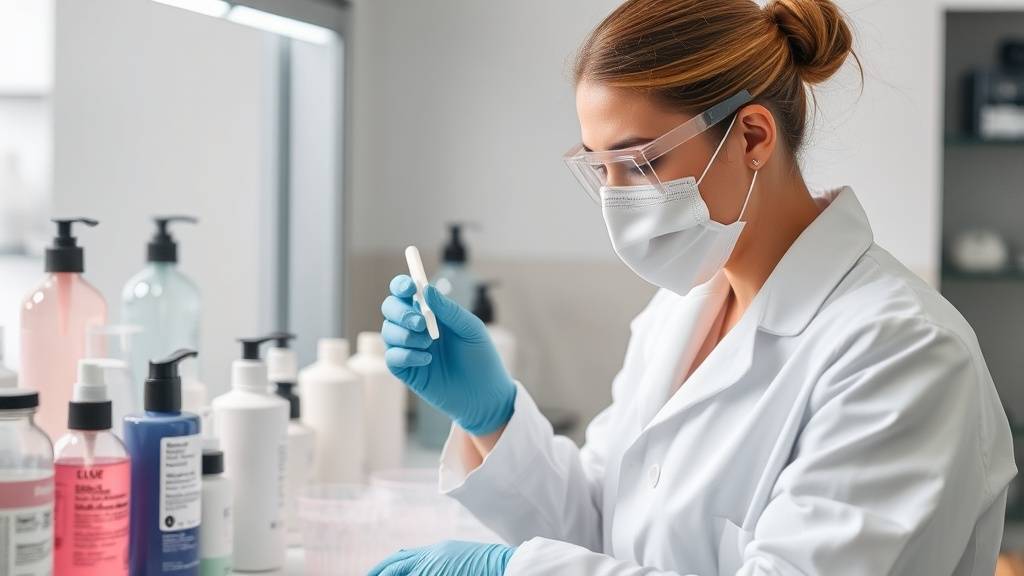
Innovation doesn’t always come from discovering a new molecule. Often, it’s about optimizing raw material combinations for better performance or sustainability.
Australian SMEs can experiment with:
- Replacing high-cost surfactants or solvents with eco-friendly alternatives.
- Improving emulsification or dispersion systems for better product stability.
- Adjusting pH and viscosity modifiers to enhance texture or performance.
- Exploring biodegradable ingredients that meet green certification standards.
External labs can help evaluate the effect of each change through targeted testing—saving SMEs from trial-and-error costs and helping products perform consistently at scale.
5. Use Scalable Testing and Pilot Production
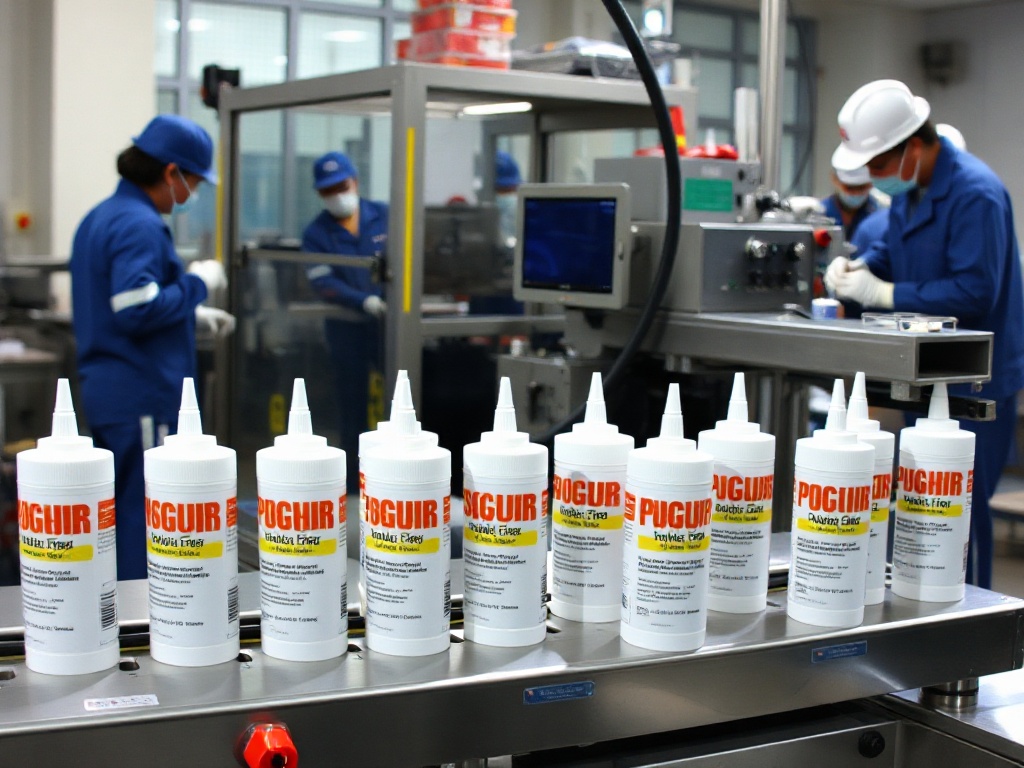
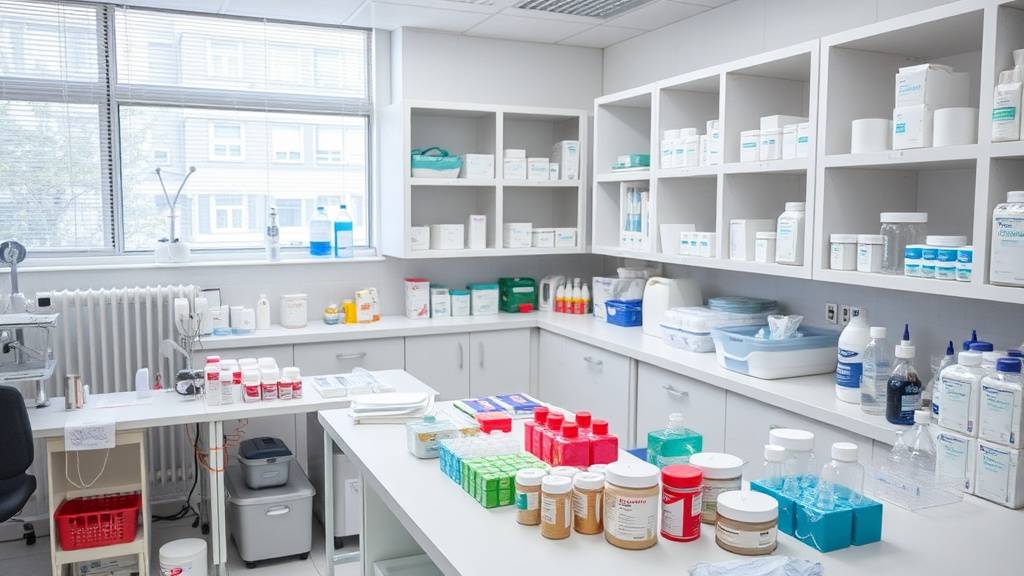
Testing on a small scale before full production is essential for managing risk. Pilot batches allow SMEs to validate product stability, shelf life, and performance under realistic conditions—without committing to expensive manufacturing runs.
Partnering with analytical service providers ensures that each test result translates into actionable formulation improvements. This not only strengthens the final product but also builds a foundation for reliable quality control once production begins.

6. Build a Culture of Continuous Improvement
Innovation is not a one-time event—it’s a habit.
Encourage your team to collect feedback from clients, track product performance, and revisit formulations regularly. Even small refinements can improve usability, safety, or cost-efficiency.
Australian SMEs that foster an ongoing improvement mindset often outperform competitors who rely on one-off product launches.
Outsourced R&D partnerships can also keep your business at the forefront of technology trends—such as sustainable raw materials, advanced surfactants, or emerging testing techniques—without requiring internal specialists.
7. Communicate Innovation to Build Trust
A technically strong product still needs clear communication. Use transparent, factual language to promote your innovation:
- Highlight verified performance improvements.
- Emphasize compliance and safety assurance.
- Share your sustainability efforts if relevant.
Australian customers—especially in B2B chemical supply—value trust and professionalism. Avoid exaggerated or unverifiable claims; focus instead on measurable benefits backed by analytical data. This not only strengthens your marketing but also minimizes legal risk.

8. Partner Smartly for Growth
Collaborating with external laboratories or R&D partners can significantly extend your capabilities.
Labsure, for instance, supports SMEs with chemical formulation analysis, performance testing, and product optimization. Such partnerships give small manufacturers access to scientific insight, technical instruments, and regulatory guidance—without the need for a full laboratory investment.
This model enables local chemical producers to remain agile, compliant, and competitive in a fast-changing market.

Conclusion: Compete Through Knowledge, Not Scale
In today’s Australian chemical industry, innovation isn’t limited to large corporations.
SMEs that combine market insight, data-driven testing, and responsible product development can create high-value formulations while controlling cost and risk.
By investing strategically in analytical support and continuous improvement, small chemical businesses can build products that stand out for quality, safety, and reliability—proof that true competitiveness starts with smart innovation, not expensive infrastructure.