For many small and medium-sized chemical manufacturers in Australia, innovation can feel like a luxury reserved for large corporations with million-dollar R&D facilities. But in today’s fast-moving market, standing still is no longer an option.
Customers are demanding safer, more sustainable, and better-performing products. Competitors are constantly improving their formulations. And new regulations are reshaping how chemical products must be tested, labelled, and introduced to the market.
The good news? You don’t need a full in-house laboratory to innovate. With the right strategy and support, even small manufacturers can develop, improve, and validate new products — safely, efficiently, and within budget.
The Innovation Barrier for Small Manufacturers
For many SMEs, the main barrier to innovation isn’t a lack of ideas — it’s a lack of infrastructure.
Building and maintaining a laboratory requires significant investment:
- Specialized equipment and analytical instruments.
- Skilled chemists and lab technicians.
- Ongoing costs for reagents, calibration, and compliance.
For a small cleaning, cosmetic, or industrial product manufacturer, these costs simply don’t make sense — especially if new product development happens only a few times a year.
This is why more and more small manufacturers are turning to external technical partners to access the expertise and analytical tools they need — without carrying the full cost of a permanent R&D facility.
Outsourced R&D: A Smarter Path to Innovation
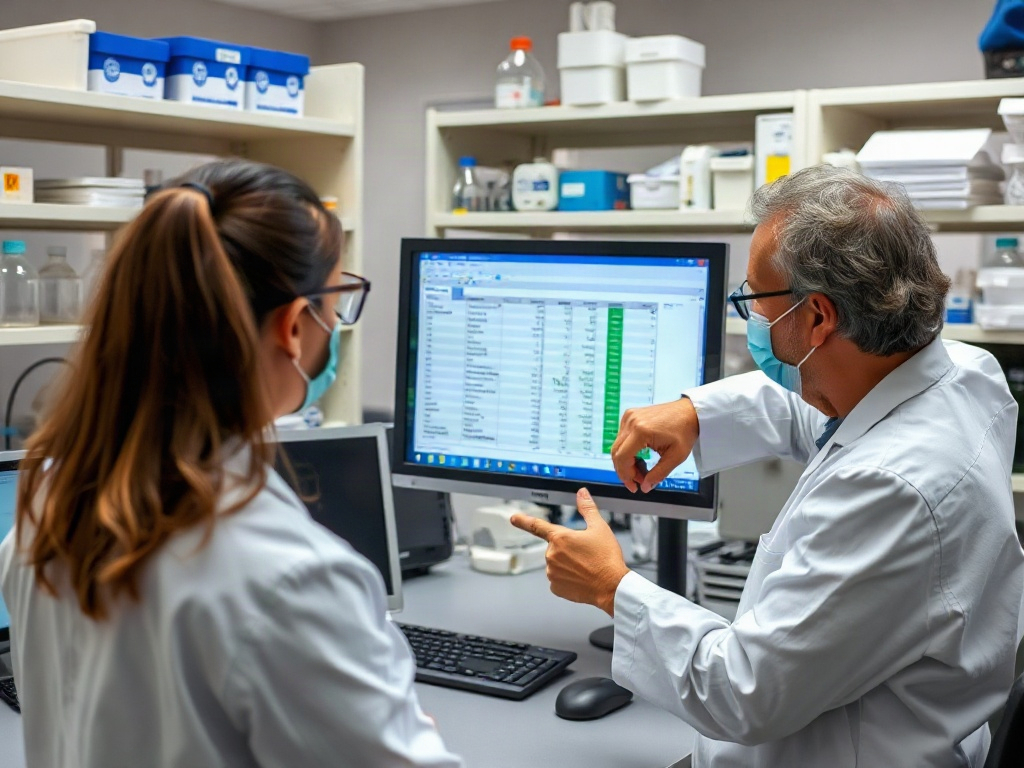
Working with a trusted R&D or formulation analysis provider allows small manufacturers to test and improve their products through independent, data-driven analysis.
Some of the key benefits include:
1. Access to advanced equipment and expertise
Instead of purchasing expensive instruments, you can access GC-MS, FTIR, or HPLC analytical tools and experienced chemists through a professional testing partner. This helps you understand your product’s composition, stability, and performance — all without major capital expenses.
2. Objective and confidential evaluation
External labs offer unbiased technical insight. Whether you need to check ingredient compatibility, optimize performance, or troubleshoot a stability issue, a qualified testing team can provide confidential results that guide smarter decisions without compromising intellectual property.
3. Faster product validation
Many small businesses delay innovation because testing takes too long or feels too complex. By outsourcing technical evaluation, you can validate product safety and performance quickly, helping you move from idea to market faster — while staying compliant with AICIS and other Australian regulations.
4. Lower risk of costly mistakes
Unverified formulations can fail during production or market use, leading to waste, complaints, or recalls. Early analytical testing helps identify potential issues — like phase separation, pH drift, or raw material incompatibility — before they become expensive problems.
Common Innovation Challenges and How to Overcome Them
Here are some of the most common R&D pain points faced by small chemical companies — and practical ways to address them.
🧴 Challenge 1: “We don’t know what’s in the competitor’s product.”
Understanding market benchmarks is important, but copying them is not the solution. Instead, you can request a analysis to learn about the key ingredients and performance characteristics of a competitor’s product — legally and safely.
This helps you identify what differentiates your own formula and what can be improved, without infringing on intellectual property.
⚙️ Challenge 2: “Our product doesn’t perform consistently.”
Performance issues often arise from small variations in raw materials or formulation ratios. Through composition verification and stability testing, you can pinpoint what’s changing and adjust accordingly. These tests can also help verify supplier quality or batch-to-batch consistency.
🌱 Challenge 3: “We want to develop a greener version, but we don’t know where to start.”
Sustainability is a growing market driver, but switching to “eco-friendly” materials can be tricky. Professional labs can help compare biodegradability, VOC levels, or environmental compatibility between ingredient options — helping you market your product responsibly without making unverified environmental claims.
📦 Challenge 4: “We’re ready to launch, but we’re not sure about compliance.”
Before introducing a new product, every manufacturer should ensure it meets AICIS registration, GHS labelling, and SDS documentation requirements.
Partnering with a lab familiar with Australian chemical regulations can help you prepare compliant documentation and avoid delays or penalties.

Innovation Without the Infrastructure
Here’s a simple roadmap that many successful small manufacturers follow:
- Start with a concept.
Define what you want to improve — cleaning efficiency, stability, fragrance, or eco-profile. - Test existing benchmarks.
Use analytical testing to understand current market standards and set measurable goals. - Develop and refine a prototype.
Create a small batch and have it evaluated for performance and stability. - Validate and comply.
Ensure your product meets AICIS and GHS requirements before scaling up. - Document and scale.
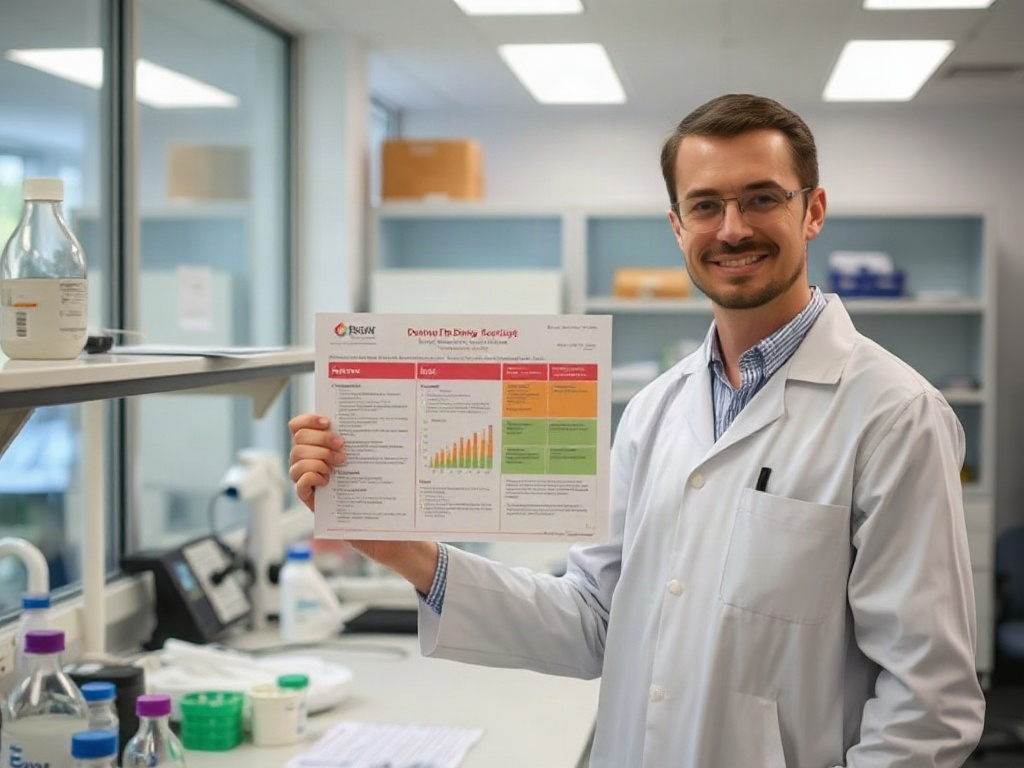
Keep detailed records of lab reports and test data. This supports future improvements and protects your brand’s credibility.
Following this process keeps innovation structured, affordable, and legally safe, even for smaller manufacturers.

How Labsure Supports Small Manufacturers
At Labsure, we understand the challenges that small and medium-sized chemical manufacturers face.
You want to innovate — but safely, affordably, and without unnecessary risk.
Our technical team provides:
- Formulation analysis and performance testing
Identify ingredient composition and performance benchmarks. - composition analysis (legally and confidentially)
Understand product structure to guide safe differentiation. - Formula optimization
Improve cost-efficiency, stability, or product performance. - Regulatory and documentation support
Prepare GHS-compliant SDS and product data for AICIS introduction.
By combining advanced analytical tools with practical industry experience, Labsure helps you bring better products to market — without building an expensive lab of your own.
Innovation Is for Everyone — Not Just Big Players
Innovation is no longer about who has the biggest lab.
It’s about who makes smarter, data-driven decisions.
With the right partners and processes, even the smallest manufacturer can:
- Improve existing products,
- Launch new formulations safely,
- And meet market demand confidently.
You don’t need a full lab to innovate — you just need the right expertise behind you.