Introduction: Making R&D More Accessible for Australian Businesses
When businesses consider investing in research and development (R&D), laboratory testing or formulation assessment can seem costly. Many companies hesitate because they believe quality R&D demands large budgets and long timelines.
But in Australia, generous government tax incentives can offset a significant portion of these costs — making innovation more affordable and achievable for small to medium enterprises.
How Much Does R&D Actually Cost After Incentives?
Understanding the Financial Impact
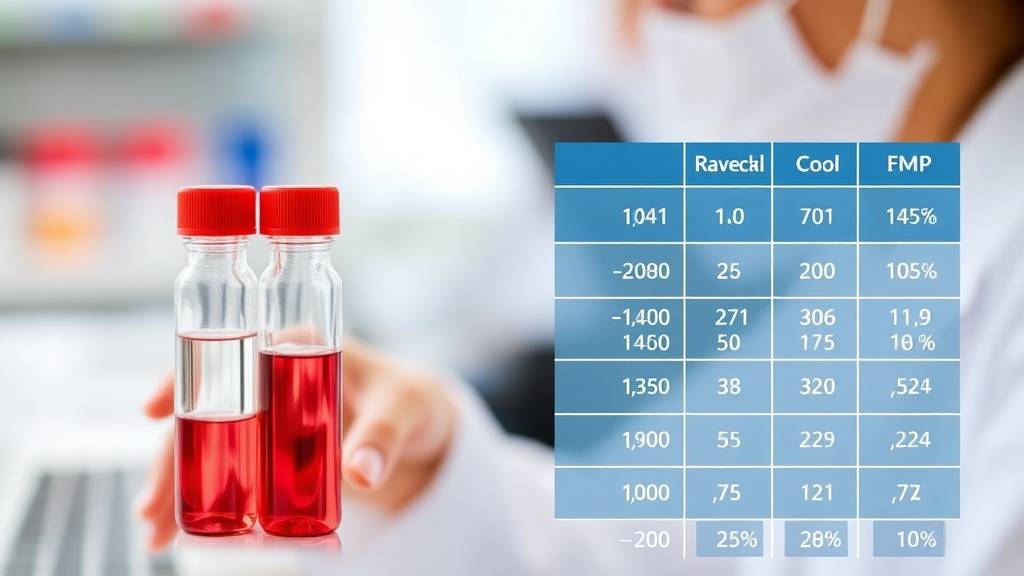
The perception that R&D is overly expensive often discourages companies from taking action. However, with the available incentives, the net cost of undertaking R&D work can be substantially reduced.
For example: Initial R&D spend $100,000 -> tax offset ~43.5% -> net cost ~$56,500.
Eligibility Snapshot
Australian businesses engaging in eligible R&D activities — including novel formulation development, advanced material testing or technical process improvements — may claim tax offsets via the R&D Tax Incentive administered by AusIndustry and the Australian Taxation Office (ATO).
Key Eligibility Requirements
- Eligible Australian company subject to income tax.
- Minimum R&D expenditure (currently AUD 20,000 in a year) applies.
- Activities must address technical or scientific uncertainty, involve systematic investigation and aim to generate new knowledge or improved capability.
- Applicable businesses often include formulas for personal care, cleaning solutions, coatings, agriculture, food innovation, and materials manufacturing.
✅ Note: Labsure provides analytical and technical support services that can contribute to eligible R&D documentation. However, companies should seek independent tax and IP advice to confirm eligibility and ensure compliance.

How Technical Services Such as Laboratory Analysis Support R&D
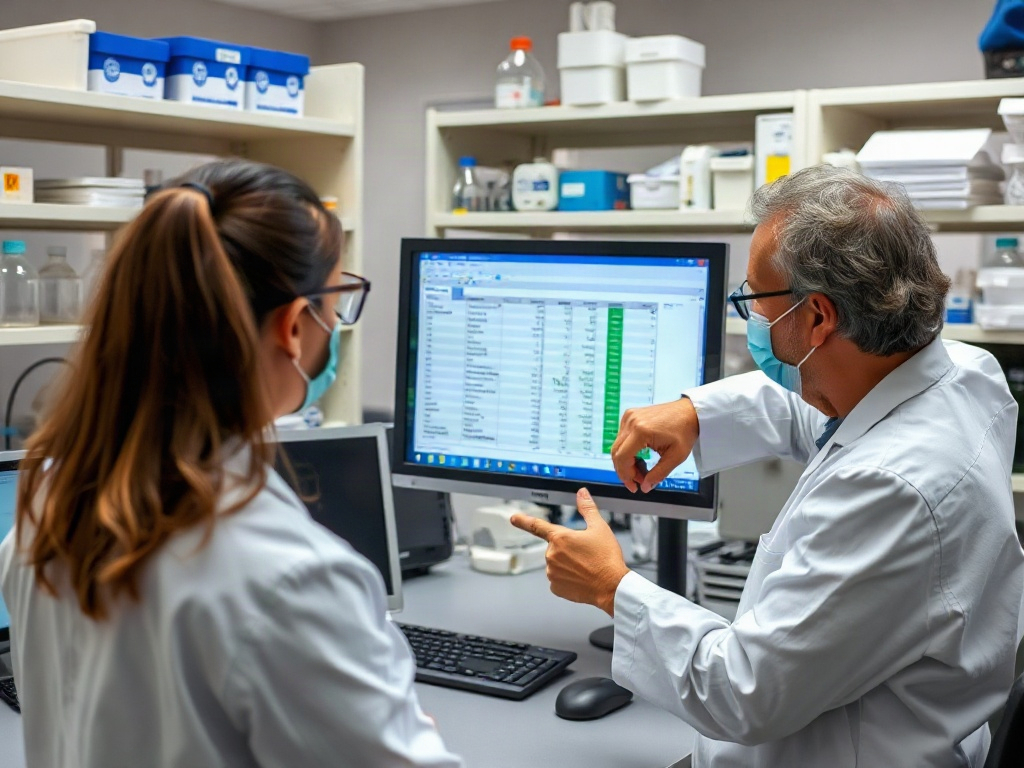
Laboratory-based formulation and materials analysis services play a key role in supporting R&D projects by:
- Characterising ingredient compositions and performance characteristics.
- Identifying technical opportunities for improvement (e.g., stability, sourcing, process efficiency).
- Generating detailed documentation to satisfy R&D tax audit requirements (trial records, testing logs, analytical reports).
These services are supporting R&D activities, not a substitute for definition of core R&D. For maximum confidence, businesses should integrate laboratory data into a broader innovation project addressing actual technical uncertainty.
Making the Most of Your Incentives
- Begin project documentation early: log hypotheses, uncertainties, test plans and actual experiments.
- Select service providers who understand R&D tax documentation requirements and can provide detailed methodology and reporting.
- Differentiate R&D from routine operational tasks: e.g., routine manufacturing is typically not eligible, whereas systematic investigation of new formulations is.
- Consider layering federal R&D tax offsets with applicable state or territory innovation grants to further reduce net cost
Conclusion
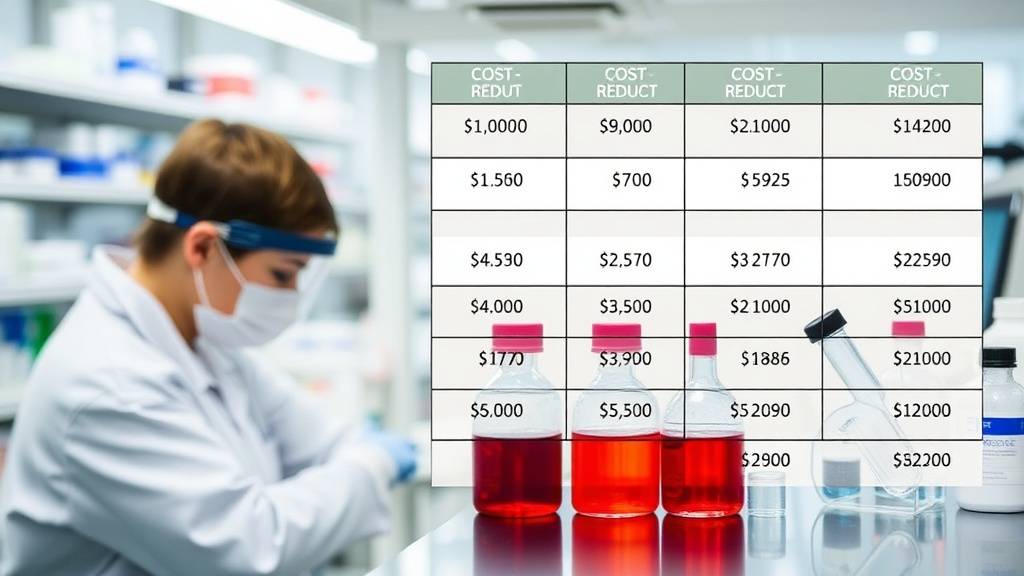
R&D investment does not need to remain out of reach for Australian SMEs and mid-sized enterprises. With proper planning, the support of specialised technical services and a well-documented innovation approach, it’s possible to accelerate development, reduce financial risk and build stronger product capability.
All information provided is for general purposes only and should not be construed as tax or legal advice. Always consult a qualified tax advisor or R&D specialist to assess your specific eligibility and compliance obligations.